Why do phorid flies breed in the home?
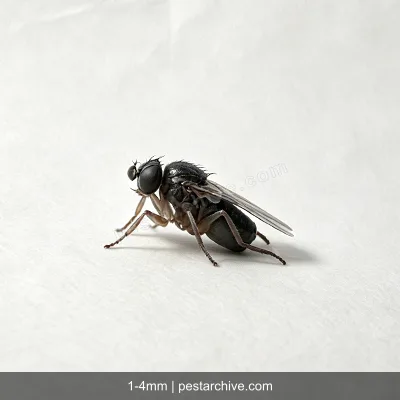
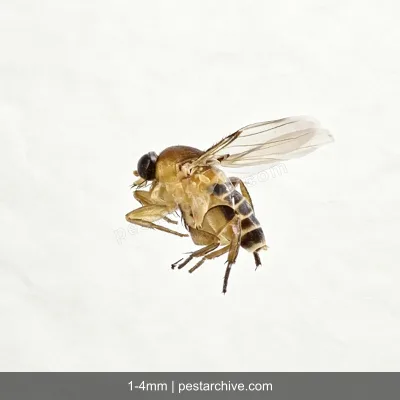
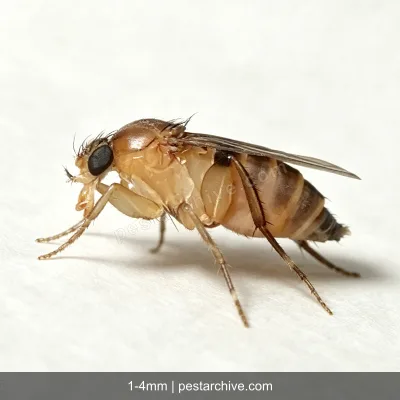
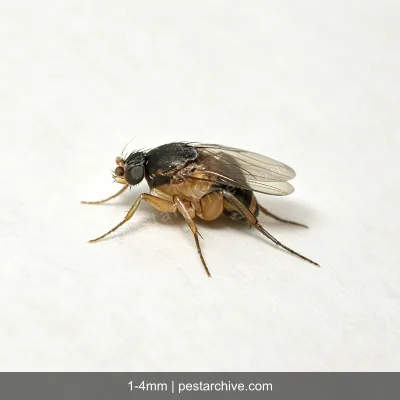
Why do phorid flies breed in the home?
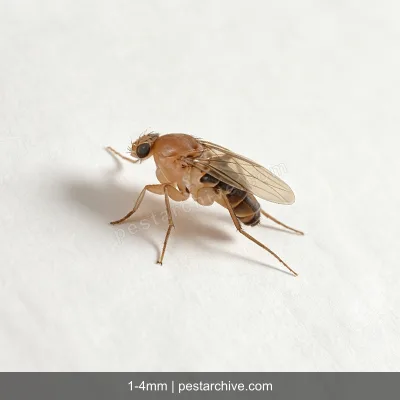
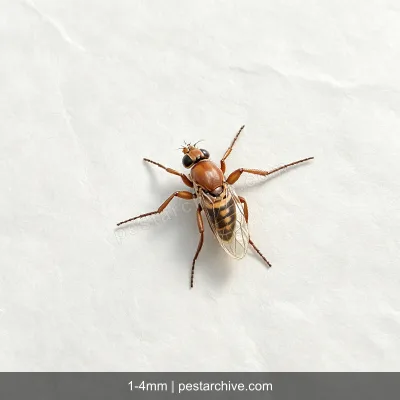
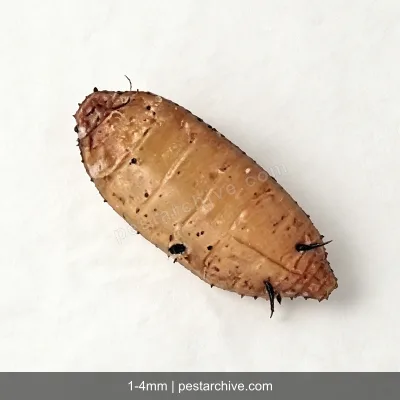
The root cause of phorid fly breeding is the presence of decaying organic matter and damp conditions in the home. Adult phorid flies lay eggs on moist organic matter; larvae hatch and feed on site, completing a generation in about 7-10 days.
Most common breeding sources
- Kitchen sink drains — this is the number one breeding site for phorid flies. Food debris and grease accumulate in the drain trap, forming a layer of organic sludge where phorid fly larvae grow.
- Kitchen garbage bins — in summer, leftovers, fruit peels, and vegetable leaves rot in the bin, emitting fermentation odors that attract phorid flies to lay eggs.
- Floor drains and drainage channels — standing water and hair accumulations near shower drains and washing machine drain hoses are also excellent breeding sites.
- Pet feces — in households with pets, if litter boxes or dog toilets are not cleaned promptly, the organic matter in feces attracts phorid flies.
- Potted plant soil — pots with uncomposted organic fertilizer, or those overwatered with persistently wet soil and mold on the surface, may also breed phorid flies.
- Refrigerator drip trays — often overlooked; if food debris has dripped into the tray at the bottom of the refrigerator, it may also become a breeding site.
How to pinpoint the source
Place several sticky traps around the house and observe which direction the phorid flies mainly come from. The most common case is the kitchen sink — open the cabinet door and check if there are small phorid flies flying around the bottom of the sink cabinet. If so, the drain is the problem.
Key to control
After finding the source, cleaning is the first step: use a pipe brush or drain cleaner to clean the drain, cover garbage bins with lids, and flush floor drains with boiling water regularly. After cleaning, apply dinotefuran-containing household insecticide as a residual spray in the surrounding areas for enhanced effectiveness.