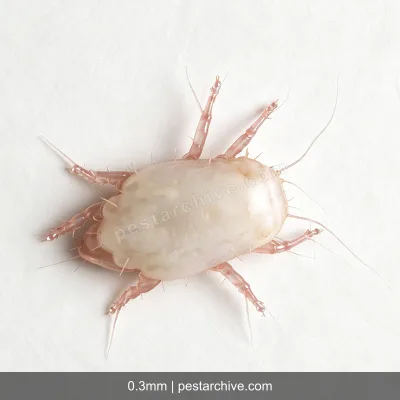
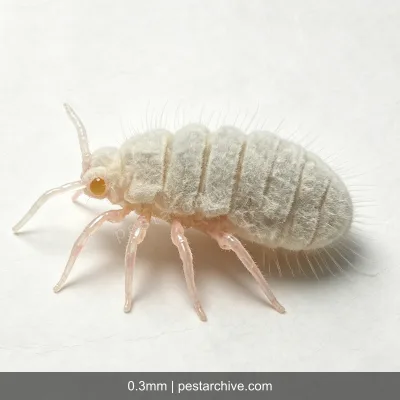
Flour Mites Control & Removal Guide
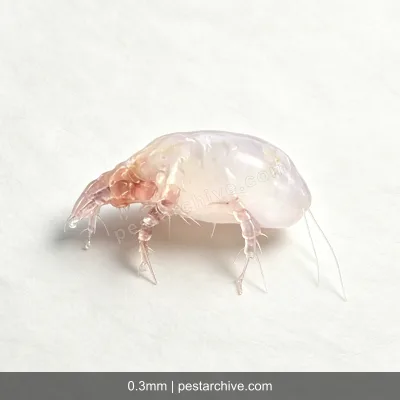
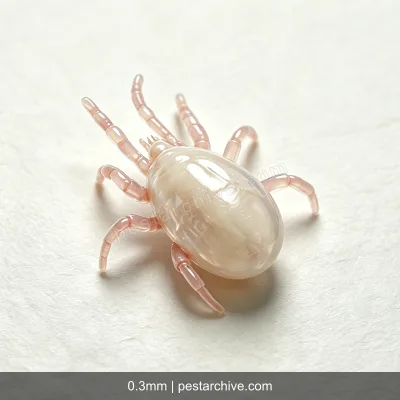
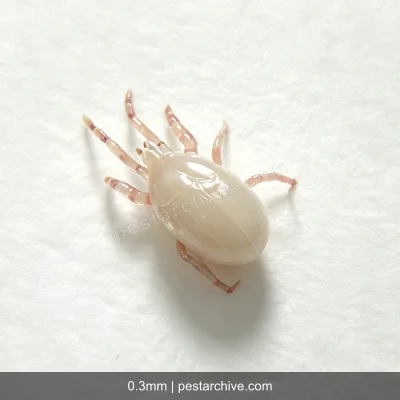
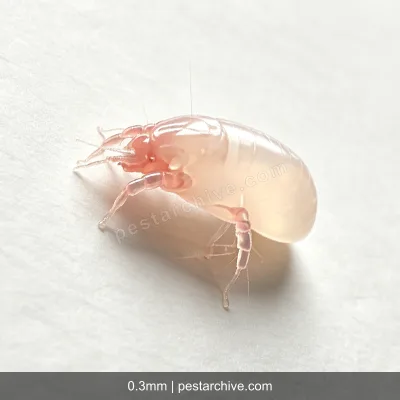
(Storage mites, Mould mites, Cheese mites)*Acarus siro* / *Tyrophagus putrescentiae*
How They Get In
- Grain and Dry Goods Import: Purchased bulk or bagged rice, flour, beans, nuts, dried mushrooms, Chinese herbs, and pet food may already carry mites and eggs. At 0.1-0.3mm, mites are invisible to the naked eye — seemingly normal-looking grain stored for weeks can suddenly show large mite populations. The more complex the sourcing channels (farmers' markets, bulk bins), the higher the probability of mite introduction.;
- Contaminated Packaging Materials: Cardboard boxes and woven bags may have contacted mite sources in warehouses, entering the home with online shopping deliveries. Mites hide in packaging folds and seams and disperse indoors when items are handled.;
- Humidity-Driven Growth: Even if initial introduction is minimal, flour mites proliferate rapidly when indoor conditions are favorable (24-30°C, RH above 60%). Rainy seasons and poorly ventilated kitchen cabinets are classic flour mite outbreak environments.;
- Second-hand Furniture: Purchasing used wardrobes, storage cabinets, and dry goods shelves from environments with flour mite problems can introduce mites and eggs hidden in furniture crevices and corners.
How to Get Rid of Them
- Grain Inspection and Disposal: Flour mites primarily breed in grain and dry goods — process contaminated food before spraying. Carefully inspect all rice, flour, beans, nuts, dried mushrooms, Chinese herbs, and bulk dry goods. If mites are found, seal and discard heavily contaminated items (do not empty into indoor trash, which enables spread). Lightly contaminated grain can be sun-dried for 4-6 hours or frozen at -18°C for 48 hours to kill mites before screening and use. Transfer all uncontaminated grain and dry goods into sealed glass or plastic containers to cut off the mite food source and dispersal routes.;
- Environmental Cleanup: Empty dry goods cabinets and storage cabinets. Vacuum all interior corners and crevices to remove food debris and dust. Wipe cabinet interiors and shelves with a damp cloth; let dry completely before spraying. Clean dust from clothing storage areas and mattress/sofa surfaces. Close doors and windows. Remove pets, children, food, and dishes. Shake the spray bottle well.;
- Key Treatment Zones: Dry goods cabinet interiors and seams — the highest mite concentration; after spraying, ventilate thoroughly before placing sealed food back. Clothing cabinet interiors — long-stored clothes and blankets may harbor mites; spray interior seams evenly. Baseboards and floor cracks — landing spots after mites drift with dust. Under and behind mattresses and sofas — areas where dust and organic debris accumulate. Curtain folds — heavy curtains accumulate dust that can sustain mites.;
- Application Method: Hold sprayer 20-30cm from surfaces and spray evenly. Spray dry goods cabinet interiors along corners and shelf seams until lightly moist. Lightly spray clothing cabinet interiors; let dry completely before returning items. Spray along baseboards in continuous lines, ensuring penetration. Flip and spray under mattresses and sofas. Flat surfaces need only a light pass.;
- Post-Treatment and Humidity Control: Keep the area closed for 1-2 hours, ventilate for 30+ minutes before re-entry. Avoid spraying on grain, dishes, and food. The key to flour mite prevention is humidity control — maintain indoor RH below 55% (using dehumidifier or AC dehumidification mode); mites die from desiccation and cannot reproduce. Store all grain and dry goods in sealed containers; buy in small quantities to reduce storage time. Inspect dry goods cabinets monthly; address any issues promptly with cleaning and re-spraying.
Prevention & Follow-Up
As soon as you bring grains, flour, and dry goods home, transfer them into airtight glass jars or sealed storage bags. Keep the storage area dry and well-ventilated — maintain relative humidity below 55% by using a dehumidifier or desiccant packs. Buy in smaller quantities more often so nothing sits in storage too long, and check your dry goods regularly for signs of infestation. For newly purchased bulk grains, freeze them at -18°C (0°F) for 48 hours before storing — this kills any eggs they may be carrying.