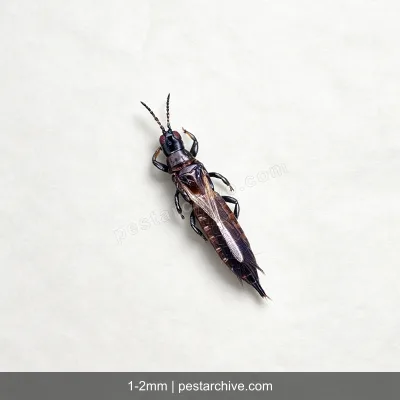
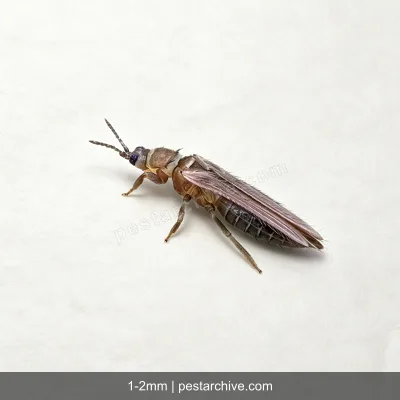
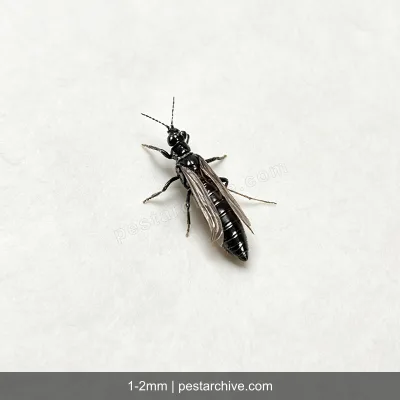
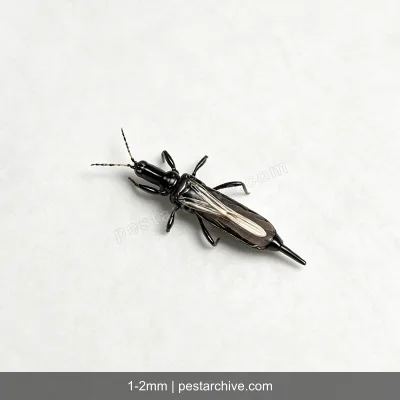
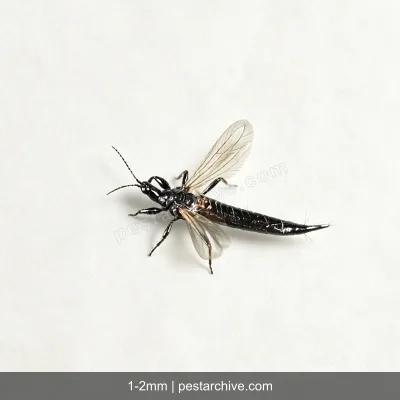
Thrips Control & Removal Guide
(Thunderflies, Western flower thrips, Harvest bugs)*Frankliniella occidentalis* / Thysanoptera
How They Get In
- New plants from nurseries carry thrips eggs laid inside leaf tissue — completely invisible.
- Adults at 1-2mm pass through standard screens, entering on wind through windows.
- Thrips from surrounding weeds and outdoor flowers spread to indoor plants.
- Moving plants between indoors and outdoors during season changes transfers thrips.
How to Get Rid of Them
- Pre-Treatment: Isolate heavily infested plants. Remove distorted buds and leaves — these have the highest thrips density. Rinse leaves with water to dislodge some thrips. Remove pets, children, and food.;
- Key Zones: New shoots and buds (highest thrips concentration), leaf undersides (especially vein junctions), pot soil surface (pupation site), pot rims and trays, balcony railings and windowsill gaps.;
- Application: Spray from below upward to coat leaf undersides. Get into curled new leaves. Lightly spray soil surface. Form barrier on balcony edges. Avoid midday sun.;
- Post-Treatment: Repeat at 5-7 day intervals for 2-3 treatments (eggs and pupae are resistant). Place blue sticky traps near plants (thrips are strongly attracted to blue).;
- Prevention: Quarantine new plants 2 weeks. Inspect new growth regularly. Increase humidity around plants — thrips breed fastest in hot, dry conditions.
Prevention & Follow-Up
Check the backs of tender buds and flower buds regularly for silvery-white speckling—this is an early sign of thrips damage. If you find thrips, isolate the affected plant right away and treat it. Place blue sticky traps near your pots to monitor and catch adult thrips. Keep your balcony ventilated and raise the humidity around your plants—thrips breed fastest in dry conditions. Keep new plants in quarantine for 2 weeks before adding them to your plant collection.