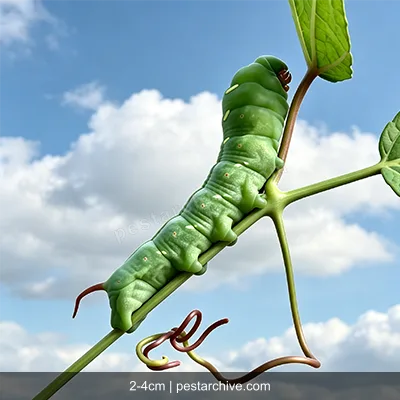
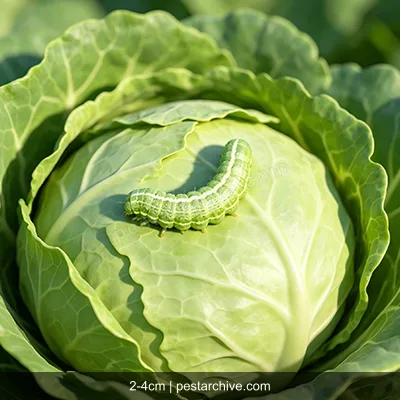
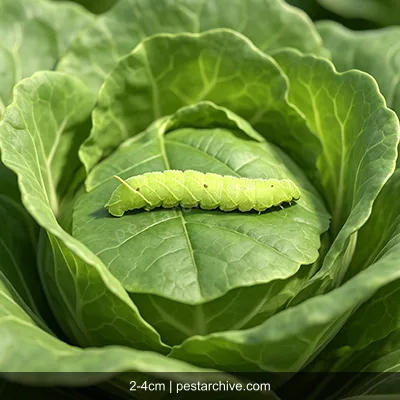
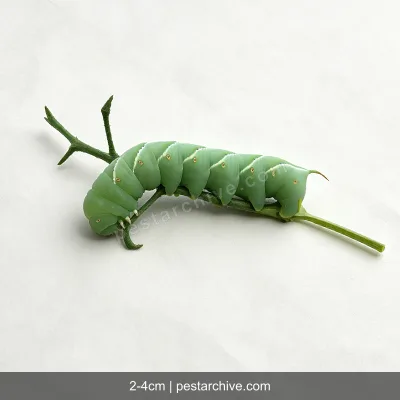
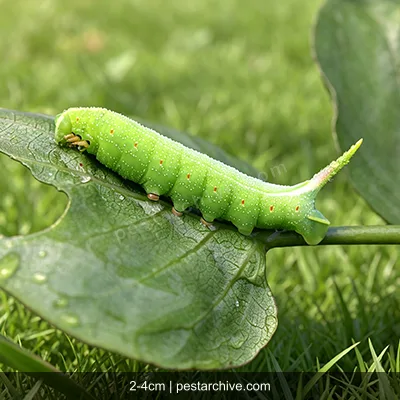
Cabbage Worms Control & Removal Guide
(Cabbage white caterpillar, Imported cabbage worm)*Pieris rapae*
How They Get In
- Adult butterflies and moths fly in at night through windows and lay eggs on potted plant leaves.
- Newly purchased plants carry eggs from nurseries — young larvae blend with leaf color.
- Balconies near landscaping face higher pressure from adult moths.
- Home-grown leafy vegetables on balconies naturally attract cabbage white butterflies.
How to Get Rid of Them
- Pre-Treatment: Hand-pick larvae (most effective). Inspect both leaf surfaces and whorls. Remove egg clusters from leaf undersides. Prune severely damaged leaves.;
- Key Zones: Entire plant leaves (both sides), leaf whorls and new shoots, ground around plants, windowsills and balcony railings.;
- Application: Spray the entire plant with fine mist from top to bottom. Both leaf surfaces must be covered. Avoid spraying on edible vegetables and fruits.;
- Post-Treatment: Let dry in ventilated area. Monitor for new feeding damage and remove larvae promptly. Remove egg clusters before they hatch.;
- Prevention: Install insect netting on balconies. Inspect leaf undersides regularly. A few larvae can be hand-picked without chemicals. Cover balcony vegetables with netting.
Prevention & Follow-Up
Check both sides of leaves regularly, especially the undersides—butterflies and moths lay their eggs there. Scrape off any egg clusters you find to stop caterpillars before they hatch. If you see caterpillars, pick them off by hand. Install fine insect netting on your balcony to block butterflies and moths from flying in and laying eggs. If you grow vegetables on your balcony, covering them with insect netting is a reliable safeguard. A few caterpillars are easy to manage by hand—you usually do not need to spray.