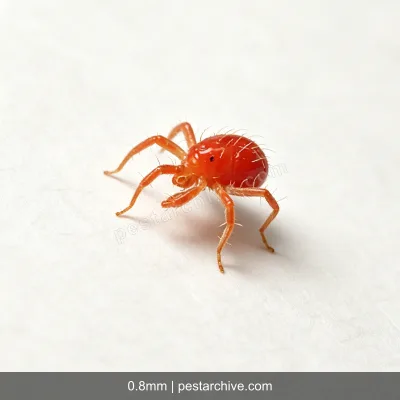
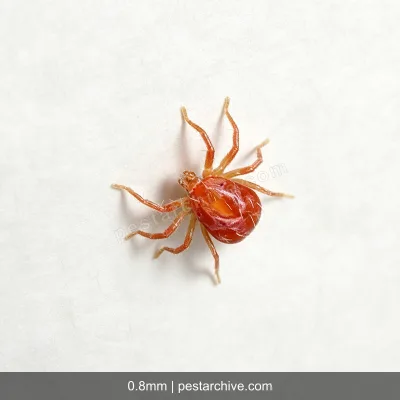
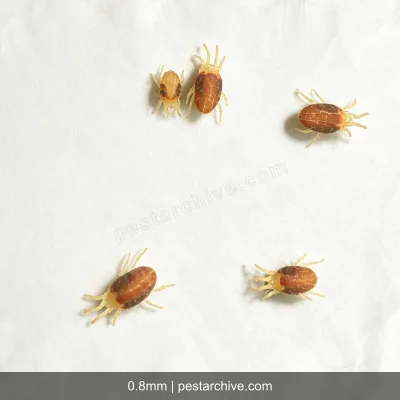
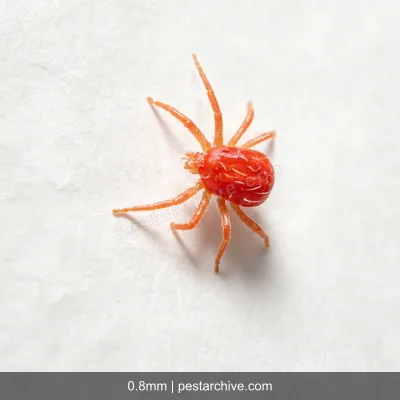
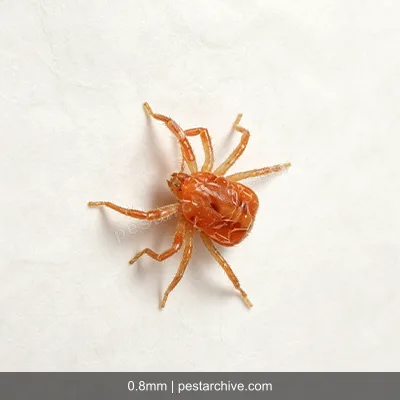
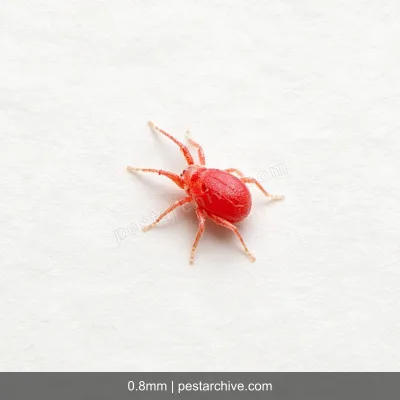
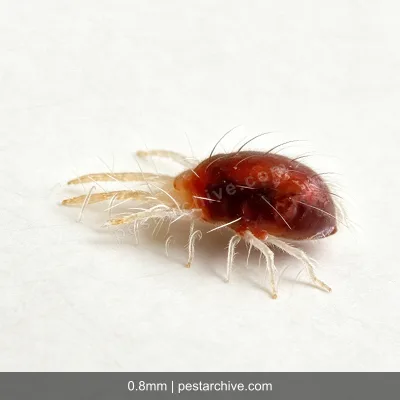
Spider Mites Control & Removal Guide
(Red spider mite, Bryobia mite, Clover mite)*Tetranychus urticae* / *Bryobia* spp.
How They Get In
- Balcony lawn turf, clover pots, and moss micro-landscapes carry mite eggs.
- Mites at 0.5-0.8mm drift in on wind and dust through windows.
- Mites from outdoor weeds and landscaping spread to balcony plants.
- Overcrowded plants with poor ventilation allow rapid mite spread.
How to Get Rid of Them
- Pre-Treatment: Isolate affected plants in cool, ventilated shade. Clear balcony weeds and dead leaves. Wipe leaf undersides with a damp cloth. Remove pets, children, and food.;
- Key Zones: Leaf undersides (core feeding site), lawn and moss surfaces, around pot soil, balcony floor gaps.;
- Application: Spray from below upward for full leaf underside coverage. Lightly spray lawn and moss until moist. Spray balcony floors along corners. Spray in early morning or evening when humidity is higher for best effect.;
- Post-Treatment: Let dry in ventilated area. Repeat at 5-7 day intervals (eggs resist single treatment). Increase leaf misting — higher humidity suppresses mite reproduction.;
- Prevention: Increase environmental humidity through leaf misting and humidifiers. Inspect leaf undersides regularly. Maintain plant spacing. Inspect balcony lawns and moss pots regularly.
Prevention & Follow-Up
Check the undersides of plant leaves regularly. If you notice tiny yellow-white speckles, inspect closely for mite activity. Isolate any infested plants right away to stop the mites from spreading. Increase humidity around your plants—misting the leaves or using a humidifier works well—since mites breed fastest in dry conditions. Water more frequently to keep the potting soil slightly moist. Space your plants apart to allow good airflow between them.