Do whiteflies transmit diseases?
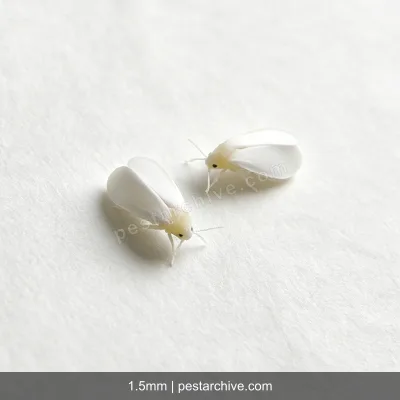
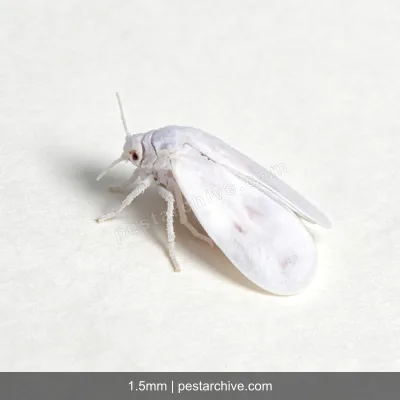
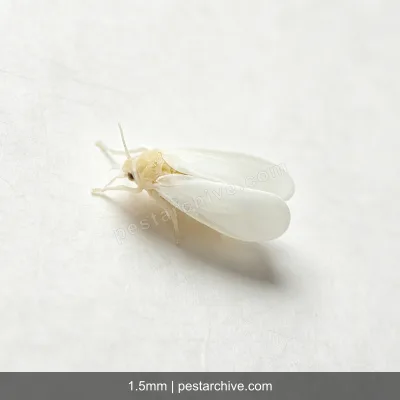
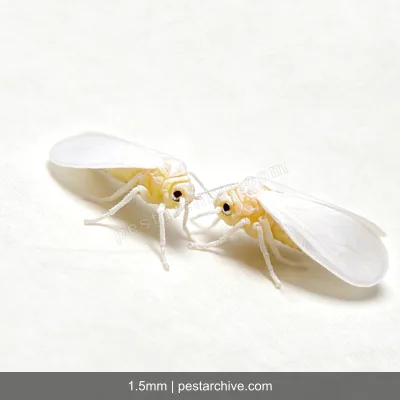
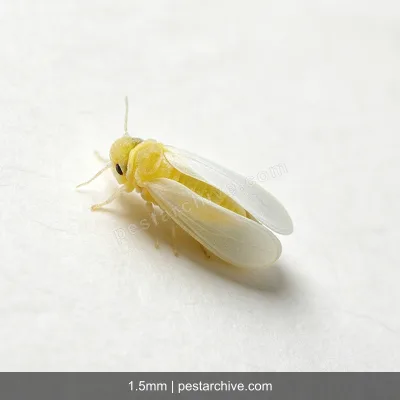
Do whiteflies transmit diseases?
Whiteflies not only directly damage plants; more importantly, they transmit various plant viruses, causing far greater indirect losses than direct sap feeding.
Major viruses transmitted
Whiteflies are important vectors for many plant viruses, the most notable being:
- Tomato yellow leaf curl virus (TYLCV) — the most famous virus transmitted by whiteflies. Infection causes tomato leaves to curl, turn yellow, and plants to become stunted; fruits are smaller or deformed, with significantly reduced yields. Many tomato-growing regions are plagued by this disease.
- Cucumber mosaic virus (CMV) — infection causes mosaic patterns, leaf crinkling, and malformation; fruits show mottling, affecting quality.
- Tobacco mosaic virus (TMV) — transmitted through whitefly feeding; infection causes alternating light and dark mosaic patterns on leaves and stunted growth.
- Sweet potato geminivirus — transmitted by whiteflies between sweet potato plants, causing leaf yellowing, curling, and poor growth.
Transmission method
Whiteflies transmit viruses in a "persistent circulative" manner — whiteflies acquire the virus within minutes of feeding on an infected plant; the virus circulates in the insect's body and reaches the salivary glands; subsequent feeding injects the virus into healthy plants via saliva. A single viruliferous whitefly can transmit the virus continuously for several weeks.
Whitefly-specific silverleaf damage
The saliva of whitefly nymphs is particularly toxic to some plants (especially cucurbits like squash and zucchini), causing silverleaf — a silvery-grey sheen on leaf surfaces, as if coated with a metallic film. Silverleaf reduces photosynthesis and fruit quality; this is a unique damage symptom of whiteflies.
Why controlling whiteflies means controlling viruses
Once plants are infected with viruses, there is no effective cure; prevention is the primary approach. Whiteflies are the main vectors of these viruses, so managing whiteflies effectively breaks the transmission chain. This is especially important in greenhouses, where whiteflies reproduce rapidly with overlapping generations.
Control strategy
- Physical control: hang yellow sticky traps to trap adults; install insect-proof nets (60 mesh or finer).
- Biological control: release natural enemies such as *Encarsia formosa*.
- Chemical control: use dinotefuran-containing household insecticide on plants, ensuring thorough coverage of leaf undersides.
- Cultural practices: crop rotation, weed removal, and using pest-free seedlings.