What Do Adult Inchworms (Loopers) Look Like?
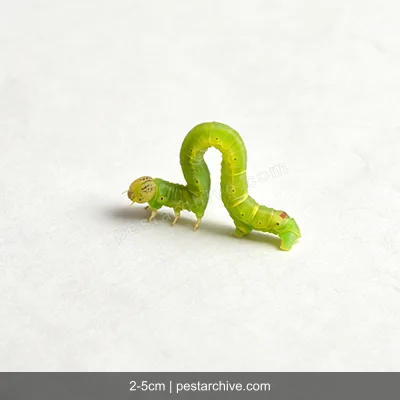
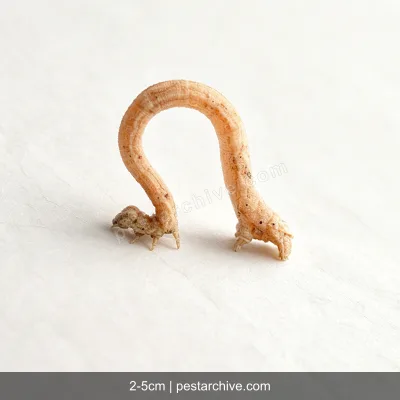
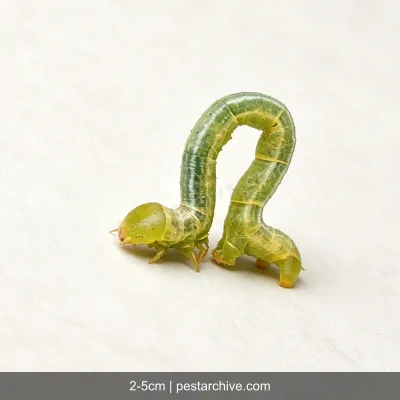
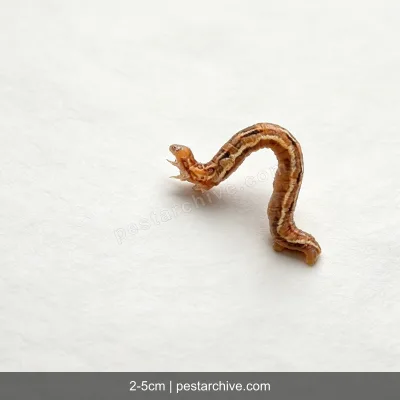
What Do Adult Inchworms Look Like?
When inchworms mature, they become geometrid moths — masters of camouflage.
Physical Characteristics
- Medium-sized with broad, thin wings spanning about 2-4 cm. Body length about 1-2 cm
- Body and wing color is usually grayish-brown, yellowish-brown, or white
- Wings have fine, intricate markings that closely resemble tree bark or lichen
- When at rest, the wings are held flat or slightly tilted — unlike most moths that fold their wings into a roof shape. This is one of the quick identification features for geometrid moths
Camouflage Ability
Geometrid moths are among the insect world's camouflage masters:
- During the day, they rest motionless on tree trunks. The wing patterns blend almost perfectly with the bark texture
- If you don't look very closely, you'll never spot them
- This is a key survival strategy for evading predators (birds)
- You only notice them when they suddenly fly off — "Oh, that was a moth"
Activity Patterns
- Geometrid moths are nocturnal. They rest during the day and are active at night
- At night, they fly out to mate and lay eggs
- They are attracted to light and will come to lights at night
- Adults don't feed (or only sip small amounts of nectar)
- Lifespan is about 1-2 weeks. Their main job is mating and laying eggs
Female Egg-Laying
- Females lay eggs in bark crevices on branches or near buds
- Egg masses are covered with a layer of fuzz for protection
- A single female can lay several hundred eggs, which hatch into inchworm larvae the following spring (March-April)
- The egg stage lasts for months (overwintering until the following spring). That's why scraping off egg masses in fall and winter is an effective control measure