How to use dinotefuran-containing household insecticide spray to control inchworms?
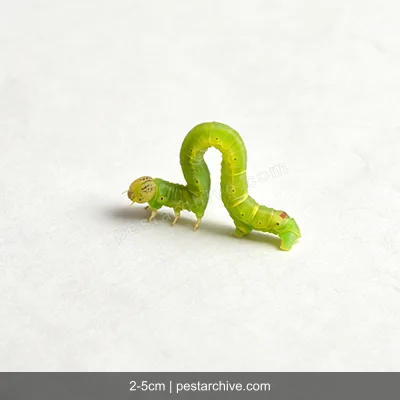
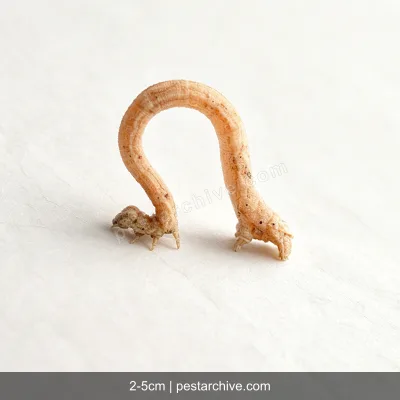
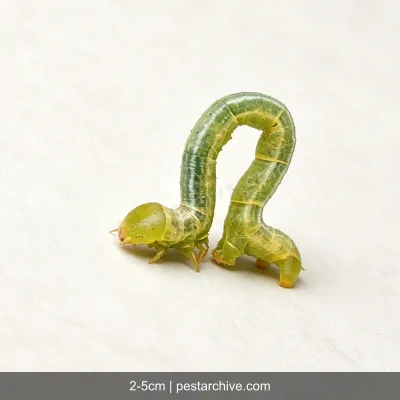
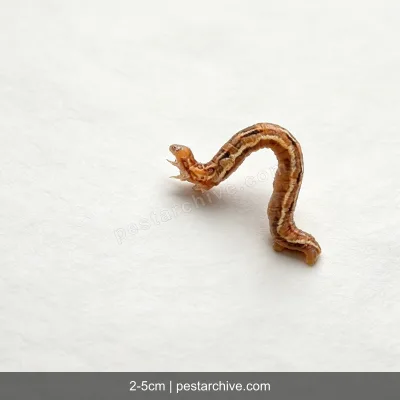
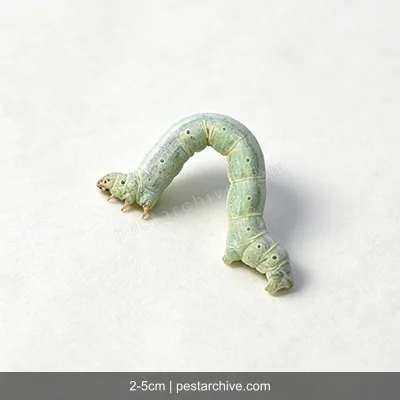
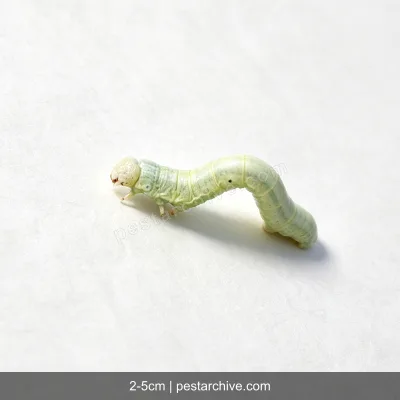
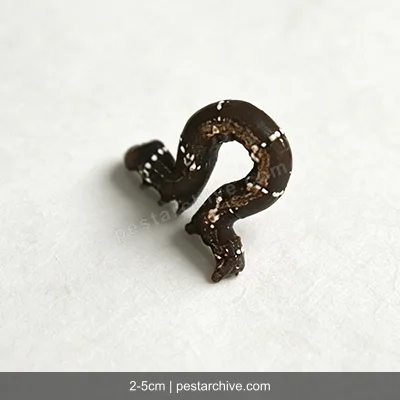
How to use dinotefuran-containing household insecticide spray to control inchworms? Dinotefuran-containing sprays are highly effective against inchworm larvae. Pay attention to the following key points:
Best spray timing
- Early instar stage (1-2 weeks after hatching) gives the best results.
- At this stage, larvae are small, eat little, and have low resistance, so a small amount of insecticide kills them.
- Older larvae eat more and have higher resistance, requiring more insecticide.
- Early detection and early spraying are critical; spraying after leaves are already eaten is too late.
Spraying method
- Spray evenly on both sides of infested leaves.
- Focus on leaf undersides — inchworm larvae often hide there.
- Also spray young shoots and new leaves, which larvae prefer.
- Spray trunks and the ground moderately — inchworms drop down on silk; those that land on treated ground die.
- For tall trees, focus on the lower and middle canopy.
Frequency
- One spray is usually sufficient to control most larvae.
- For severe infestations, reapply after 7-10 days.
- Reapply after rain.
Precautions
- Dinotefuran-containing sprays are toxic to bees and other pollinators; do not spray during flowering.
- Avoid spraying in strong sunlight or windy conditions, which reduce effectiveness. The best time is early morning or evening on clear days.
- Wear gloves and a mask when spraying.
- Use household-strength dinotefuran spray for home orchards and yard trees.