Bed Bug Bites or Dust Mite Bites? How to Tell the Difference
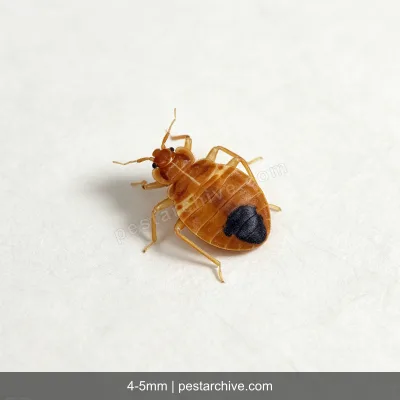
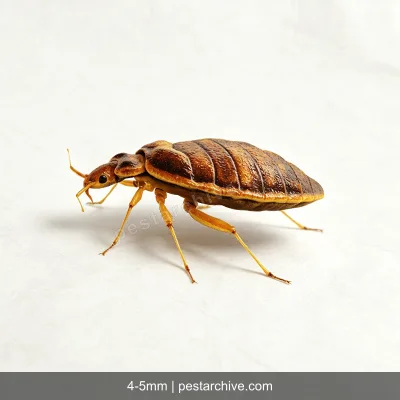
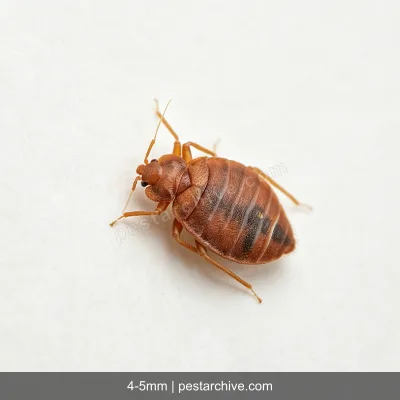
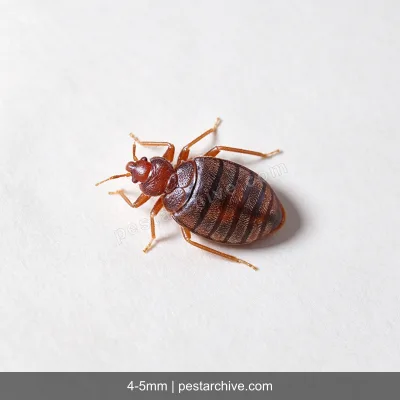
How to Tell Bed Bug Bites from Mite Bites?
Bed bug and mite bites can look similar, but you can tell them apart by checking these differences. Identifying the culprit correctly helps you choose the right treatment:
When the bites happen
- Bed bugs: They feed mainly at night (after lights out), biting people who are asleep. Most active half an hour to two hours after you turn off the lights.
- Mites: They can bite any time of day, but are also active at night.
Where the bites appear
- Bed bugs: They go for exposed skin — face, neck, arms, backs of hands, back, and legs.
- Mites: They prefer areas with thin, delicate skin — the waist, armpits, groin, inner elbows, and behind the knees.
How the bites look
- Bed bugs: Bites often appear in a line or cluster of 2-4 welts — sometimes called the "breakfast, lunch, and dinner" pattern. The welts are larger, noticeably red and swollen, and intensely itchy for several days.
- Mites: Bites are scattered with no fixed pattern. The bumps are smaller and look like red papules.
Other evidence on the bed (bed bugs only)
- Rust-colored blood spots — stains left when bed bugs get crushed.
- Tiny black fecal spots — bed bug droppings, like little dots made with a marker pen.
- White eggs — about the size of a grain of rice, tucked into mattress seams.
- Shed skins — translucent, light-brown empty shells from molting nymphs.
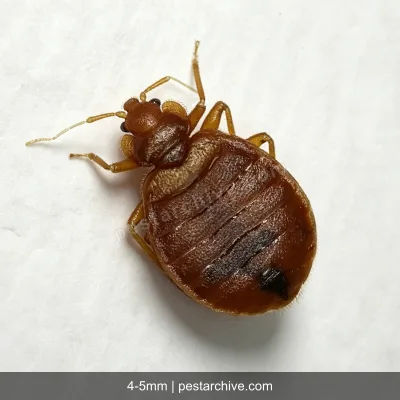
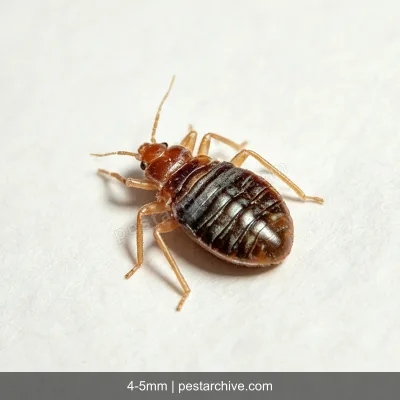
- Live bugs — brown, flat and oval, about 5 mm long.
How to interpret the clues
If you find any of the above evidence in mattress seams, it's almost certainly bed bugs. If you find zero bed bug traces but still wake up with bites — and the bites mostly happen in bed — consider dust mite allergy. If you get bitten away from the bed too, the culprit could be biting midges or fleas.