How to Check Your Bed for Bed Bugs
How to Check Your Bed for Bed Bugs?
Checking your bed for bed bugs requires a systematic search because they hide deep during the day and are not easy to spot. If you suspect bed bugs, do a thorough inspection before deciding how to treat.
Tools you'll need
- A flashlight or your phone's flash
- A stiff card or credit card (for scraping along seams)
- A magnifying glass (optional)
Step 1: Inspect the mattress
- Pull back all sheets, duvet covers, and pillowcases.
- Focus on the mattress seams, piping, inside of labels/tags, and near zipper teeth.
- Use a stiff card to scrape along these seams — bed bugs hide in the deepest part.
- Look for the following evidence:
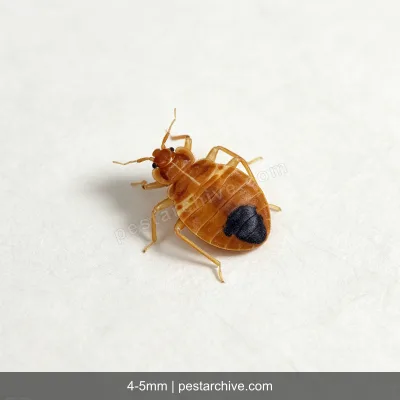
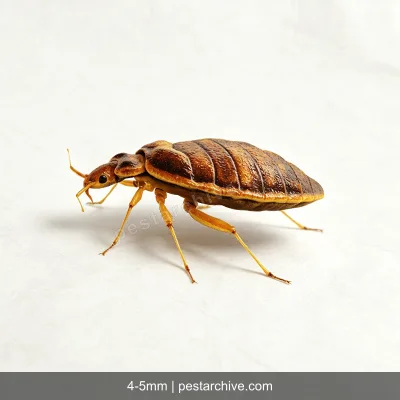
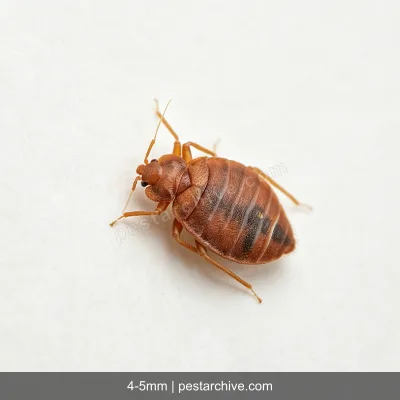
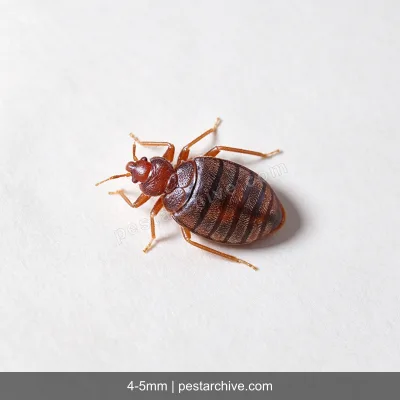
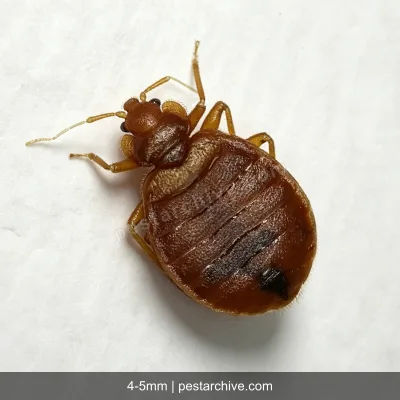
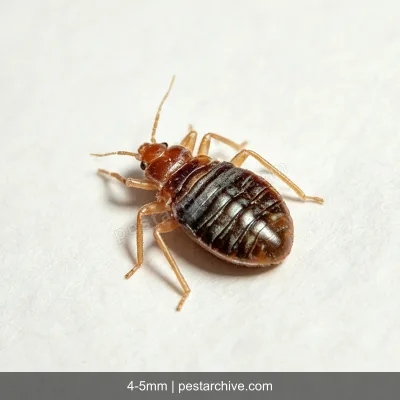
- Live bugs — Brown, flat, oval-shaped insects about 5 mm long.
- Eggs — White and translucent, about the size of a grain of rice, often found in clusters inside seams.
- Black droppings — Tiny black dots that look like marks from a marker pen. They smear when wiped (digested blood).
- Shed skins — Translucent, light-brown empty shells that nymphs leave behind when molting.
- Blood stains — Faint reddish marks left by crushed bed bugs.
Step 2: Inspect the bed frame and headboard
- Lift the mattress and check the gaps between bed slats.
- Examine cracks, screw holes, and joints in the wooden parts of the bed frame.
- The back and underside of the headboard are classic bed bug hiding spots.
Step 3: Inspect surrounding areas
- Nightstands — Inside drawers, bottom joints, back panel seams.
- Baseboards — Check along the baseboards near the bed.
- Wall frames and outlets — Bed bugs can also hide behind these.
How to confirm an infestation
If you find any one of the above signs (live bugs, eggs, droppings, blood spots, shed skins), you almost certainly have a bed bug infestation. If you find no evidence but repeatedly get rows of bites, stay alert. Once confirmed, start treatment immediately. The sooner you act, the easier they are to get rid of.