Where Do Bed Bugs Hide in a Room?
Where Do Bed Bugs Hide in a Room?
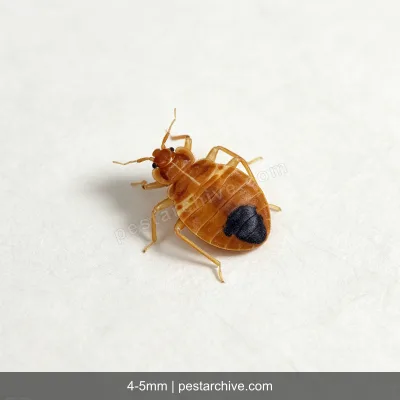
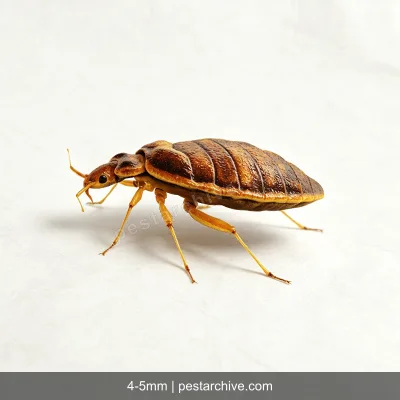
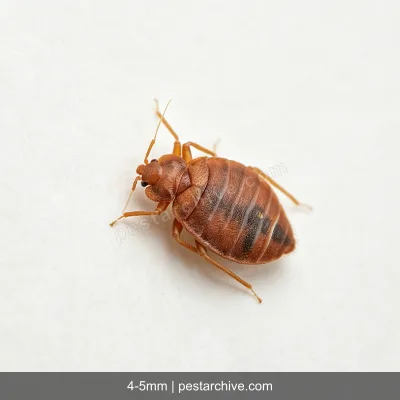
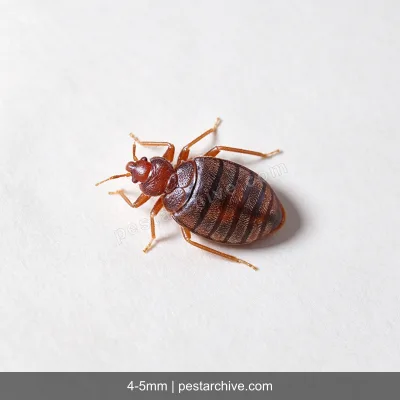
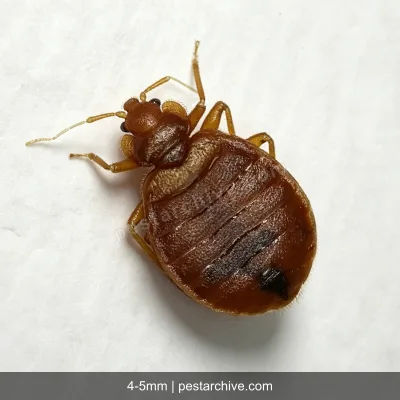
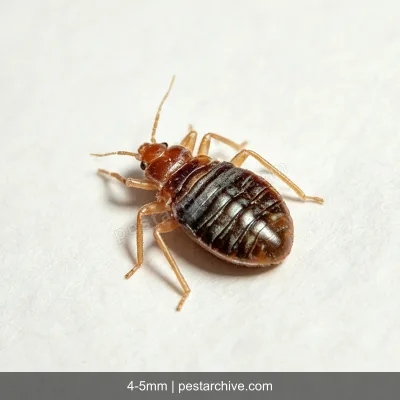
Bed bugs have extremely flat bodies (only about 2 mm thick) and can squeeze into very narrow cracks. They prefer dark, warm spots close to their host. Knowing their hiding places is the first step to effective control:
The bed area (primary harborages)
- Mattress welts and seams — Bed bugs hide deep inside seams during the day, staying close to where you sleep for easy nighttime feeding.
- Bed frame joints and screw holes — Cracks and mortise-and-tenon joints in wooden bed frames. These hidden spaces are hot spots for bed bug colonies.
- Behind and under the headboard — This is a classic bed bug hiding place.
- Between bed slats — Lift the mattress to inspect.
Around the bedroom
- Behind baseboards — Bed bugs travel along the base of walls and hide in baseboard gaps.
- Behind peeling wallpaper — The space behind wallpaper is another hiding spot.
- Inside electrical outlet covers — Bed bugs can crawl into the space behind outlet plates and spread to other rooms through wall voids.
- Behind picture frames and wall hangings — Especially frames hung on the wall near the bed.
- Closet corners and drawer crevices — Particularly the joints in wooden furniture.
Living room areas
- Sofa armrest and cushion seams
- Throw pillow zippers and backing
- Curtain folds and hems
- Rug and carpet edges and underneath
How to search
About 1-2 hours after turning off the lights (peak bed bug activity), use a flashlight to check the locations above for live bugs. During the day, focus on finding droppings (tiny black dots), eggs (white, rice-grain sized), and shed skins. Once you find evidence of bed bugs, start full treatment immediately. Bed bugs reproduce fast — the sooner you act, the easier they are to get rid of.