Is dinotefuran-containing household insecticide spray effective against bed bugs?
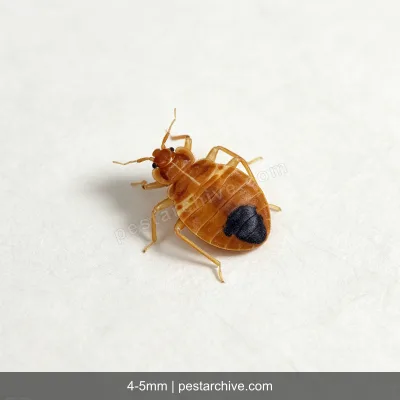
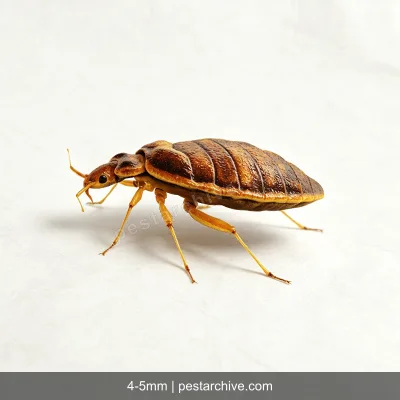
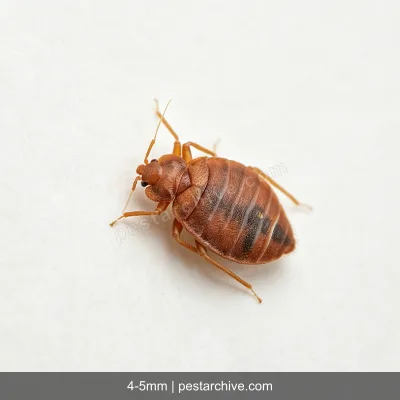
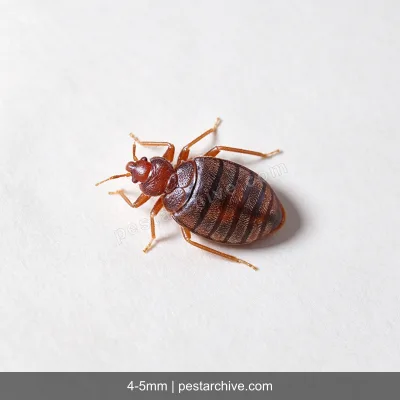
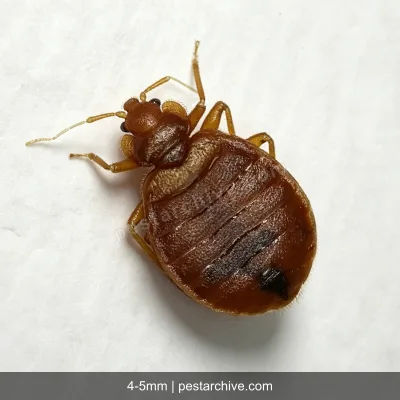
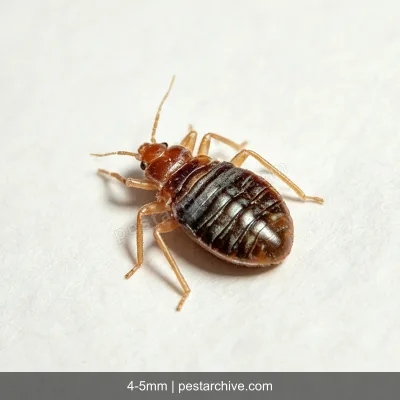
Is dinotefuran-containing household insecticide spray effective against bed bugs? Dinotefuran-containing sprays are highly effective against bed bugs and are the mainstream insecticide for household control. Its non-repellent property is especially effective — bed bugs do not avoid treated areas; they inevitably contact the insecticide when they emerge at night.
Effectiveness characteristics
- Contact action — when bed bugs crawl over treated surfaces, the insecticide penetrates through the body wall and acts on the nervous system, causing excitation, convulsions, and death.
- Non-repellent — bed bugs do not avoid the treated film; they will crawl over sprayed areas normally, which is a major advantage.
- Long residual effect — one application remains effective for 2-4 weeks, continuously killing newly appearing bed bugs.
- Colorless and odorless — once dry, the residue is transparent and odorless, not affecting daily life.
Application method
- Spray on: bed slats, bed frame joints, baseboards, corners, and nightstand crevices. The key is to treat both daytime hiding places and nighttime travel routes.
- Hold nozzle 20-30 cm from surface; spray until slightly damp.
- Focus on crevices where bed bugs hide during the day and routes they travel at night.
- Allow 2-3 hours to dry.
Why repeated treatment is needed
- This insecticide kills adult bed bugs and nymphs.
- But it cannot penetrate egg shells.
- Eggs hatch in 7-14 days; newly hatched nymphs die upon contact with the residual film.
- Therefore, reapply every 10-14 days, 2-3 times total, for complete elimination.
Precautions
Keep pets and children away during spraying; normal activities can resume after drying. If you have a fish tank, cover it before spraying, as this insecticide is toxic to aquatic life.