How to kill bed bug eggs?
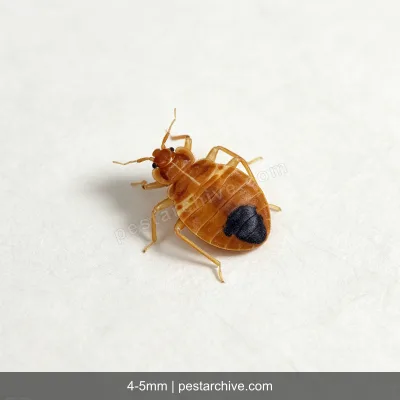
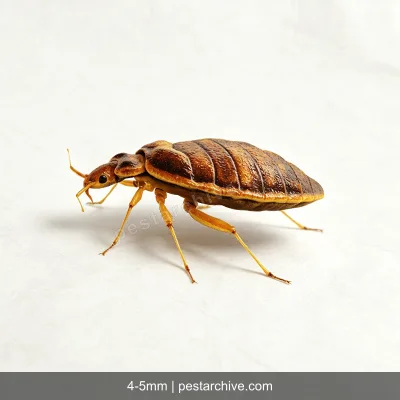
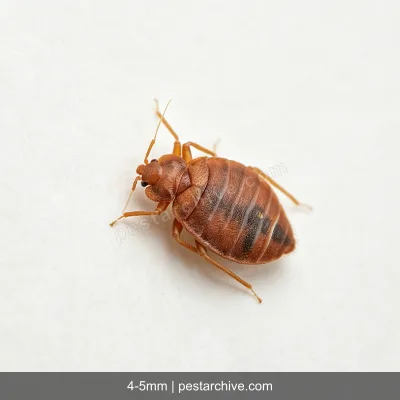
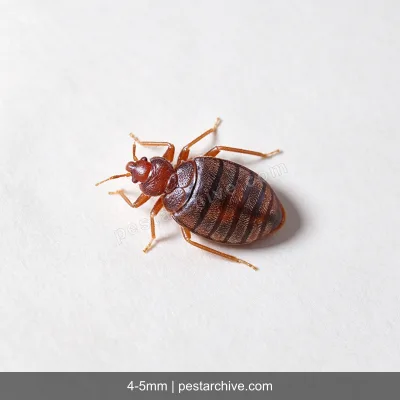
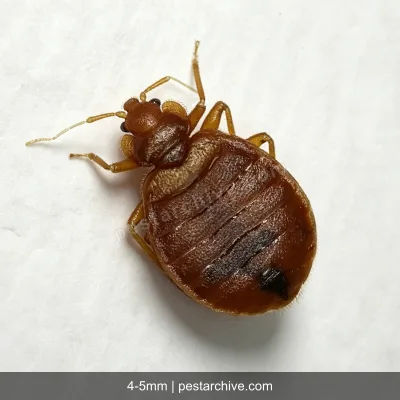
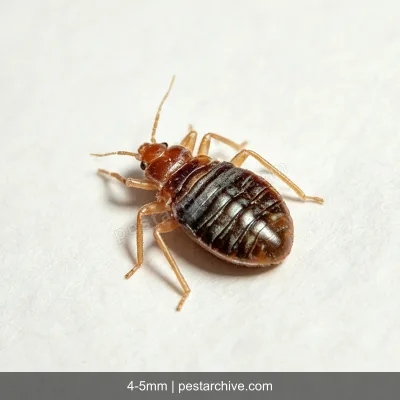
How to kill bed bug eggs?
Bed bug eggs are the most difficult part of bed bug control because the egg shell (cap) is relatively thick, making it difficult for ordinary insecticides to penetrate.
Physical methods (most reliable)
- High-temperature steam — use a steam cleaner to apply steam to mattress seams, bed frame crevices, baseboards, and other egg-laying sites. Temperatures above 60°C kill eggs within seconds. The advantage of steam is its ability to penetrate deep into crevices.
- Hot water washing — soak washable fabrics like sheets in water above 60°C for more than 10 minutes to kill eggs.
- High-heat drying — tumble dry non-washable items like clothing and stuffed toys on high heat for 30-40 minutes.
- Freezing — freezing at -18°C for more than 72 hours can also kill eggs, but household freezers may not reach sufficient temperatures, and this method is not very practical.
Chemical methods (must be combined with physical methods)
- First, thoroughly spray dinotefuran-containing household insecticide on bed frames, bed slats, baseboards, furniture crevices, and other bed bug activity areas.
- The egg shell blocks insecticide penetration; embryos inside the eggs are not killed before hatching.
- Critical operation: 7-14 days after the first spray (depending on temperature), eggs begin to hatch. This is the time to apply the second spray. Newly hatched nymphs emerge and immediately contact the residual film, dying.
- For severe infestations, 2-3 consecutive treatments may be needed for complete elimination.
Why is one treatment not enough?
The incubation period for bed bug eggs is approximately 6-10 days (at 25-30°C). One spray only kills already-hatched bed bugs and nymphs, but not the embryos inside the eggs. You must wait for all eggs to hatch, then reapply to kill the newly emerged nymphs. This is why "bed bugs require two treatments."