Do Bed Bugs Transmit Diseases?
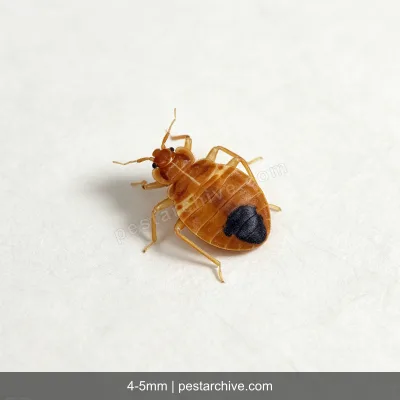

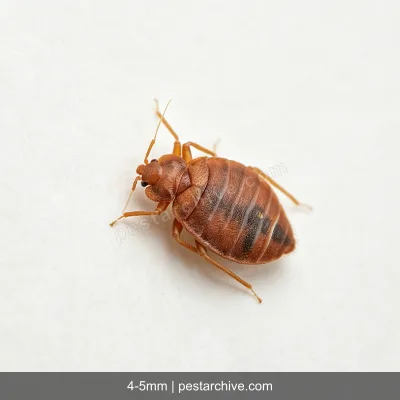
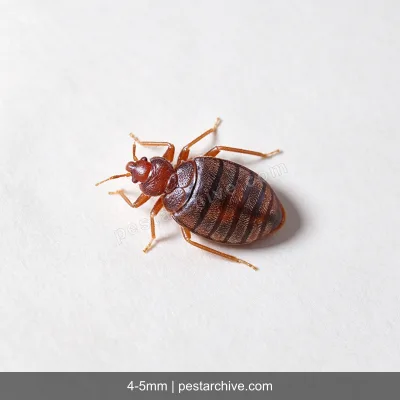
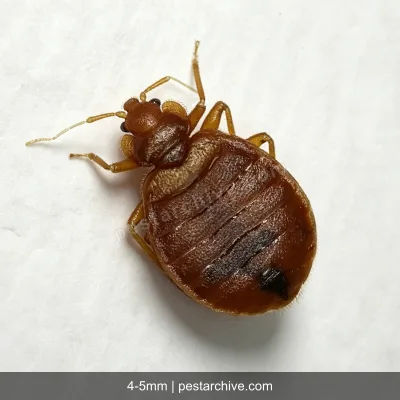
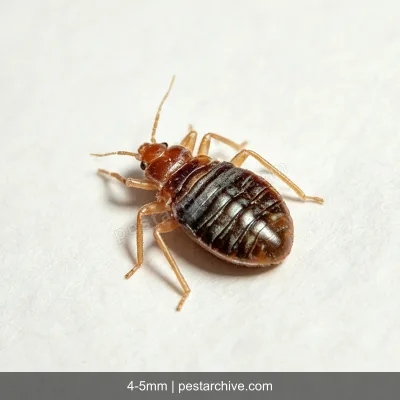
Do Bed Bugs Spread Diseases?
When it comes to whether bed bugs transmit diseases, the scientific consensus is this: for urban households, the main threat from bed bugs is not infectious disease transmission, but rather the skin reactions and psychological effects caused by their bites.
What we know: Bed bugs do not spread infectious diseases through bites
Unlike mosquitoes, ticks, and other disease vectors, extensive research shows that bed bugs do not transmit hepatitis B, HIV, malaria, or other infectious diseases through their bites. The reason is that bed bug saliva and mouthpart structure are not suited for pathogen transmission. Even under lab conditions where bed bugs are fed virus-containing blood, they lack an effective transmission capability.
Health problems bed bugs do cause
Even though there's no infectious disease transmission risk, bed bugs can certainly cause the following health issues:
- Skin problems — Bed bug bites produce red papules and intense itching. Scratching can easily break the skin, leading to secondary bacterial infections (such as cellulitis).
- Allergic reactions — Some people are allergic to proteins in bed bug saliva. Bites may cause extensive swelling and redness, or even full-body hives.
- Sleep disruption — Bed bugs are active mainly at night. The unbearable itching after being bitten seriously affects sleep quality.
- Mental health — Long-term bed bug problems can lead to anxiety, insomnia, and compulsive checking behaviors. In severe cases, this interferes with normal daily life.
- Secondary infection risk — If scratched wounds are not properly cared for, they can become infected with bacteria such as *Staphylococcus aureus*.
Bottom line
The primary harm from bed bugs is the skin reaction to bites and the psychological toll — not "disease transmission" in the traditional sense. While there's no risk of major disease, bed bugs absolutely affect your quality of life and sleep. If you find them, deal with them promptly.
When to see a doctor
- If bitten areas develop extensive swelling, redness, or blisters.
- If scratched wounds become red, swollen, hot, painful, or discharge pus (signs of infection).
- If you experience a systemic allergic reaction.
- If sleep disruption is severe enough to affect your daytime functioning.