How to Identify and Control Bean Weevils?
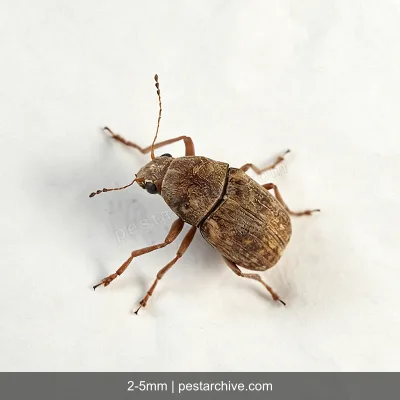
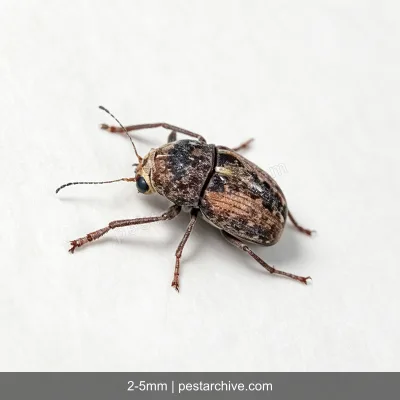
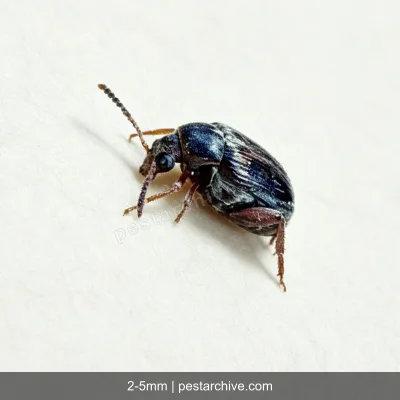
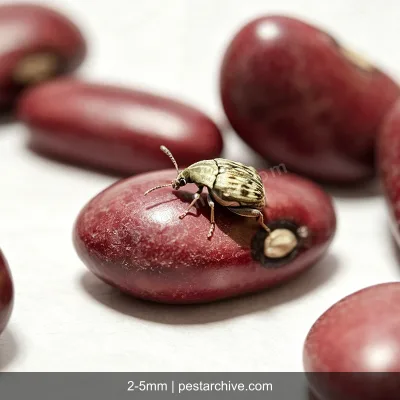
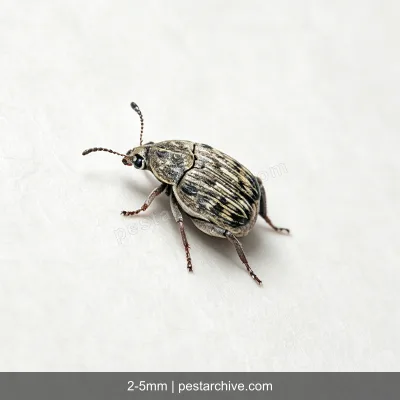
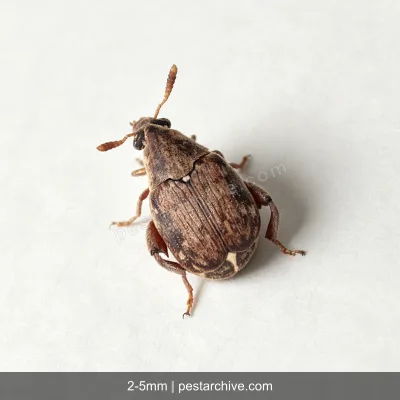
Where Do Bean Weevils Come From?
Unlike cockroaches that crawl up through drains, bean weevils primarily come from the beans you bought. Their eggs are extremely small (about 0.5mm) and nearly invisible — very easy to overlook.
Source 1: Eggs Already on the Beans (Most Common)
This is the main reason. Bean weevils lay eggs on bean pods while the crop is still in the field:
- While beans are still growing, adult weevils lay eggs on the pods.
- By harvest time, eggs are already attached to the bean surface, or larvae have already bored inside.
- During processing and packaging, these egg-carrying beans are bagged up.
- After you bring them home, when temperatures are right (above 25 degrees C / 77 degrees F), the eggs hatch within 1-2 weeks.
- Larvae develop inside the beans and emerge as adults 2-3 weeks later.
- So beans you bought may suddenly show bugs after sitting for half a month.
Source 2: Old Beans Infect New Beans
If you already have bean weevils at home:
- Adult weevils can fly (not far, but a few meters to a dozen-plus meters is no problem).
- They can fly from old infested beans to newly purchased beans and lay eggs.
- They spread fast in the kitchen — one infested bag can lead to all your legumes getting hit.
- Different types of beans stored next to each other are easily cross-contaminated.
Source 3: Cross-Contamination From Bulk Bins
Buying from bulk bins at supermarkets or markets carries higher risk:
- Bulk bean containers may already contain adult weevils or eggs.
- When you scoop beans, you may bring eggs home along with them.
- Repeated scooping by different customers accelerates cross-contamination.
Source 4: Spread From Neighbors
Adult bean weevils can fly and can travel between apartments in a multi-unit building. If a neighbor's beans are infested and yours aren't stored sealed, they could get infected. However, this is far less common than the other routes.
How to Tell Where They Came From
- Bugs appeared 1-2 weeks after purchase: eggs were already on the beans (most common scenario).
- Bugs in beans that have been stored a long time: old infestation source or improper storage.
- Newly bought beans got infested after being placed near old beans: cross-contamination. You need to store them completely separately.
The Key Preventive Step
No matter how clean the beans look, put them straight into the freezer at -18 degrees C (0 degrees F) for 48 hours as soon as you bring them home. This kills any potential eggs and larvae. Then store in sealed containers — this is the only reliable way to stop bean weevils at the source.