How to Prevent Bug Infestations in Mung Beans?
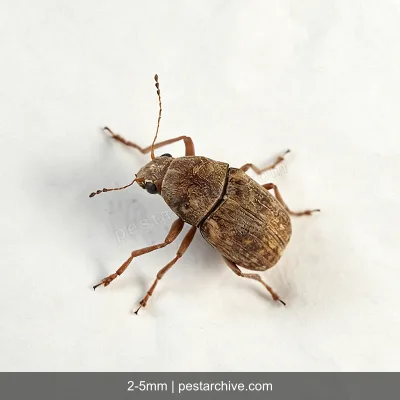
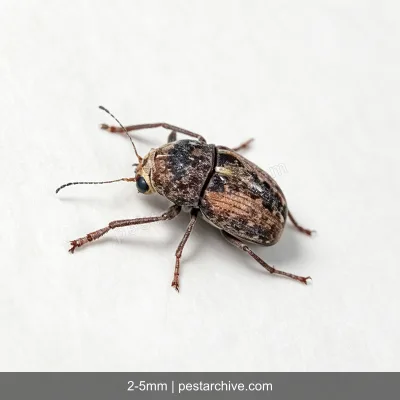
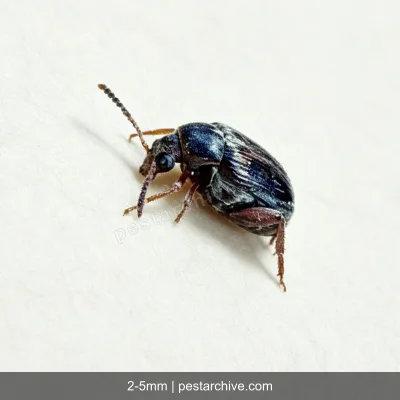
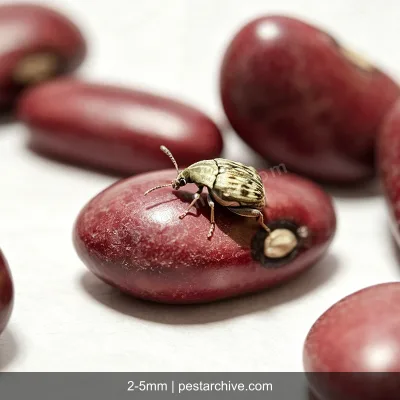
How to Keep Mung Beans From Getting Bugs
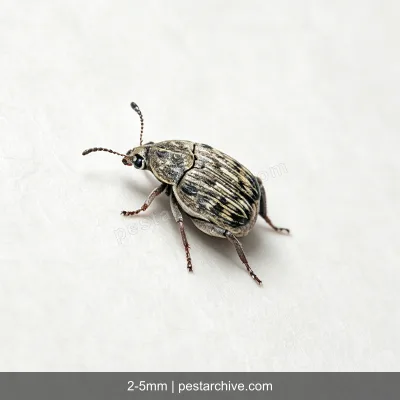
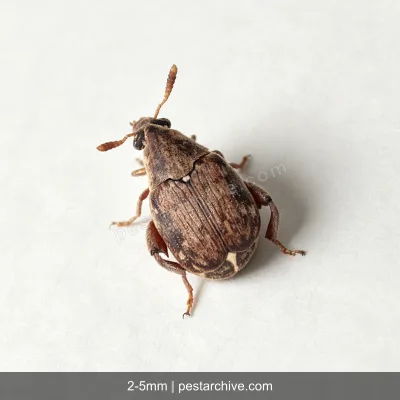
Preventing mung beans from getting infested requires attention to storage methods, environmental control, and buying habits. Bean weevils reproduce fastest at 25-32 degrees C (77-90 degrees F) with humidity above 60%, completing a full cycle from egg to adult in just 25-30 days. Understanding these patterns is the key to effective prevention.
Core Method 1: Freezing Treatment (Most Thorough)
Don't just put newly purchased mung beans away — freeze them first:
- Place the mung beans in the freezer at -18 degrees C (0 degrees F) or below for at least 48 hours.
- Low temperature kills any eggs, larvae, and adults that may be present — this is the only method that can kill eggs hidden inside the beans.
- After freezing, take them out and store in a sealed container directly — no need to thaw.
- This method does not affect the quality, taste, or sprouting ability of the beans (if you plan to grow bean sprouts).
Core Method 2: Sealed Storage
Adult bean weevils can fly, and they can chew through regular plastic bags even if tied shut. So sealing is essential:
- Use glass or plastic sealed jars for storage. Lids with silicone gasket seals are the most reliable.
- Or use vacuum-sealed bags to remove air — eggs can't hatch in an oxygen-free environment.
- Don't use open containers or regular plastic bags. Bean weevils can chew through thin plastic.
- Close the lid tightly right after each use. Don't leave the container sitting open.
Core Method 3: Environmental Control
Bean weevils love warm, humid conditions. Controlling the environment suppresses breeding:
- Store mung beans in a cool, dry place (below 20 degrees C / 68 degrees F is ideal). Avoid direct sunlight.
- Don't let cabinet temperatures get too high. Keep beans away from the stove and hot water pipes.
- You can place a few dried chili peppers or Sichuan peppercorns in the storage container — they offer some repellent effect.
- But don't rely on scent repellents alone. Sealing and freezing are the real solutions.
Core Method 4: Buy Small Amounts, Buy Frequently
- In summer, it's best to buy beans in smaller quantities more often. Fresher is safer.
- If you buy too much at once and store it for over a month, the risk of infestation increases significantly.
- We recommend buying 1-2 weeks' worth at a time. Use it up and buy more.
- Bulk beans carry higher risk. Choose vacuum-sealed packaging whenever possible.
Routine Inspection
- Check your mung bean container every week or two.
- Look for small flying insects in the area.
- Look for small holes or powdery residue on the bean surfaces (signs of boring damage).
- If you spot anything suspicious, freeze immediately.
What If They're Already Infested?
Freeze the infested mung beans for 48 hours to kill all life stages, then sift out the bugs and hollow shells. The good beans are still edible but should be used up quickly. Wash the container thoroughly with hot water and dish soap before reusing. Vacuum cabinet corners to remove all debris.