What to do if broad beans are infested with weevils?
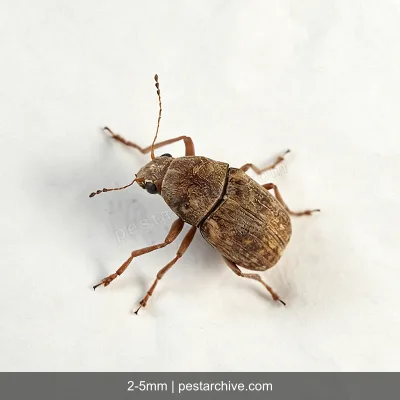
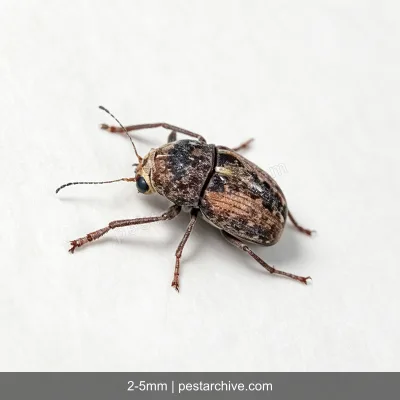
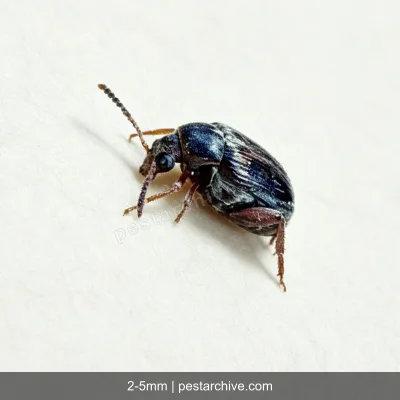
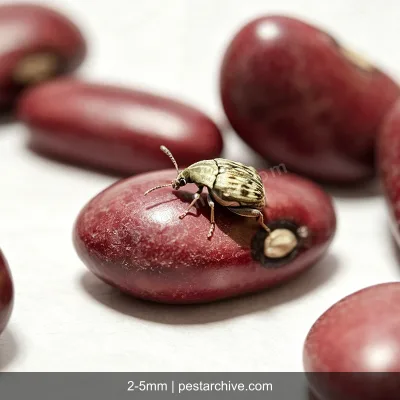
What to do if broad beans are infested with weevils?
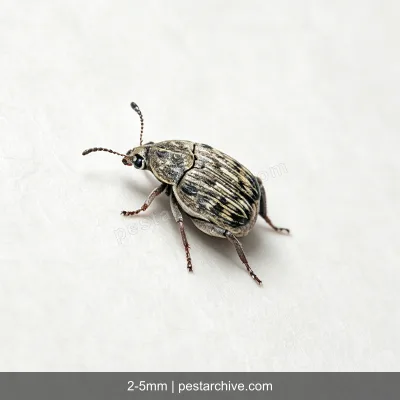
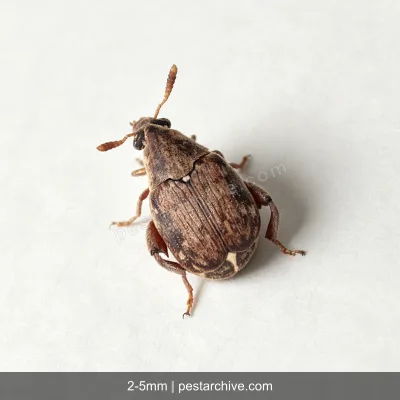
If you find broad beans infested with weevils, don't throw them all away immediately. Follow these steps to reduce waste. Broad beans are large and high in protein, making them a favorite host for bean weevils. As long as they are not moldy or spoiled, most can still be eaten.
Step 1: Sort and separate
Carefully separate the infested beans:
- Beans with visible round holes—larvae have already emerged, and the inside is mostly hollowed out.
- Beans with brown spots or dents on the surface—may contain larvae or pupae inside.
- Separate intact beans from infested ones to prevent larvae from spreading.
- Beans that are severely damaged should be thrown away.
Step 2: Treat the remaining good beans
If there are still many good beans, they must be treated before storage:
- Freezing (most recommended): Place in the freezer at -18°C for at least 48 hours to kill all life stages (eggs, larvae, pupae, adults). This does not affect taste.
- Sun exposure: Spread out and expose to strong sunlight for 2 days, turning several times daily. Good for hot summer weather, but beans will become drier and need longer soaking before cooking.
- Heat treatment: Heat in an oven at 60-70°C for 30 minutes. Be careful not to overheat, which could cook the beans or affect germination.
Step 3: Thoroughly clean containers and cabinets
Containers and surrounding storage areas must be thoroughly cleaned to prevent residual infestation:
- Wash containers with hot water and dish soap, then rinse with boiling water.
- Vacuum up all bean dust and debris from cabinets (these may serve as food for larvae).
- Wipe down the inside of cabinets with a damp cloth.
- Clean storage areas and use food-grade diatomaceous earth in cabinet crevices as a protective measure; once dry, it forms a barrier to prevent adults from laying more eggs.
Step 4: Reseal and store
Place treated beans in clean, dry, airtight containers:
- Ensure containers are completely dry before adding beans.
- Add a couple of dried chili peppers or Sichuan peppercorns as a deterrent.
- Seal the lid tightly and store in a cool place.
- Consume as soon as possible, preferably within a month.
When should beans be discarded?
- Most beans have holes (more than 30% infested).
- Beans are moldy, discolored, or have a musty smell.
- The batch contains webbing, clumps, or excessive powder.
- There is a sour or rotten odor.
These signs may indicate aflatoxin contamination, and the beans should not be consumed.