Where Do Flesh Flies Come From?
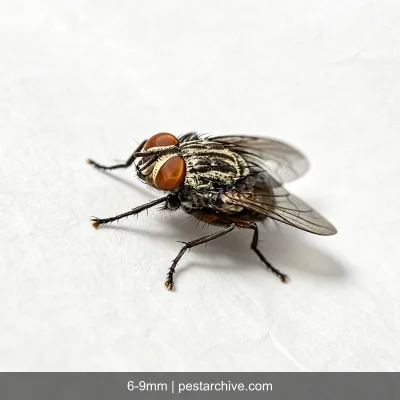
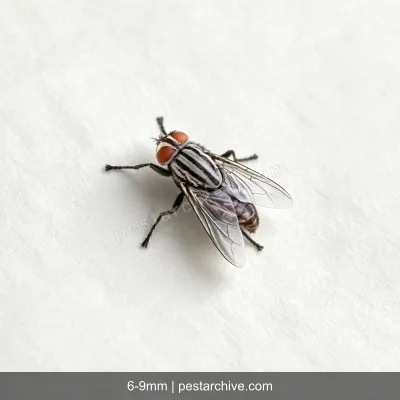
Where Do Flesh Flies Breed?
Flesh fly breeding sites are closely tied to their feeding habits — they prefer animal-based decaying matter. Knowing where they breed helps you cut off reproduction at the source.
Outdoor Breeding Sites
- Trash transfer stations and garbage piles — Mixed waste containing meat and food scraps, once decomposed, are major flesh fly breeding sites
- Compost piles — Especially those containing animal-based waste (meat scraps, fish bones, etc.)
- Livestock farms and slaughterhouses — Animal manure, dead livestock and poultry, slaughter waste — flesh flies breed in huge numbers in these places
- Pet waste — Dog and cat feces not promptly cleaned up outdoors
Indoor Breeding Conditions
Flesh flies don't breed in purely indoor environments as commonly as house flies do, but it can happen in these situations:
- Raw meat or fish guts thrown in the trash and left for several days without being taken out
- Long-term buildup of feces and food residue in pet cages or enclosures
- Accumulated rotting food under the kitchen floor drain or sink
Why Indoor Breeding Is Uncommon
Flesh fly larvae need a relatively large, concentrated amount of decaying organic matter to complete development. The food scraps in a household trash can may attract flesh flies to feed, but the quantity is usually insufficient, and the trash gets emptied frequently. So flesh flies found indoors have most likely flown in from outside.
How to Reduce Flesh Fly Breeding
- Keep outdoor trash cans lidded and sealed; put food waste in sealed bags before discarding
- Promptly remove any dead mice or birds from your yard
- Clean up pet waste daily
- Place outdoor compost piles far from the house; don't compost animal-based waste
- Take out indoor trash daily — no food scraps left overnight