Do latrine flies bite?
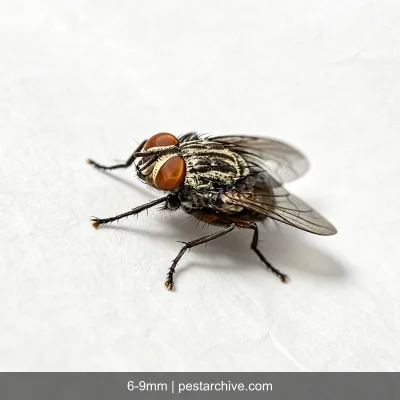
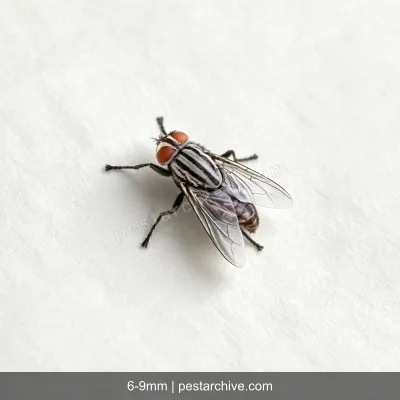
Do latrine flies bite?
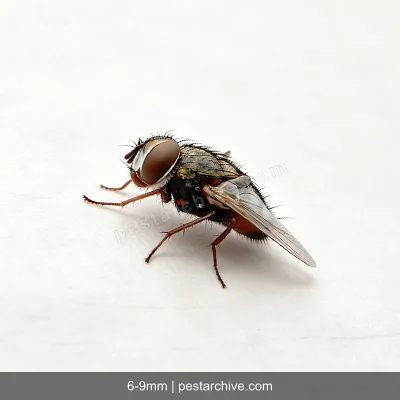
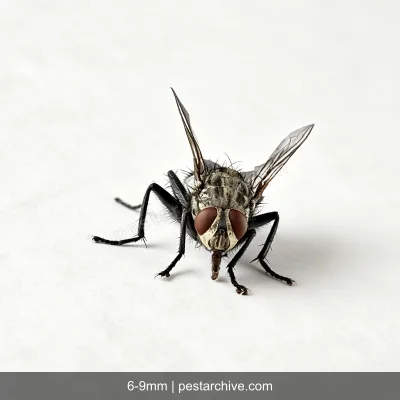
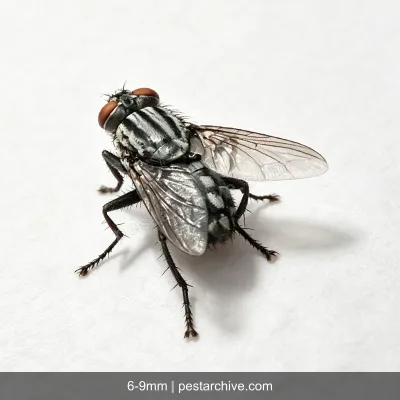
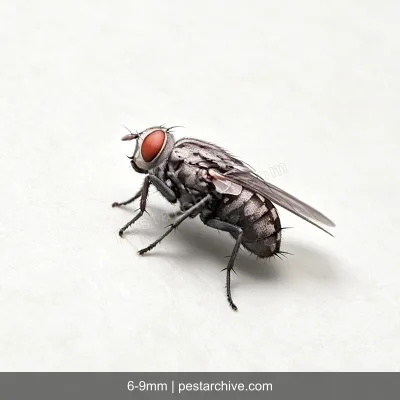
Latrine flies do not bite; this you can be assured of. Their mouthparts are sponging type (like a sponge pad), only capable of lapping up liquids or dissolved solid food. They have no ability to cut or pierce skin.
What harm do latrine flies cause?
Although they do not bite, their main problem is hygiene risk:
- Carry pathogens — latrine flies frequent dirty places like decaying matter, feces, and garbage, carrying large numbers of bacteria (such as Salmonella, E. coli, etc.) on their bodies and in their guts.
- Contaminate food — when they land and crawl on food, utensils, and cookware, they transfer pathogens to these surfaces.
- Contaminate the environment — when flying and resting indoors, they may deposit pathogens on walls, countertops, and other surfaces.
How to distinguish latrine flies from other biting flies
- Latrine flies: large (8-12 mm), grayish-black with stripes, may crawl on skin but do not bite.
- Horse flies: large (10-20 mm), loud buzzing, land directly to bite and suck blood, painful.
- Mosquitoes: small (5-10 mm), buzzing, pierce skin with mouthparts to suck blood.
Treatment methods
Although latrine flies do not bite, they should still be dealt with promptly when indoors:
- Locate and remove the source of decaying organic matter attracting them.
- Use a fly swatter or electric swatter to kill them.
- Spray dinotefuran-containing household insecticide on window sills and doorways to prevent entry.
- Do not leave food and utensils exposed to the air.