How to find gamasid mite breeding sites?
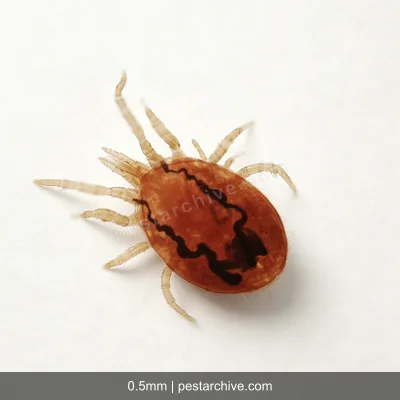
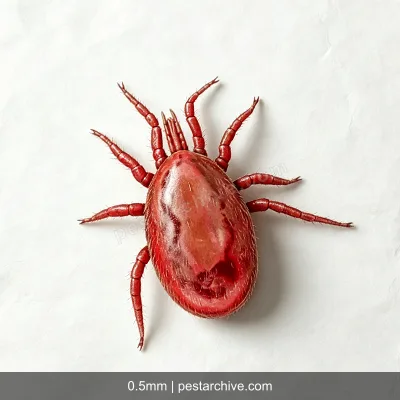
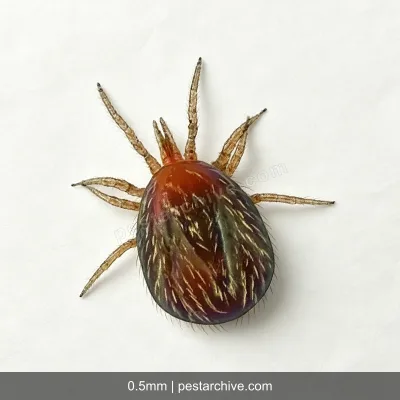
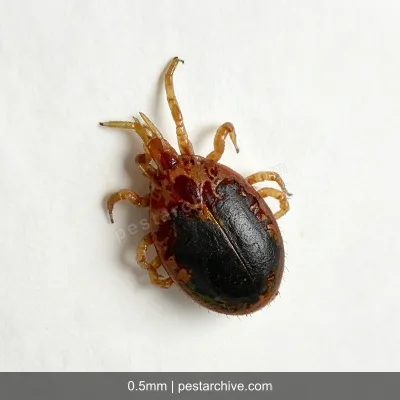
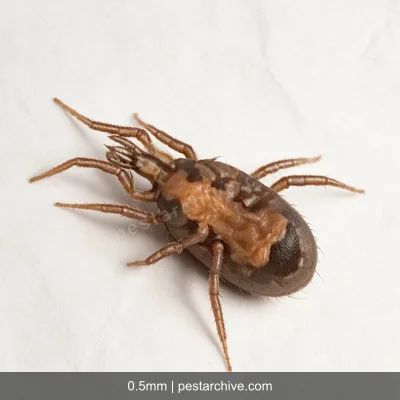
How to find gamasid mite breeding sites?
Gamasid mite breeding sites heavily overlap with rat activity routes. Finding mites means finding rat trails. Follow these clues to locate the source.
Follow the traces
- Rat droppings and urine — Corners, behind pipes, under cabinets—places with droppings may hide a nest.
- Rat holes — Cracks in walls, gaps where pipes pass through, baseboard openings—these are entry points for rats.
- Rat odor — Areas with heavy rat activity have a distinctive musky smell; mites favor such environments.
- Tiny moving black dots — If you see clusters of tiny black dots moving in dust, they are likely gamasid mites.
Key areas to inspect
- Under kitchen cabinets—especially where pipes run; rats love to follow pipes.
- Ceiling spaces and above suspended ceilings.
- Old, unmoved stacks of cardboard boxes and clutter.
- Storage room corners.
- Behind appliances (refrigerators, washing machines).
- Balcony clutter and corners.
How to confirm they are gamasid mites?
Wipe suspicious areas with a white tissue. If you see red or dark red spots (blood stains from crushed, engorged mites), it is almost certainly gamasid mites.
What to do after finding them
- Eliminate rats first—seal holes, remove food scraps, set traps.
- After addressing the rat problem, spray deltamethrin-containing household insecticide along rat trails and walls.
- Thoroughly clear clutter to reduce hiding places for rats and mites.
- Seal cracks in walls and pipe entries to prevent re-entry.