How to Treat a Flour Beetle Infestation?
What Harm Can Cadelle Beetles Do?
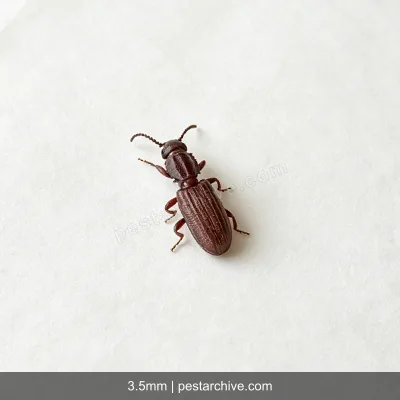
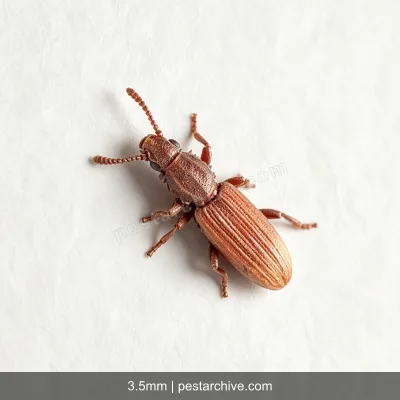
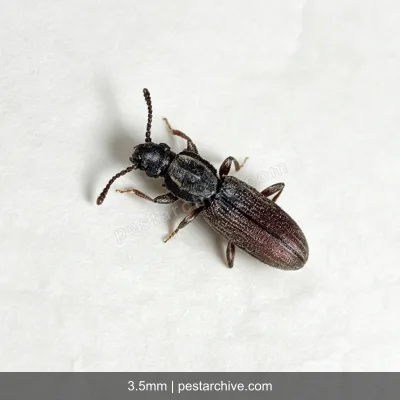
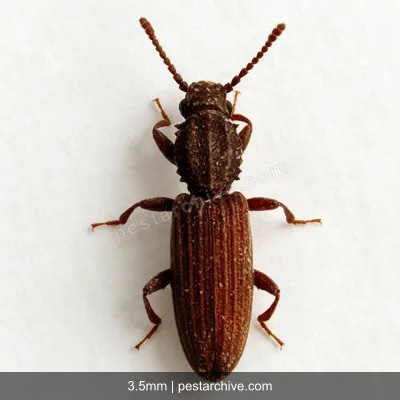
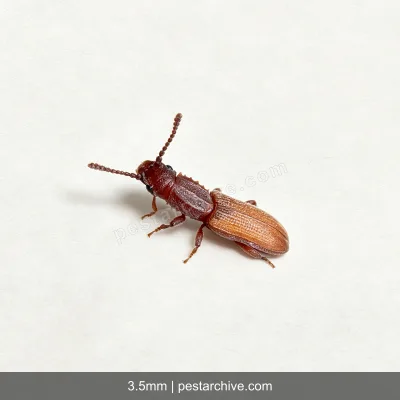
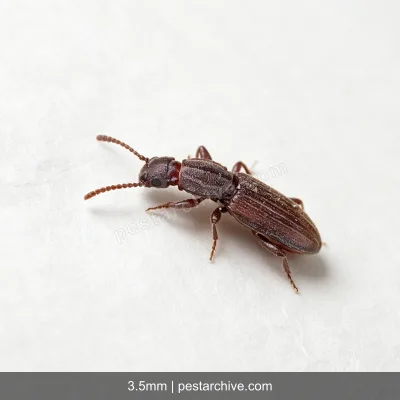
The cadelle beetle is one of the more destructive stored-product pests. Its damaging power exceeds that of many smaller grain beetles.
Main Harms Caused by Cadelle Beetles
- They Eat a Lot of Grain
Both adult and larval cadelle beetles are voracious, with large appetites relative to their size. They directly gnaw on rice grains, wheat kernels, corn, and other whole grains, chewing intact grain into fragments.
- Chew Through Packaging
This is the cadelle beetle's most destructive trait. Its mandibles are exceptionally strong and can chew through:
- Plastic bags and sealed pouches
- Paper bags and cardboard boxes
- Thin plastic containers
Once packaging is breached, not only is the food inside contaminated, but other pests can also get in.
- Contaminate Grain
During feeding, cadelle beetles produce large amounts of fragments and droppings:
- Grain is chewed into dust and fragments
- Mixed with insect droppings and shed skins
- Produces a sharp, musty odor
- Contaminated grain loses all food value
- Damage Storage Infrastructure
Cadelle beetles can also hide in the cracks of wooden rice bins and cabinets:
- Gnaw on wooden structures
- Lay eggs and breed in the gaps
- Difficult to completely get rid of
- Extremely Hardy
Cadelle beetles have strong survival abilities:
- Starvation-resistant — can live for months without food
- Cold-tolerant — can survive low temperatures
- Long-lived — adults can live 1–2 years
- Prolific — a single female can lay hundreds of eggs
Overall Impact
Once cadelle beetles establish a population in your home, they will keep damaging grain nonstop. Unlike rice weevils that stay in the rice, cadelle beetles crawl everywhere, contaminating a much wider area. That's why you need to get rid of them thoroughly and quickly once you spot them.