How to prevent grain borers from entering the rice bin?
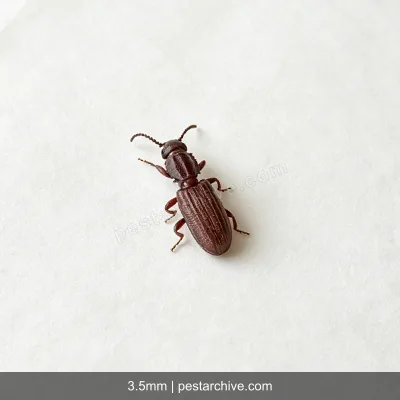
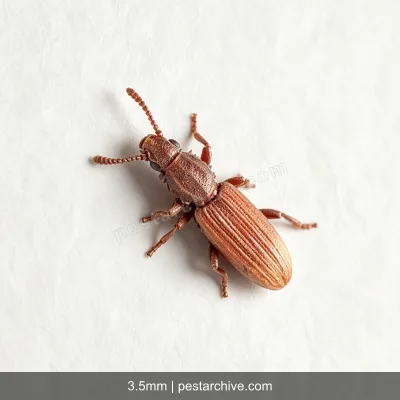
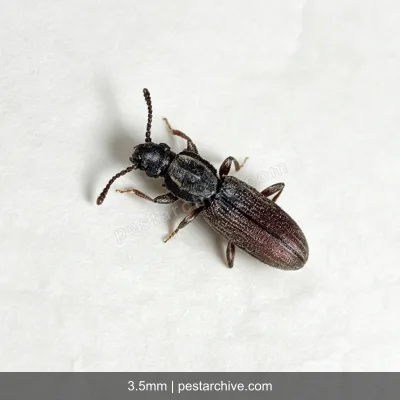
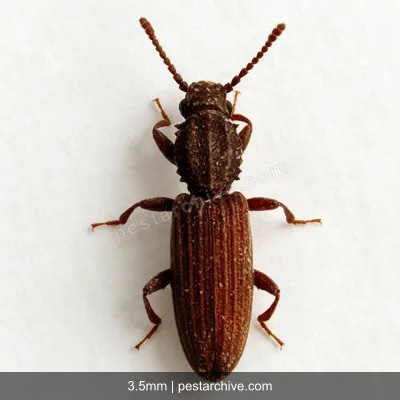
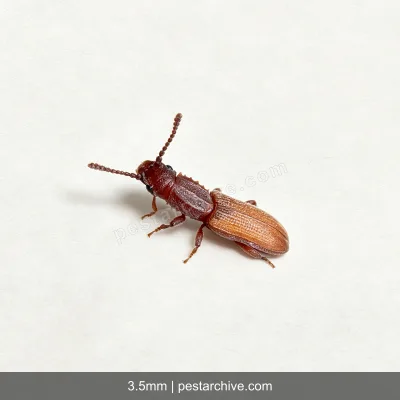
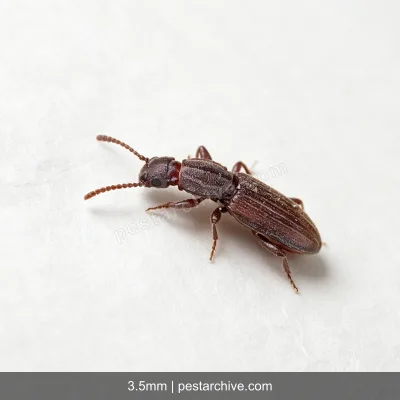
How to prevent grain borers from entering the rice bin?
The key to preventing grain borers from entering the rice bin is to focus on sealing, cleaning, and isolation.
Airtight storage
The rice bin must be sealed. Grain borers are small; even tied bag openings can be penetrated:
- Use plastic or glass containers with lids that lock tightly.
- Lids with silicone sealing rings are best.
- Avoid open rice bags or open-top bins.
- Close the lid immediately after each use.
Environmental management
- Do not place the rice bin directly on the floor; place it on a shelf or counter.
- Do not leave rice bags open and in contact with floors or walls.
- Keep the area around the bin clean; avoid spilled rice grains.
- Keep the kitchen dry and well-ventilated.
Thorough cleaning when adding new rice
Before adding new rice to the bin:
- Empty any remaining old rice from the bin.
- Wash the bin thoroughly with dish soap.
- Dry it in the sun or wipe dry.
- Ensure it is completely dry before adding new rice.
Pre-treatment of new rice
If possible, for newly purchased rice:
- Freeze for 48 hours (to kill potential eggs).
- Or divide into small portions and seal.
- Do not pour the entire bag into the bin at once.
Regular inspection
- Check the rice in the bin every two weeks.
- Look for small black beetles crawling on the surface.
- Check the counter and floor around the bin.
- Take immediate action if anything unusual is found.
Auxiliary chemical protection
Regularly apply food-grade diatomaceous earth to cabinets and corners around the rice bin for protection. The powder forms a protective layer; grain borers that crawl over it will die. Avoid getting any powder inside the bin or on food.
The most important thing is sealing
Remember: no matter what preventive method you use, sealing is the number one priority. If the seal is tight, grain borers cannot enter and therefore cannot breed inside.