How to control flatheaded borers?

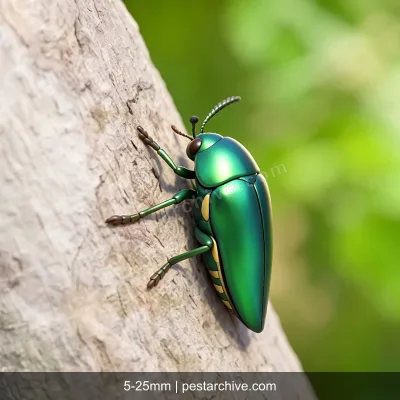
How to control flatheaded borers?
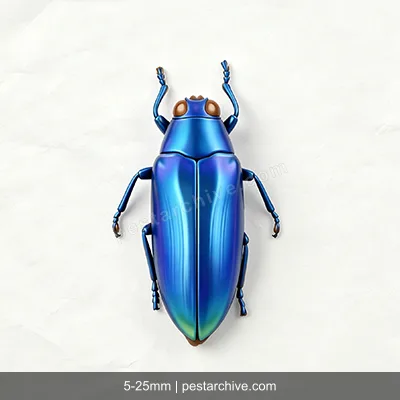
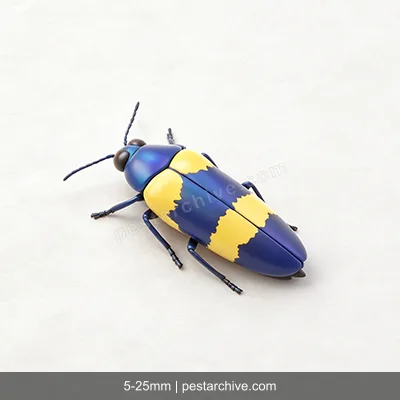
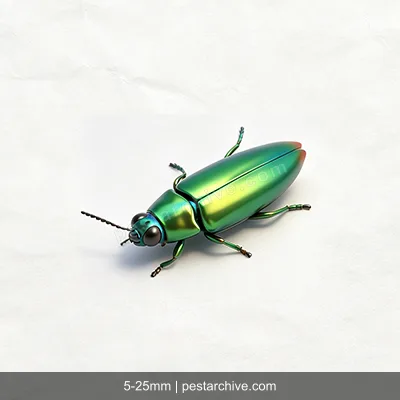
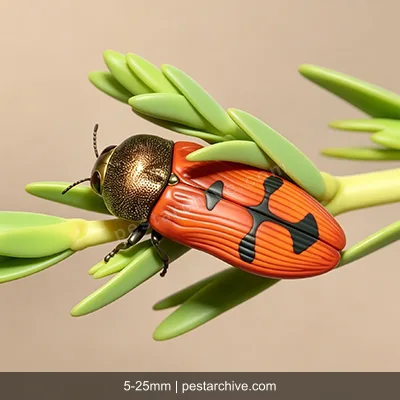
Control requires different methods based on their life stage. Flatheaded borer eggs are laid in bark crevices (each female lays 20-50 eggs); larvae bore under the bark to feed; adults move on the trunk.
Adult stage control (prevent egg laying)
Spring and summer (April-July) is the period when adults emerge and lay eggs — this is the best control window:
- Spray dinotefuran-containing household insecticide on trunks and main branches to kill adults coming to lay eggs.
- Focus on the 1-2 meter range of the trunk above the ground and branch crotches.
- Spray every 10-14 days, 2-3 times consecutively to cover the adult activity period.
Larval stage control (kill larvae already inside)
Once larvae have burrowed under the bark, surface spraying has limited effect:
- Use a knife to gently lift the dead bark over the affected area.
- Locate the larval tunnel (containing brown powdery frass).
- Inject dinotefuran-containing household insecticide directly into the tunnel.
- Seal the injection point with mud or tape.
- Larvae that contact the high-concentration liquid die quickly.
Pruning and removal
- Promptly prune and burn branches already killed by flatheaded borers.
- This reduces the pest source and reduces damage in the next generation.
- Disinfect tools during pruning to prevent disease spread.
Strengthen tree resistance
Flatheaded borers preferentially attack weakened or wounded trees:
- Keep trees healthy with proper watering and fertilization to improve resistance.
- Avoid mechanical damage to bark (from lawnmowers, pruning tools, etc.).
- Whitewashing trunks reduces sunscald and discourages egg laying.
Professional control
If the tree is severely damaged (multiple dead branches, extensive trunk gumming), consult a professional arborist.