What is a spider beetle?
What is a spider beetle?
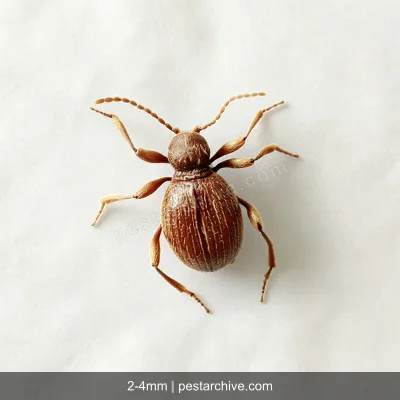
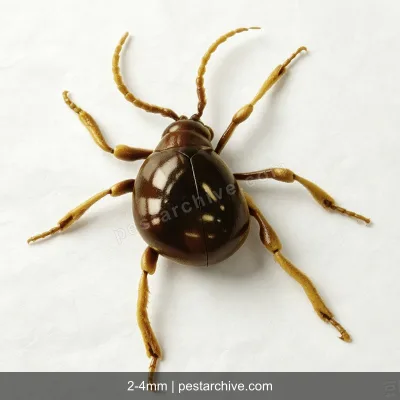
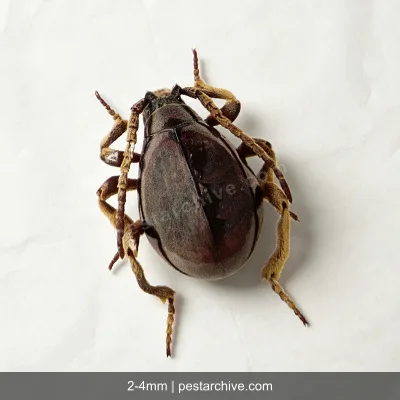
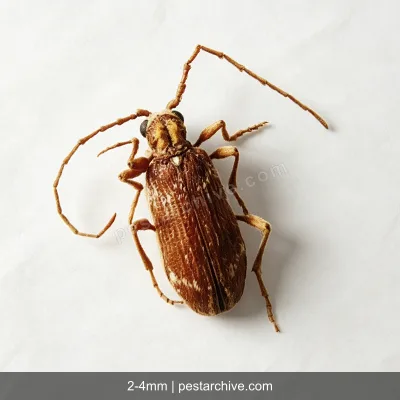
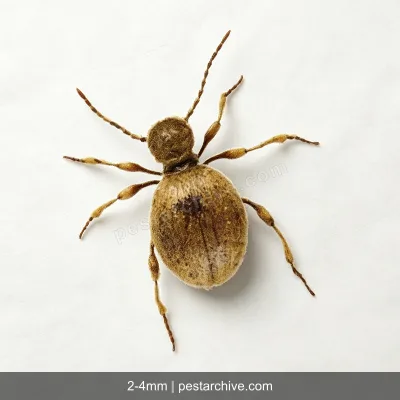
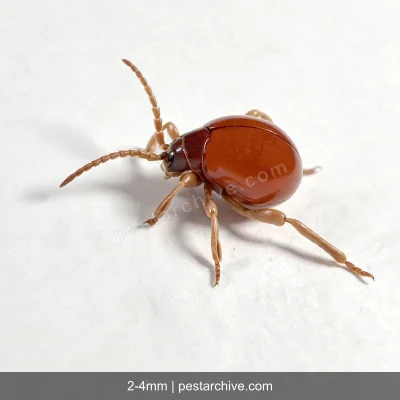
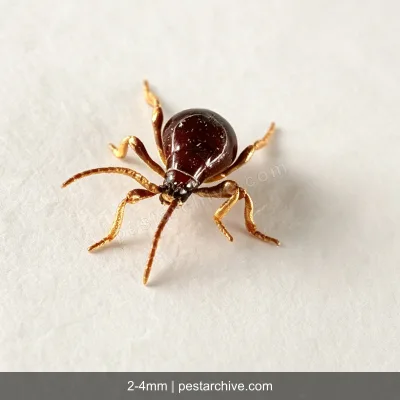
A spider beetle is a small beetle that resembles a spider. It is only 2-3 mm long, with a round, smooth, reddish-brown or dark brown body and six long, slender legs. Its appearance and gait resemble a spider, hence the name "spider beetle."
Differences from spiders
- Spiders have 8 legs; spider beetles have only 6 (they are insects).
- Spider beetles have an oval beetle body shape; spiders have a distinct cephalothorax and abdomen.
- Spider beetles have antennae and wings (though they rarely fly); spiders do not.
- Spider beetles are stored-product pests; spiders are predatory carnivores.
Why do they appear in homes?
Spider beetles are stored-product pests that feed on grains, dried fruits, herbs, animal specimens, furs, etc. Their presence usually indicates:
- Loose storage of grains or dry goods provides a food source.
- Damp, dark storage cabinets suit their survival.
- Purchased dry goods may already contain eggs or larvae.
- They are brought in via cardboard boxes or shopping bags.
Their harm
Spider beetles do not bite or transmit diseases; their main harm is food contamination. They feed and reproduce in grains and dry goods, causing loss and spoilage.
What to do if found
- Since they are tiny (2-3 mm), they can easily hide in flour or rice. After discovery, inspect all bulk grains and dry goods.
- Seal and discard the infested source—do not try to salvage.
- Thoroughly vacuum and clean storage cabinets, removing all debris.
- Apply food-grade diatomaceous earth to cabinet walls and corners; after drying, return food.
- Store all grains in airtight jars—spider beetles cannot penetrate sealed containers.
- Freeze newly purchased grains at -18°C for 48 hours before storage.