How to prevent dried fruits from getting pests?
How to prevent dried fruits from getting pests?
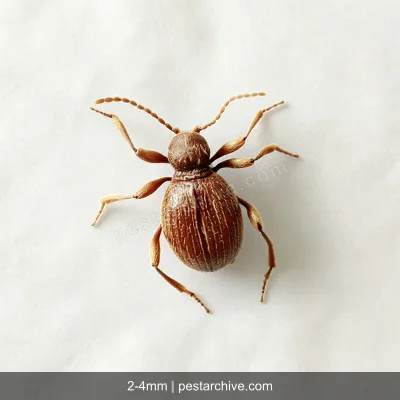
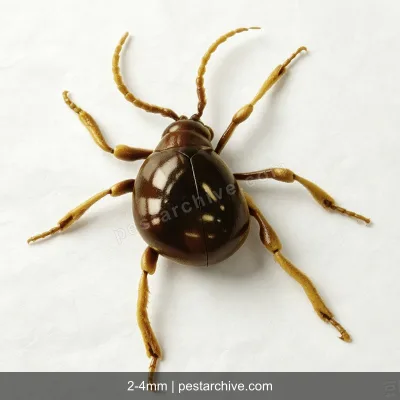
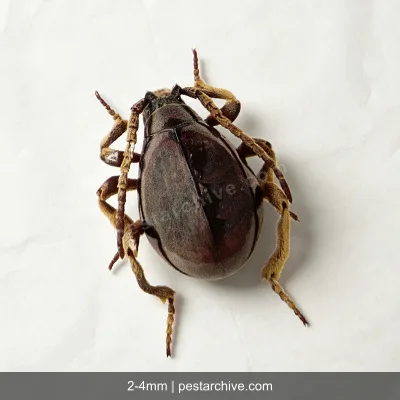
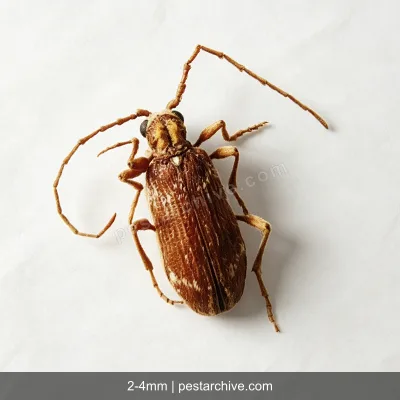
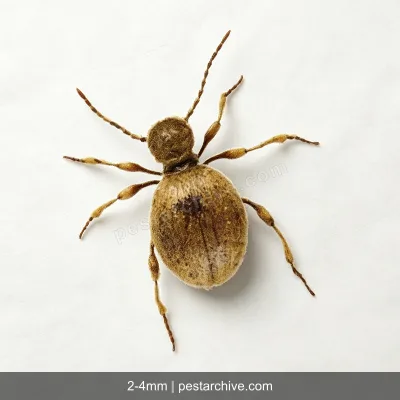
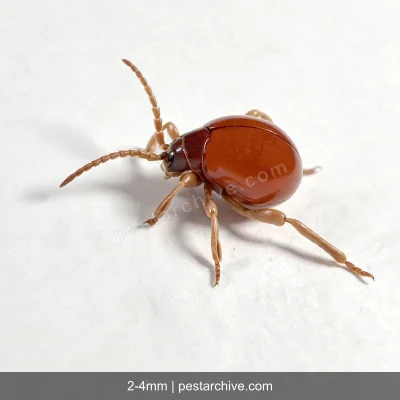
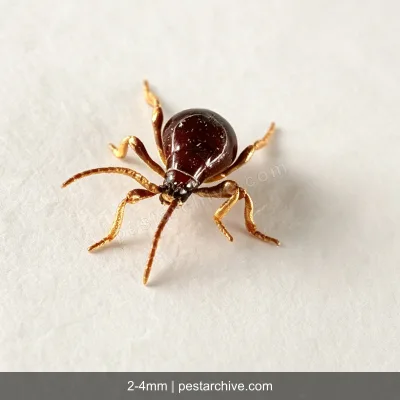
Dried fruits (dates, longans, walnuts, raisins, goji berries, etc.) are particularly attractive to spider beetles and cigarette beetles due to their high sugar content and sweetness. Prevention requires attention to purchase, storage, and environmental management:
At purchase
- When buying bulk dried fruits, inspect carefully—check for pinholes (borer holes) and fine webbing.
- Smell—avoid any with musty or off odors.
- For bulk purchases, prefer vacuum-sealed or airtight packaging.
- For online purchases, inspect upon arrival before storing.
Storage (most critical)
- Separate and seal — Store each type of dried fruit in its own airtight jar or bag. Do not mix; if one gets infested, all will be affected.
- Refrigerator/freezer storage — This is the most effective method. Refrigeration (0-4°C) inhibits egg hatching and adult activity; freezing (-18°C or below) directly kills eggs and larvae. Dried fruits can be stored for over 6 months without pests in the fridge.
- Freezing for pest control — If you suspect dried fruits may carry eggs, place them in the freezer for at least 48 hours before transferring to refrigeration or room-temperature airtight storage. Low-temperature treatment kills potential eggs.
- Prefer glass/metal containers — Spider beetle adults can chew through plastic bags and thin cardboard. Use glass jars, metal tins, or thick plastic airtight containers.
Environmental management
- Regularly clean cabinets—periodically remove all dry goods, vacuum up debris and powder.
- Keep dry—place desiccants or moisture absorbers in the storage cabinet; maintain humidity below 50%.
- Regular inspection—check dried fruits every two weeks; isolate and treat any signs of pests immediately.
- Cabinet application—after cleaning, apply food-grade diatomaceous earth to cabinet walls and corners; after drying, return food to prevent residual pests from breeding.