What to do if a centipede is found in the house?
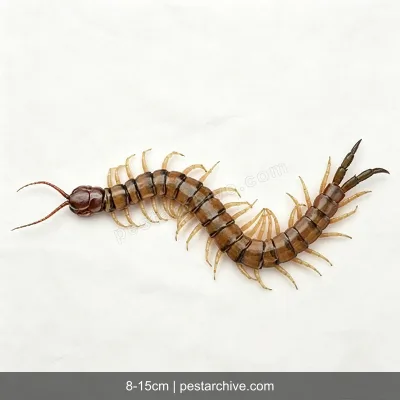
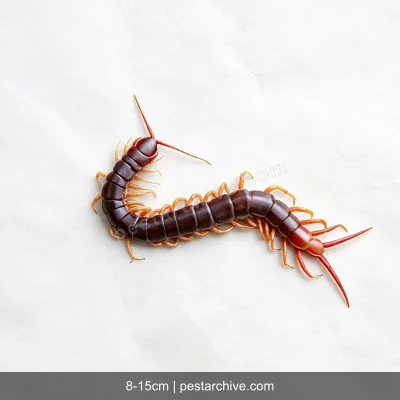
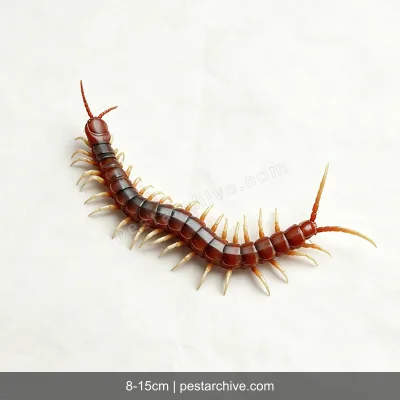
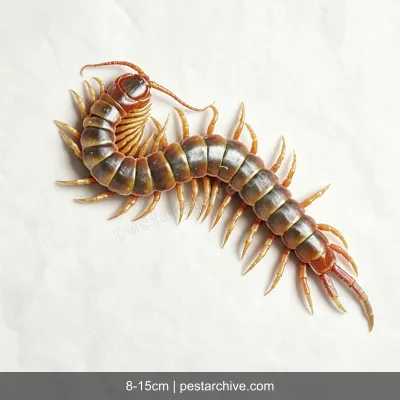
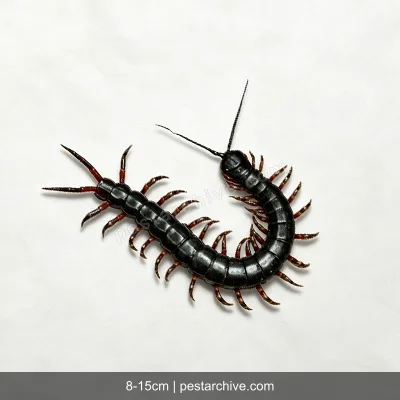
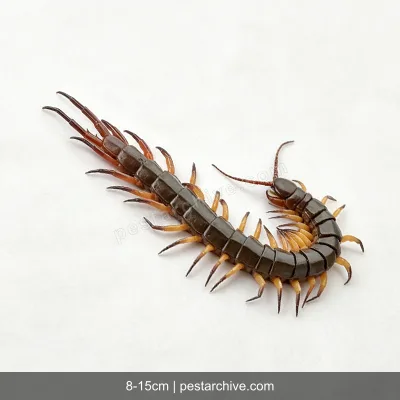
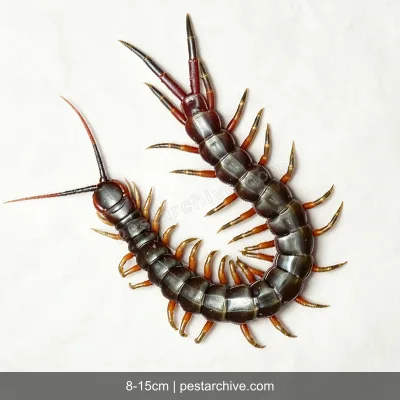
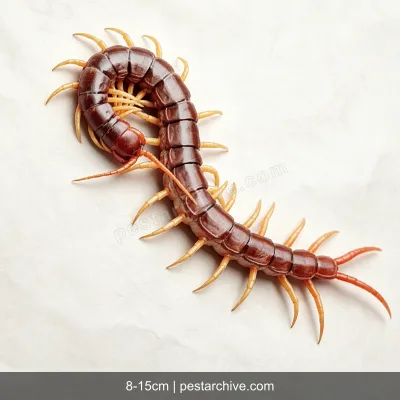
What to do if a centipede is found in the house?
If you find a centipede indoors, don't panic. Follow these steps to handle it safely.
Immediate response
- Do not pick it up with bare hands — centipedes bite actively, and their venom claws can pierce skin.
- Centipedes move quickly (up to 30-40 cm per second), so act swiftly.
- Use a broom and dustpan to sweep it out, or cover it with a piece of stiff cardboard and carry it outside.
- If you don't want to touch it, spray it directly with bifenthrin-containing household insecticide; it will die quickly.
- You can also stomp on it, but be careful not to get bitten.
Why do centipedes enter the house?
- The house is damp, with leaking pipes or a basement.
- There are piles of wood, stones, or leaves in the yard, providing hiding places.
- Other small insects (cockroaches, spiders, etc.) are present as food sources.
- They crawl in through gaps under doors or in walls.
Harm from centipedes
Centipedes bite, causing severe pain, redness, and swelling. If bitten, wash the wound with soap and water immediately, apply an ice pack to reduce swelling, and take pain relievers if needed. Although generally not life-threatening, children and allergic individuals are at higher risk; severe reactions require medical attention.
Follow-up
After dealing with the centipede, seal door and window gaps, reduce indoor humidity, and clear outdoor debris to prevent more from entering.