How to maintain the yard to prevent centipedes?
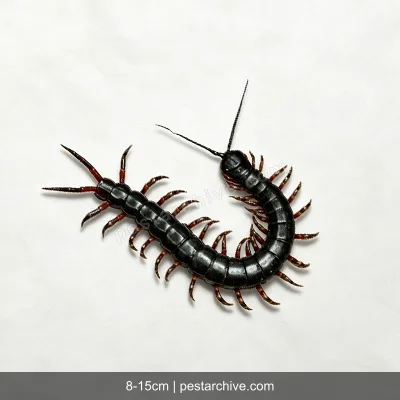
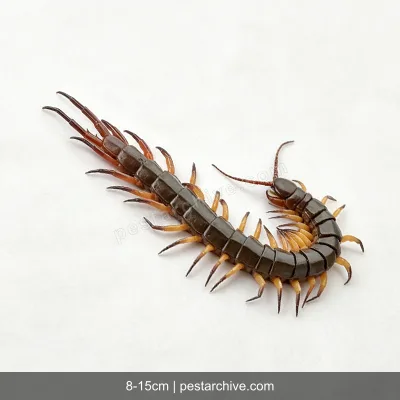
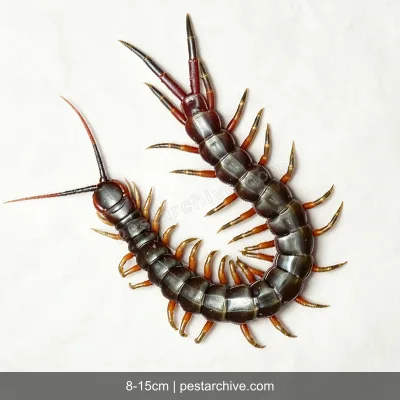
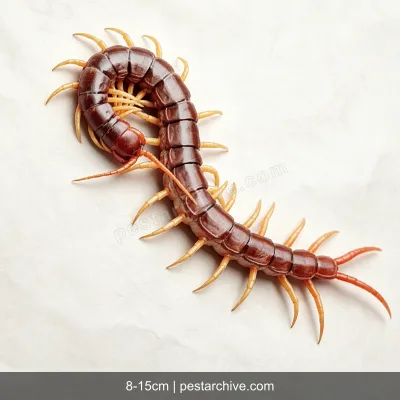
How to maintain the yard to prevent centipedes?
The yard acts as a transit point for centipedes entering the house. Proper yard maintenance reduces them at the source. The key is to eliminate hiding places and food sources.
Remove yard debris
- Bricks, tiles, and stones stacked against walls are favorite hiding spots; move them away from the wall or elevate them.
- Keep firewood and logs at least 30 cm away from the exterior wall.
- Turn unused flower pots and buckets upside down to prevent standing water and insect harborage.
- Regularly clean tool sheds and storage areas; do not leave clutter on the floor.
- Remove or discard old wood, metal sheets, and plastic sheeting promptly.
- Centipedes lay eggs in May-July; focus on yard clearing in late spring to reduce breeding opportunities.
Plant and lawn management
- Lawn — mow regularly to keep grass height below 10 cm. Dense, thick grass creates damp, dark conditions favorable for centipedes and their prey.
- Plants near walls — avoid dense planting along the foundation; leave a 30-50 cm clear zone.
- Leaf litter removal — sweep up leaf piles in corners promptly; do not leave dead branches around the foundation.
- Mulch — do not apply bark or straw mulch too thickly; turn it over periodically to prevent moisture buildup underneath.
Foundation and wall maintenance
- Fill foundation cracks with cement or expanding foam to prevent entry.
- Check exterior wall openings for air conditioner pipes and electrical conduits; seal gaps with foam.
- Keep drainage ditches clear to prevent leaf blockage and standing water.
Combine with chemical control
After yard cleaning, spray bifenthrin-containing household insecticide around the foundation, wall bases, and door frames to form a chemical barrier. Cleaning + spraying gives the best centipede prevention.