Where Do Cigarette Beetles Like to Breed?

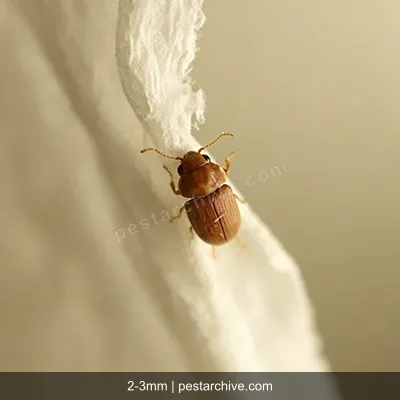
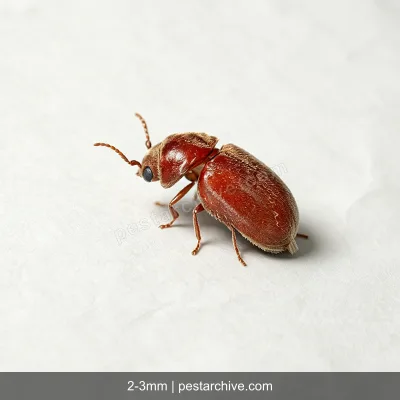
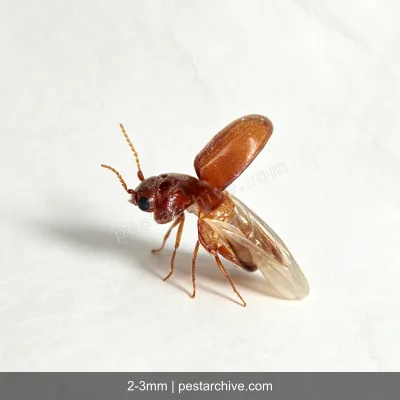
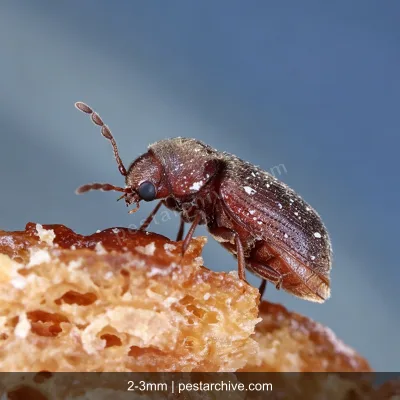
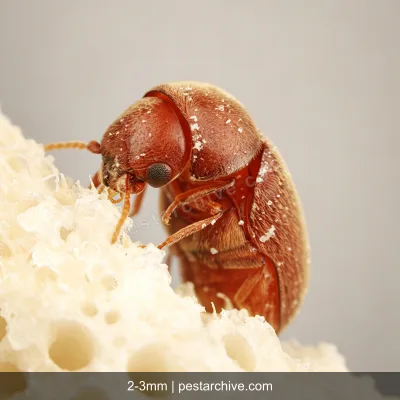
Where Do Cigarette Beetles Like to Breed?
Cigarette beetles prefer the following environments for breeding. Understanding these helps you target your prevention efforts.
Favorite Foods
Cigarette beetles are especially fond of dry plant-based foods, ranked as follows:
Chinese Medicinal Herbs (Worst Affected)
Red dates, goji berries, chrysanthemum flowers, Codonopsis root, Chinese angelica root, astragalus root, licorice, etc. These herbs are high in sugar and strongly aromatic, making them a powerful attractant to cigarette beetles. They are the most common infestation source found in homes.
Dried Fruit and Nuts
Walnuts, almonds, peanuts, sunflower seeds, pistachios, and other high-oil dried fruit are also favorites.
Tea
Especially loose tea leaves and any tea that has absorbed moisture. Cigarette beetle larvae can bore into the tea leaves and feed inside.
Spices
Dried chili peppers, Sichuan peppercorns, star anise, cinnamon, black pepper, etc. Many people don't realize spices can get infested.
Other
- Grain and flour
- Cookies, bread crumbs
- Pet food
- Dried flowers and plant specimens
- Tobacco and tobacco leaves
Ideal Breeding Conditions
- Temperature: 25–30°C (77–86°F) is optimal (below 20°C / 68°F, development slows; below 15°C / 59°F, breeding essentially stops)
- Food moisture content: 10–15% (dried herbs and dry goods are right in this range)
- Undisturbed environments (long-untouched storage cabinets are ideal locations)
How to Target Your Prevention
Based on cigarette beetle preferences, focus on protecting these two food categories:
Chinese Medicinal Herbs and Dried Fruit — the two most common entry points:
- Inspect immediately after purchase; don't put anything with worm-holes or powder into your cabinets
- For items that look clean, freeze at -18°C (0°F) for 48 hours first, then store in airtight containers
- Expensive herbs (ginseng, American ginseng, etc.) should go straight into the refrigerator — this keeps them fresh and pest-free
Tea and Spices — easily overlooked:
- For loose tea, also freeze first, then seal after purchase
- Buy spices in small packages; use them up quickly, don't hoard
- Dried chili peppers, Sichuan peppercorns, etc. can be stored long-term in the freezer
Routine Monitoring
- Quick-check storage cabinets every two weeks, focusing on food that hasn't been touched in a while
- Watch for small beetles crawling in cabinet corners or flying adults on countertops
- If you notice anything unusual (a stray adult or suspicious powder), immediately trace it to the source. The earlier you catch it, the less work it takes.