Found a Rove Beetle? Don't Squish It — Here's Why
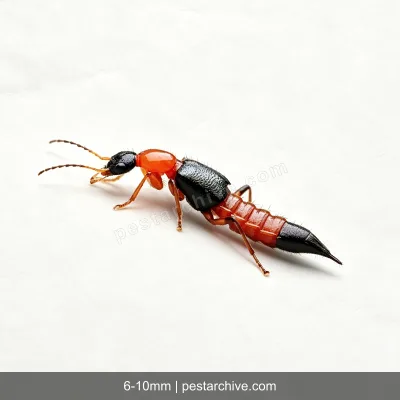
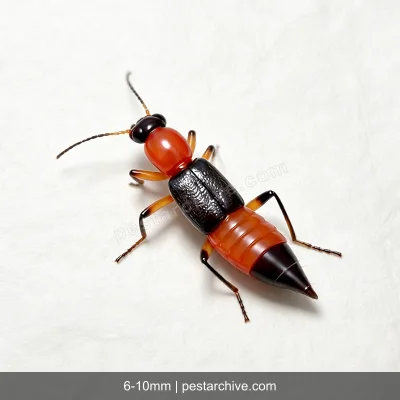
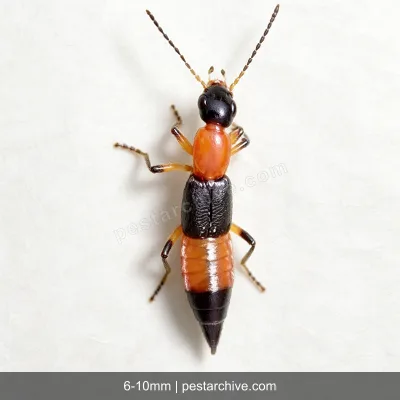
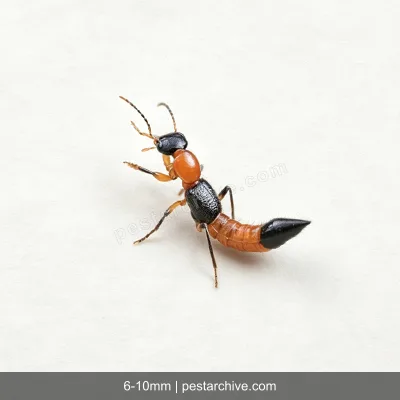
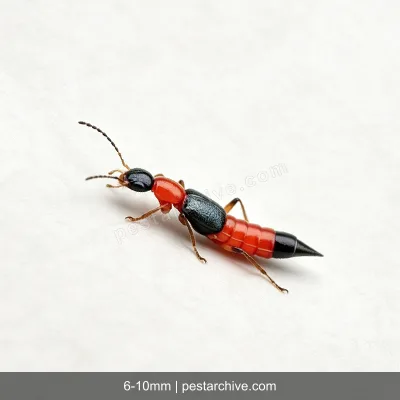
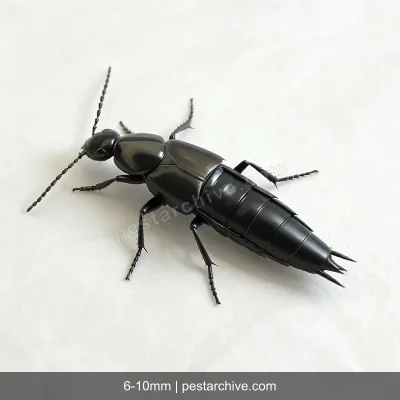
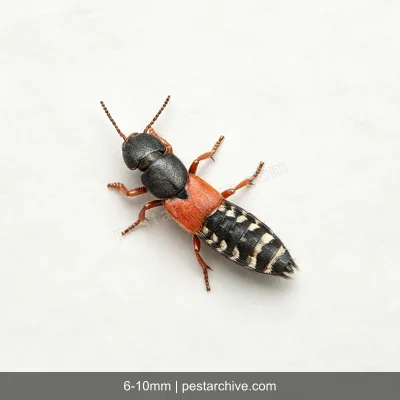
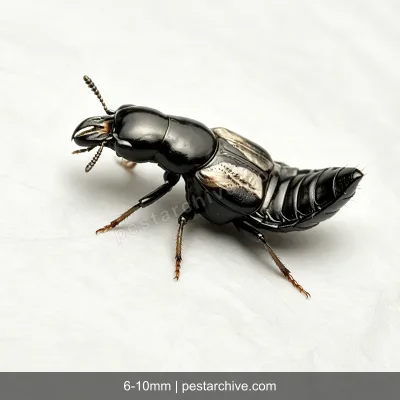
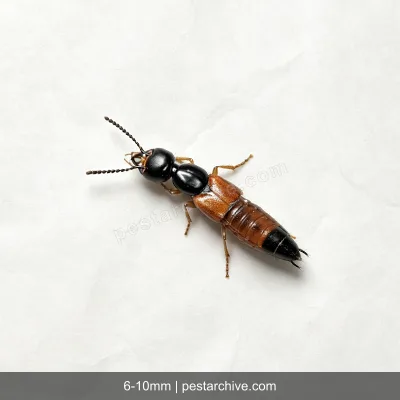
What to Do If a Rove Beetle Lands on You?
When a rove beetle lands on your skin, how you handle it is critical — never swat or crush it. If you do, its body fluids will burn your skin, causing a severe condition known as rove beetle dermatitis (paederus dermatitis).
Correct Steps
- Don't swat it — This is the most important rule. Swatting crushes the beetle and releases pederin (a potent acidic toxin) onto your skin, causing a burn-like dermatitis
- Gently blow it away — Blow gently on the beetle, or puff it away with your breath — it will fly off
- Flick it off with a tool — Use a tissue, a fan, or anything at hand to gently brush the beetle off
- Don't use bare hands — Even pinching it with your fingers can cause the skin on your fingertips to be burned and blister
What If You Already Swatted It?
- Rinse the affected area immediately with plenty of soapy water or plain water to dilute the toxin
- Don't use hot water — heat accelerates toxin absorption
- Don't wipe with alcohol — alcohol may help spread the toxin
- After rinsing, gently pat dry with a clean tissue
- Apply calamine lotion or a mild steroid cream (such as desonide cream) as soon as possible
Typical Symptoms of Rove Beetle Dermatitis
Symptoms appear 12-24 hours after contact:
- Red, streak-like or patchy rashes on the skin
- Small blisters or pustules on the red areas
- Intense burning or stinging sensation
- After healing, dark pigmentation may remain for months
- The dermatitis usually heals in 2-3 weeks; avoid scratching and sun exposure during recovery
Important Reminder
The pederin in rove beetle body fluids is extremely potent — a tiny droplet causes severe skin burns. During the active summer and fall season, sleep with window screens closed and avoid standing near windows with lights on, to keep rove beetles from flying in and landing on you.