Are House Spiders Dangerous?

Do House Spiders Bite?
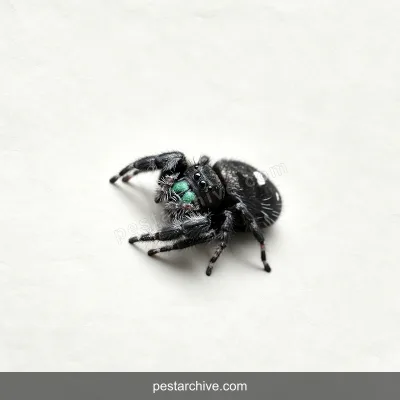
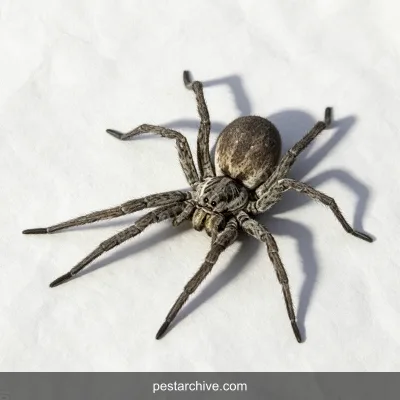
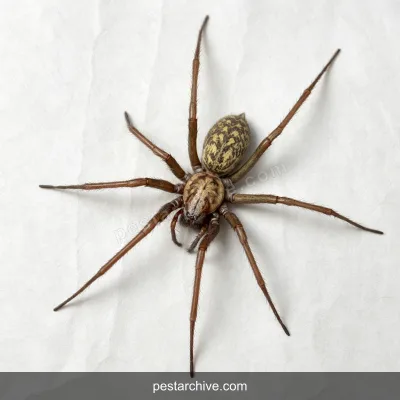
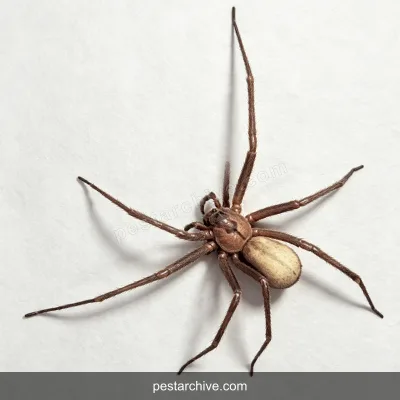
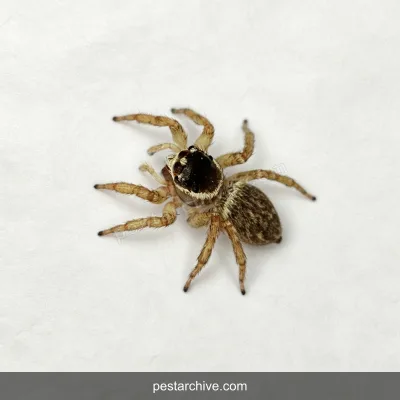
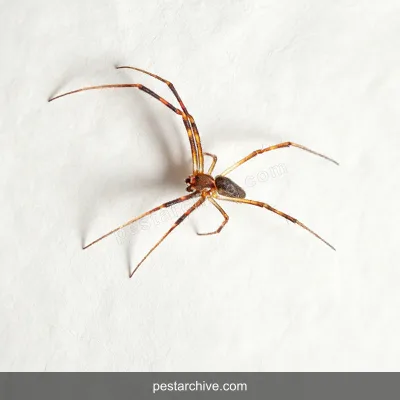
The vast majority of house spiders are shy and avoid people. They only bite when pressed against skin, trapped with no way out, or defending an egg sac. Common indoor spiders—like the giant house spider (Eratigena, about 7–10 mm body length), jumping spiders (5–9 mm), and wall spiders—have fangs so short (under 1 mm) they can barely pierce human skin.
The Reality of Spider Bites
- Spiders have poor eyesight. They can't tell people from furniture—they sense the world through vibrations.
- A spider's instinct is to flee, not fight. You're way too big to be worth attacking.
- Most reported "spider bites" turn out to be bites from other insects—rove beetles, bed bugs, fleas, and the like.
- Actual spider bites usually happen when someone puts on a shoe with a spider inside or reaches under a box where a spider is hiding.
What Happens If a Spider Does Bite You?
- Typical spider bite—Mild prickling, like a mosquito bite. A small red dot that fades within hours.
- Larger spider bite—Local redness and swelling with mild pain. Improves within a day with ice.
- Allergic reaction—In rare cases, sensitive people may have a broader reaction (wider swelling, rash).
How to Treat a Spider Bite
- Wash the bite with soap and water to prevent bacterial infection.
- Apply an ice pack to reduce swelling (10 minutes at a time).
- Do not try to suck venom out—that's a dangerous myth.
- Seek medical attention if you have trouble breathing, a full-body rash, or other signs of a serious allergic reaction.
How to Avoid Spider Bites
Shake out your shoes before putting them on. Wear gloves when handling stored boxes and items. Simple habits like these virtually eliminate the chance of a spider bite.