What to Do If a Spider Bites You
Are All House Spiders Venomous?
Nearly all spiders have venom glands and fangs—they need them to subdue prey. But the species found in homes produce venom that's extremely weak against humans and poses virtually no threat.
Spider Venom Basics
- Of the 50,000+ known spider species worldwide, only a tiny handful (like the black widow and brown recluse) have venom dangerous to people.
- Common urban spiders—giant house spiders, jumping spiders, orb weavers, funnel weavers—all have very weak venom.
- Many spiders have fangs too short or too fragile to even pierce human skin.
Safety of Common House Spiders
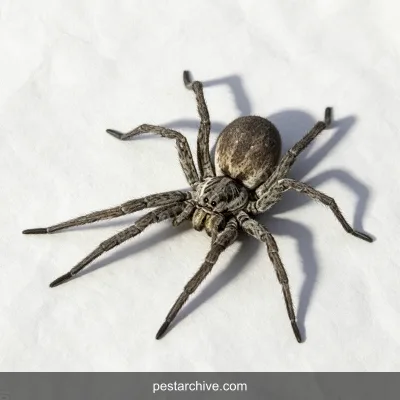
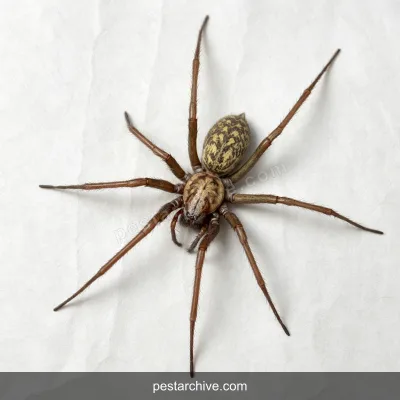
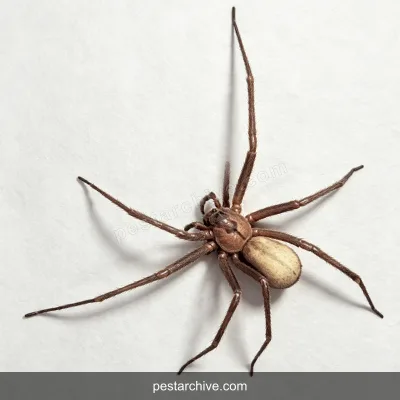
- Giant house spider—Big (leg span up to 10–15 cm) and fast, they look scary but are harmless. They hunt cockroaches—technically a beneficial guest.
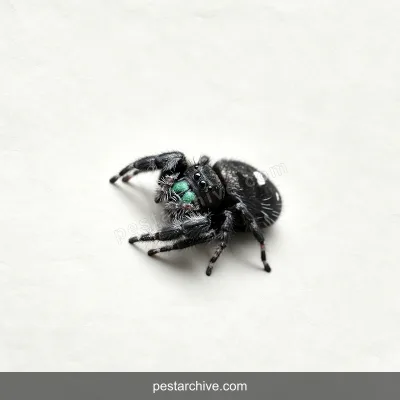
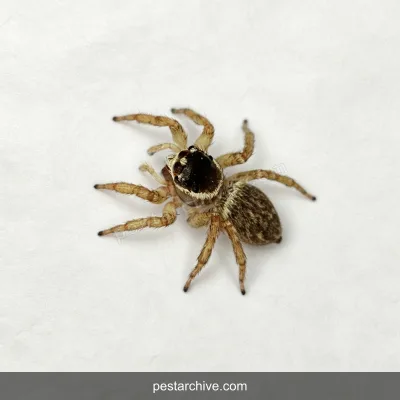
- Jumping spider—Small (5–9 mm), hops around on walls, completely harmless. They eat mosquitoes and gnats.
- Orb weaver—About 1–2 cm, spins round webs in window corners. Shy—they hide the moment you get close.
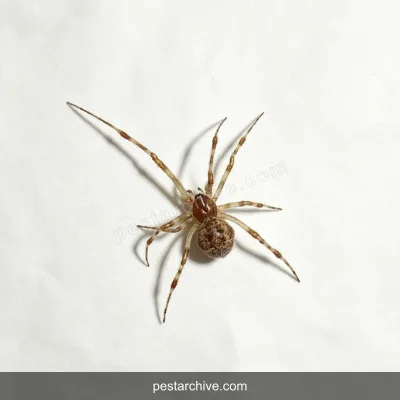
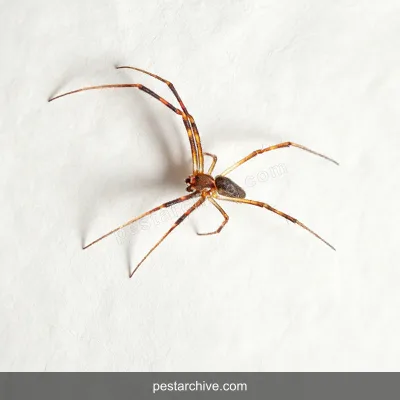
- Funnel weaver—8–15 mm, builds funnel-shaped webs in corners. Very mild venom, rarely bites.
Which Spiders Should You Watch Out For?
The truly concerning venomous spiders are very rare in urban homes:
- Black widow (Latrodectus tredecimguttatus)—Red hourglass marking on the abdomen, potent venom. Mostly found outdoors in the wild.
- Brown recluse (Loxosceles)—Violin-shaped marking on the back, venom can cause skin necrosis. Extremely rare in cities.
- Large tarantulas—Big, hairy spiders from tropical and desert regions. Not found in urban homes.
What If You Find a Spider You Don't Recognize?
If you're unsure whether a spider is harmful, don't touch it with bare hands. Sweep it outside with a broom and dustpan, or trap it under a cup and release it outdoors.