Do Bethylid Wasps Sting Humans?
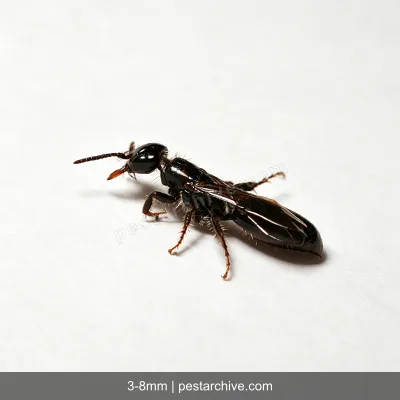
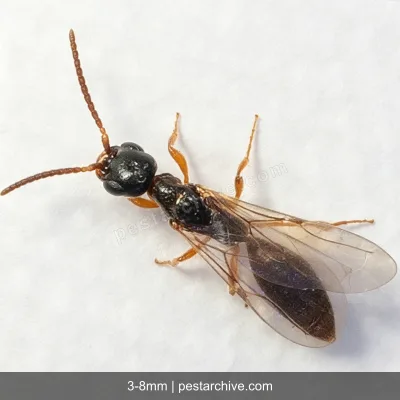
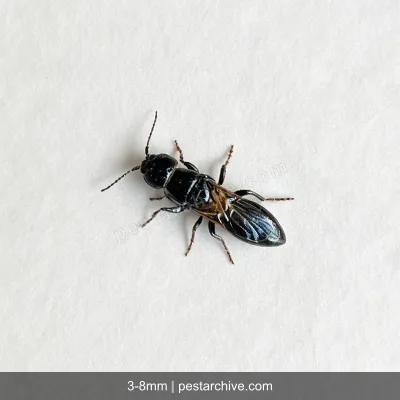
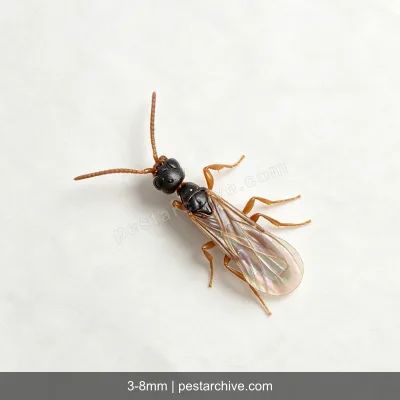
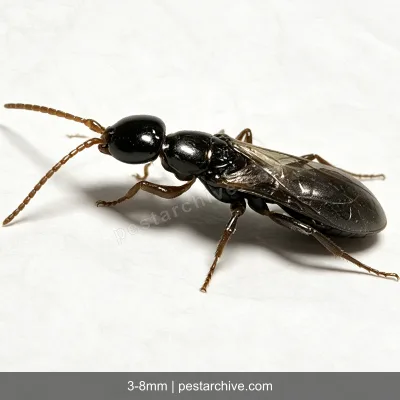
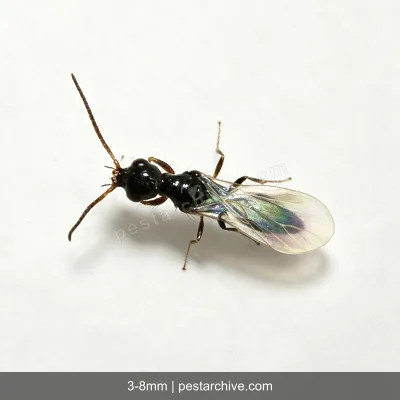
Do Bethylid Wasps Sting?
Bethylid wasps have a stinger and can indeed sting. A sting causes pain and redness — similar to an ant sting. However, bethylid wasps don't generally attack people. Most stings happen when a person's hand brushes against or presses on the wasp.
What a Sting Feels Like
- A sharp prick at the moment of the sting — pain level is similar to an ant sting
- The area around the sting becomes red and swollen, about 1-2 cm in diameter
- Itching and pain last for several hours to a day
- No special treatment is usually needed; an ice pack provides relief
Special Nature of the Venom
Bethylid wasp venom is primarily designed to paralyze their hosts (longhorned beetle larvae, etc.). For humans, it's very weak. Unlike honeybees, they don't have barbed stingers and can sting repeatedly, but their instinct is to flee, not to attack.
When Are You Most Likely to Get Stung?
- Grabbing a bethylid wasp with bare hands
- A wasp crawling into clothing and getting pressed against skin while dressing
- Rolling onto a wasp on the bed while sleeping
- Disturbing one while sorting through stacked boxes or firewood
What to Do If Stung
- Wash the sting site with soapy water
- Apply an ice pack to reduce swelling and pain (10-15 minutes at a time)
- Calamine lotion can be applied for itching
- Seek medical attention if you develop extensive swelling or an allergic reaction (such as a body-wide rash or difficulty breathing)
How to Avoid Stings
Don't swat or grab bethylid wasps with bare hands. Use a vacuum cleaner to suck them up or sweep them away with a broom. Wear gloves when handling stacked cardboard boxes or firewood.