How to Get Rid of Small Wasps Indoors
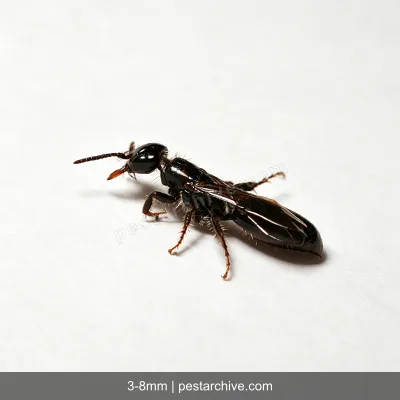
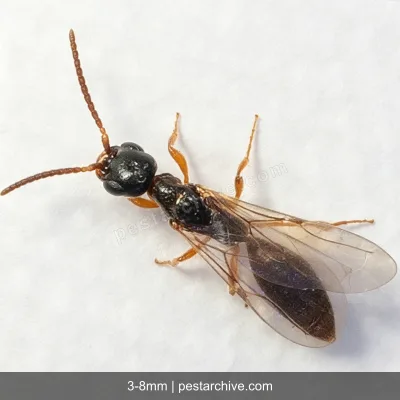
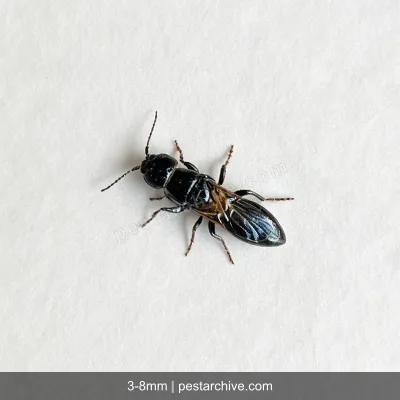
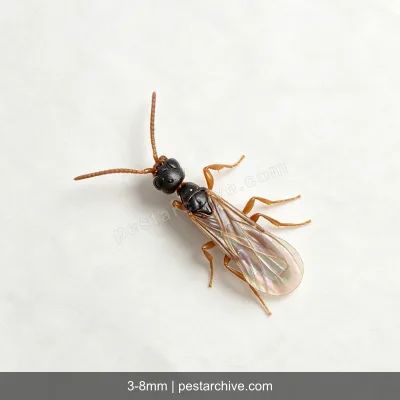
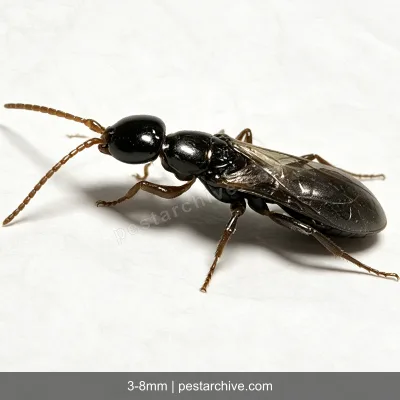
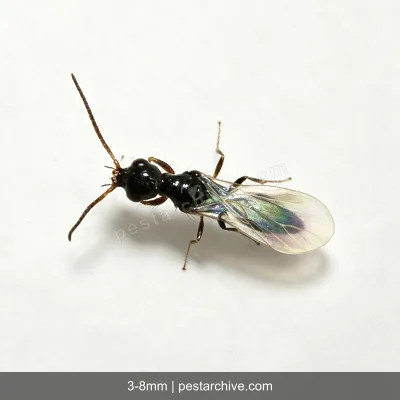
How Did Bethylid Wasps Get Into My House?
There are several ways bethylid wasps can enter your home. Understanding the source helps determine whether there's a more serious pest problem:
Scenario 1: Following Wood Borers (Most Common)
Bethylid wasp larvae need to parasitize the larvae of wood-boring insects (longhorned beetles, jewel beetles, etc.) to complete their development. So if you find bethylid wasps indoors, the first question to ask is: is there wood in the house infested with borers?
Possible situations include:
- Wooden furniture (especially softwoods like pine and oak) infested with wood borers
- Structural wood in the house (beams, floor joists, door frames) harboring borers
- Firewood brought indoors that contained infested wood
- Wooden crafts or decorative items with borer larvae inside
- Borers leave round exit holes 2-5 mm in diameter in the wood, often with fresh sawdust nearby
Female bethylid wasps enter borer tunnels, find the borer larva, and paralyze it with a sting before laying eggs on it. So they enter homes not to bother people, but to find suitable hosts for their offspring.
Scenario 2: Drifting in from Outdoors
- The yard or balcony has plants infested with borers, and bethylid wasps tracking them have spread indoors
- A neighbor has used bethylid wasps as biological control agents against borers (this is an actual agricultural practice), with a few stray wasps dispersing to your home
- Trees around the house are infested with borers like longhorned beetles, and the wasps spread out when their population grows
Scenario 3: Accidental Entry
Bethylid wasps are also attracted to light and can accidentally fly in through an open window at night — similar to a stray mosquito or moth flying in. In this case, there's no need to worry.
How to Determine the Situation
- Observe numbers — If it's just one or two, they probably flew in accidentally. If several keep appearing over many days, and consistently over time, there's likely an indoor borer source
- Observe direction — Note which area they're most active around. If they concentrate near a particular piece of wooden furniture, inspect that item carefully
- Inspect wooden furniture — Tap the wood surface and listen for hollow sounds. Check for small exit holes and sawdust on the surface.