Can You Eat Flour with Mites in It?
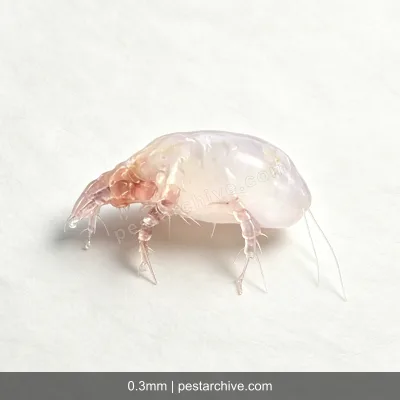
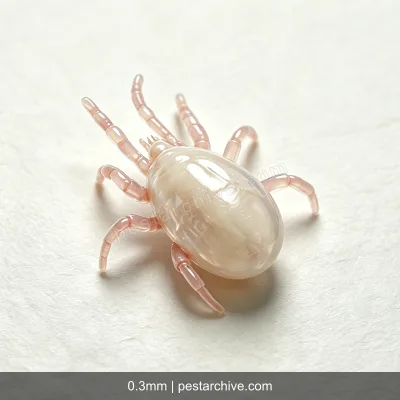
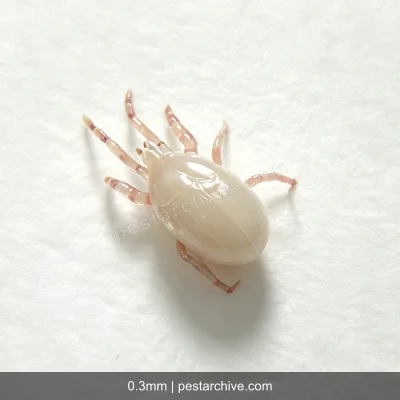
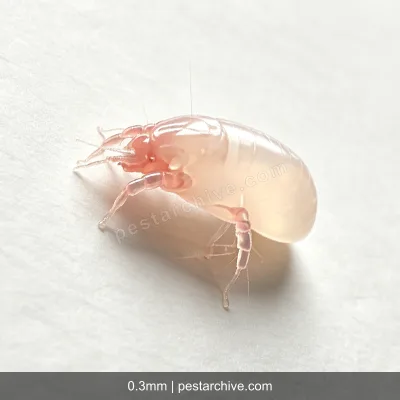
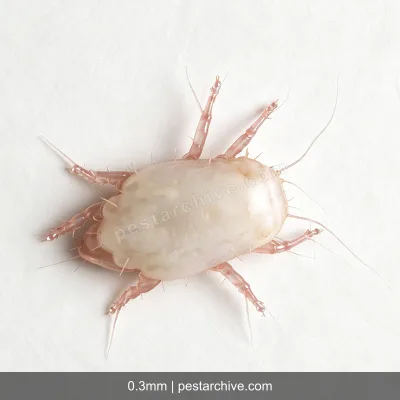
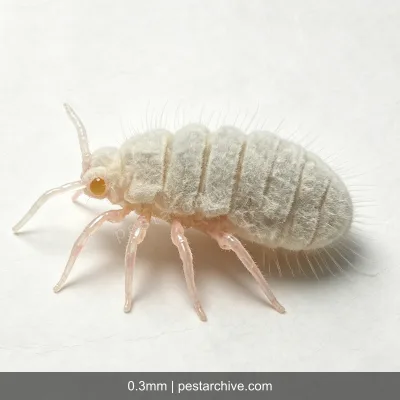
Do Flour Mites Bite?
Flour mites don't actively bite people and don't feed on blood. But many people think they've been "bitten" by flour mites — what's actually happening is an allergic reaction.
Why Flour Mites Don't Bite
Flour mites have chewing mouthparts designed for grinding grain powder, dried fruit bits, and other solid foods. They don't have the ability to pierce human skin. They're not blood-feeding insects and have no interest in human or animal blood.
So What Causes Those Red Bumps?
The red bumps on your skin are actually contact dermatitis caused by:
- Flour mite secretions — The saliva and waste they leave behind as they crawl contain irritating substances.
- Body contact — Flour mite body fragments and fine hairs touching sensitive skin can trigger itching.
- Allergic reactions — Some people are allergic to flour mite proteins and develop a rash on contact.
How to Tell Flour Mite Allergy from Mosquito Bites
- Flour mites: Scattered small red spots on the skin, not necessarily raised. The itching location isn't fixed. Often appears on multiple body parts after being at home.
- Mosquitoes: Raised red welts with a visible bite mark. Usually on exposed areas (hands, feet, face).
Flour Mites vs. Dust Mites
Many people confuse flour mites and dust mites, but their issues are different:
- Dust mites — Mainly in bedroom bedding. Cause respiratory allergies (rhinitis, asthma). Don't bite.
- Flour mites — Mainly in kitchen and food cabinets. Cause contact dermatitis (rash, itching). Also don't bite, but you're more likely to come into direct skin contact with them.
- If you have a skin rash and also find tiny bugs in your rice or flour, it's almost certainly flour mites, not dust mites.
Common Contact Scenarios
- Reaching into a flour mite-contaminated flour bag — your hand gets covered in mites and their secretions.
- Pillow or blanket contaminated with food crumbs — flour mites crawl onto your skin while you sleep.
- Kitchen counter has flour mites — your forearm touches the surface and develops a rash.
What to Do
- Change and wash all possibly contaminated bedding and clothing.
- Rinse your skin with lukewarm water. Don't scratch hard.
- Apply anti-itch cream to relieve symptoms.
- If the rash persists or becomes infected, see a doctor.
- Inspect your pantry and storage areas to find and get rid of the flour mite source.