What to do if there are flour mites everywhere in the house?
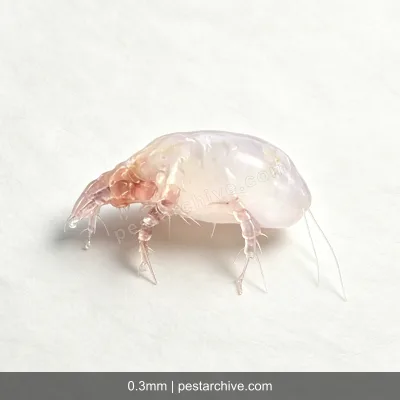
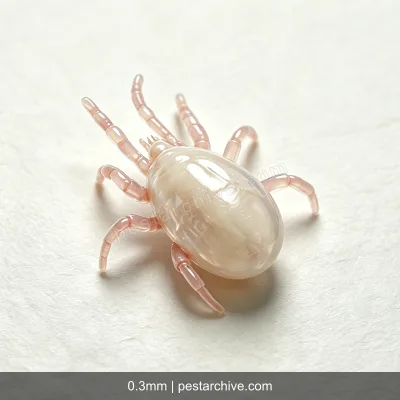
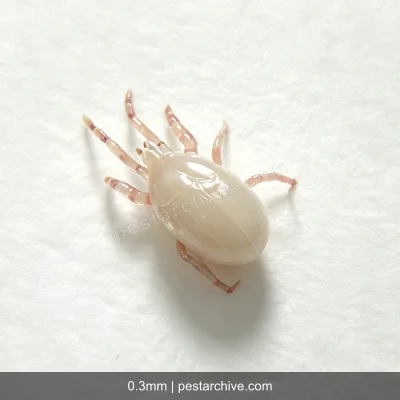
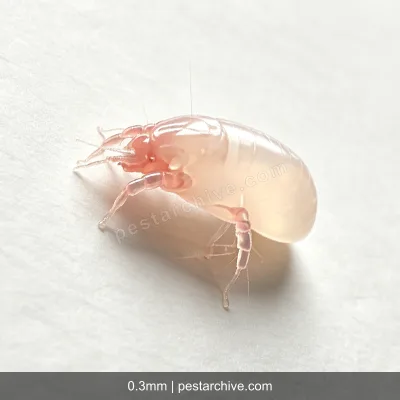
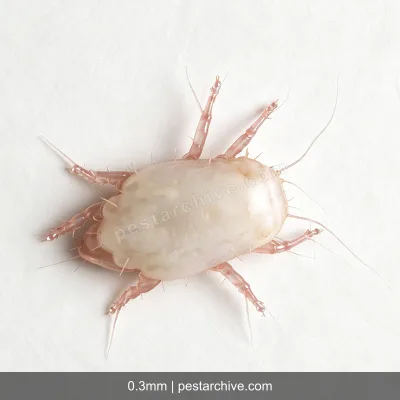
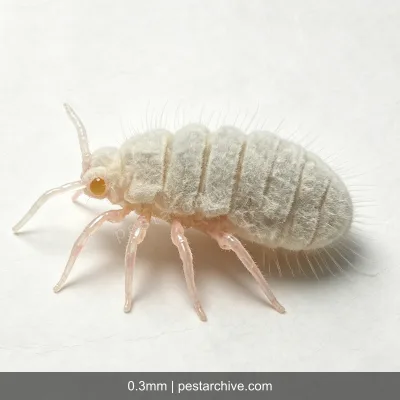
What to do if there are flour mites everywhere in the house?
Don't panic if flour mites are everywhere; follow these systematic steps:
Step 1: Find and remove the source (most critical)
Flour mites do not appear out of nowhere; there is always a concentrated breeding source. The most common sources include:
- Bags of rice or flour that have been open and stored for a long time.
- Improperly stored pet food.
- Expired dried goods, dried fruits, or crackers.
- Food debris scattered in cabinet corners.
Seal contaminated food in plastic bags and discard it in an outdoor trash bin—do not leave it indoors.
Protection during cleaning
It is recommended to wear a mask and gloves when cleaning up flour mites—disturbing infested food and cleaning cabinets can release large amounts of mite fragments and feces, which may cause sneezing, runny nose, or asthma if inhaled. Wash your hands and face with soap after cleaning.
Step 2: Thoroughly clean cabinets and storage areas
- Remove all food, inspect every item, and discard any with mites.
- Vacuum up debris and powder from cabinet corners, shelf seams, and hinges.
- Wipe cabinet interiors with a damp cloth and dish soap to remove residual mites and eggs.
- Leave cabinet doors open to air dry.
Step 3: Environmental protection
After cleaning, apply food-grade diatomaceous earth in the following areas:
- Kitchen baseboards and floor cracks.
- Inner corners of cabinets, shelf seams.
- Edges of storage room walls.
- Crevices between the refrigerator and cabinets.
Once dry, it forms a protective layer; crawling flour mites die upon contact.
Step 4: Humidity control
Flour mites reproduce rapidly at humidity levels above 60%. Use a dehumidifier or improve ventilation to keep humidity in the kitchen and storage area below 50%. This effectively prevents mite outbreaks.