How to Prevent Pantry Moths from Infesting Your Food
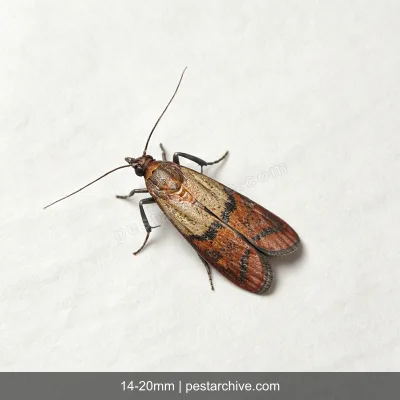
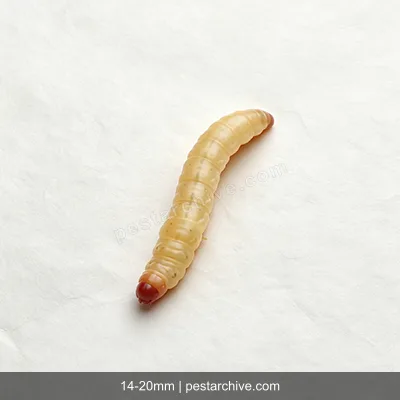
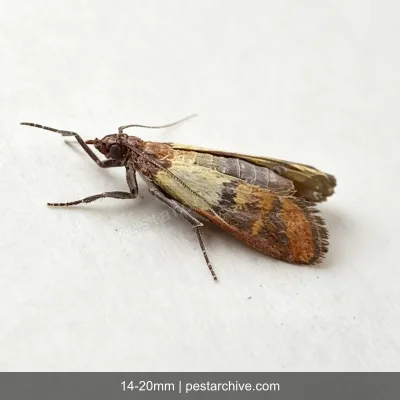
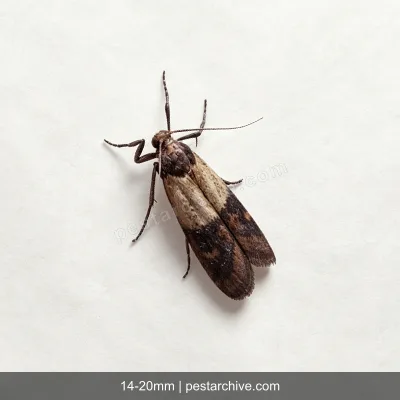
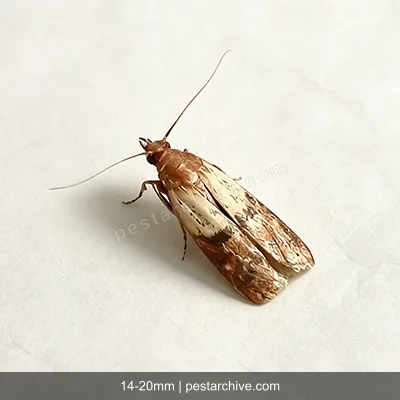
Why Are There Worms and Silk Webbing in My Flour and Rice?
If you find small worms and silk webbing in your flour or rice, that's the work of Indian meal moth larvae. The larvae spin silk as they feed, turning your food into a sticky mess.
Why Does This Happen?
Female Indian meal moths lay eggs on the surface of food or in packaging crevices. Once the eggs hatch, the larvae burrow directly into the food and start feeding. Their signature trait is spinning silk as they eat, gluing grains and flour into clumps. The webbing also contains the larvae's droppings — it really does look disgusting.
Specific Damage Caused by the Larvae
- Direct consumption — the larvae chew on rice grains, flour, dried fruit, etc., causing direct loss
- Silk webbing — binds food particles into sticky clumps, ruining the food
- Contamination — silk, droppings, and shed skins mix into the food
- Spreading contamination — larvae crawl along their silk trails to other foods and continue damaging them
- Pupation — when fully grown, larvae crawl up to wall corners and crevices to pupate; after emerging as moths they continue the cycle
Indian Meal Moth Larvae Have an Extremely Broad Diet
They're not picky — they'll eat almost any dry food:
- Rice, flour, millet, cornmeal
- Noodles, oatmeal
- Peanuts, sunflower seeds, walnuts
- Red dates (jujubes), dried longan, raisins
- Chocolate, candy
- Milk powder, pet food
- dried herbs
What to Do When You Find Them
- Seal any food with webbing and larvae in a plastic bag and throw it away immediately — don't leave it in the kitchen overnight
- Don't try to pick out the clean bits and keep the rest — silk webbing, eggs, and droppings are nearly impossible to remove completely
- Check all opened dry goods, including rarely-visited corners and deep cabinet spaces
- Clean cabinets: empty everything out → vacuum crevices → wipe with a damp cloth → let dry → then put items back
- Transfer uninfested but opened grain to airtight glass jars or food-grade plastic containers
- Freeze newly purchased mixed grains and dry goods at -18°C (0°F) for 48 hours to kill any hidden eggs
- Place Indian meal moth pheromone traps (sticky traps) in cabinet corners for ongoing monitoring and male moth trapping
Prevention Storage Tips
- Transfer grain to airtight containers right after purchase — don't leave it in original packaging
- Dry goods (dried chili peppers, dried mushrooms, dried longan, goji berries, etc.) should also be stored in sealed containers
- Don't stockpile too much grain — buy as you go is safest
- Periodically check stored foods by turning them over, especially anything unopened for more than a month
Important
Indian meal moth webbing causes grain to clump together. Even if you pick out the visible worms, you can't fully remove the silk and eggs. So don't hold onto infested food — if it has silk webbing, throw it out.