What Are the Best Mosquito Repellents That Actually Work?
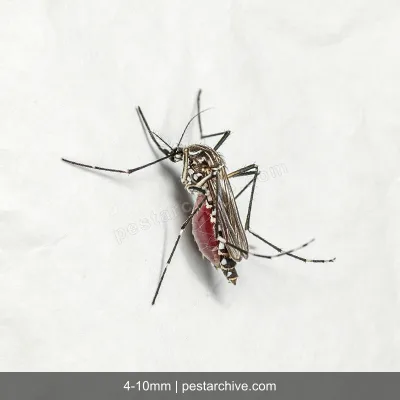
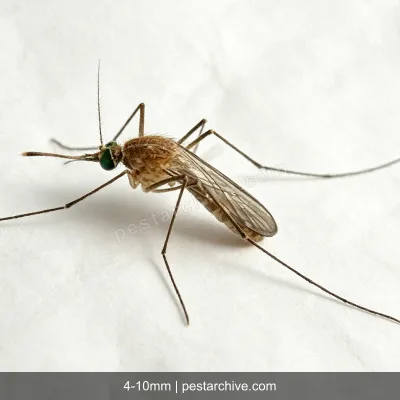
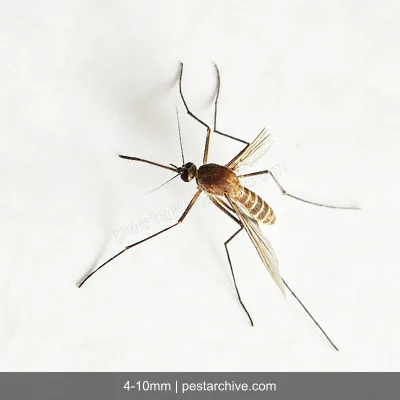
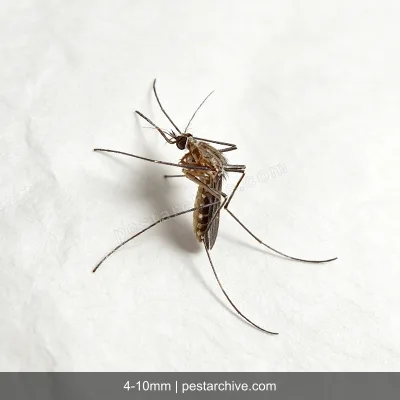
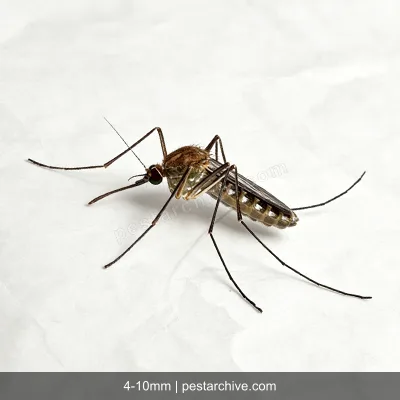
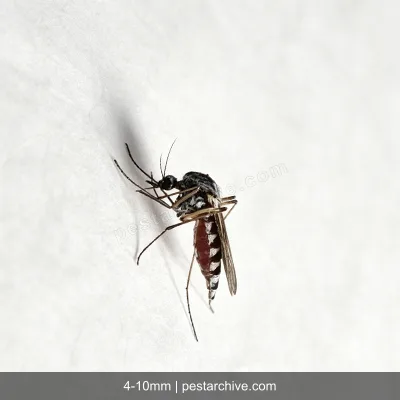
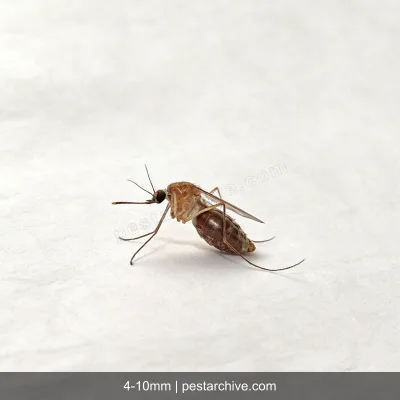
The mosquito repellent market is flooded with products that promise protection but deliver disappointment — citronella candles that mosquitoes ignore, ultrasonic wristbands with zero scientific backing, and "natural" sprays that evaporate in minutes. Meanwhile, the four repellents with real EPA-registered efficacy are often overlooked because they sound "chemical" or unfamiliar.
This guide cuts through the marketing noise and tells you exactly which repellents work, how to use them correctly, and which popular products you should skip entirely.
### The Four EPA-Approved Repellent Active Ingredients
After decades of testing, the U.S. Environmental Protection Agency has registered only four active ingredients as proven mosquito repellents safe for human use:
- DEET (N,N-diethyl-meta-toluamide)
- The gold standard since
- Decades of data confirm its safety and efficacy.
- Concentration matters: 20% protects for ~3 hours; 30% for ~6 hours; 50% for up to 12 hours. Going above 50% adds minimal duration but increases skin absorption.
- Apply to exposed skin only — not under clothing. Wash off when you return indoors.
- Safe for children over 2 months (use 10–30% concentration). Never apply to infants' hands or faces.
- Downside: can damage plastics, synthetic fabrics, and leather. Has a distinctive odor some people dislike.
- Picaridin (icaridin / KBR 3023)
- Introduced in the 2000s as a DEET alternative. Comparable efficacy at equal concentrations.
- 20% picaridin provides ~8 hours of protection against mosquitoes.
- Odorless, non-greasy, does not damage plastics or fabrics — significantly more pleasant to use than DEET.
- Safe for children over 6 months in most jurisdictions.
- Widely available in Europe and increasingly in North America.
- IR3535 (Ethyl butylacetylaminopropionate)
- Developed in Europe (used in Avon Skin So Soft Bug Guard Plus).
- Effective against mosquitoes, ticks, and biting flies — roughly 6–8 hours at 20% concentration.
- Extremely gentle on skin — one of the best options for people with sensitive skin or young children.
- Less widely available in the U.S.; more common in European and Asian markets.
- Oil of Lemon Eucalyptus (OLE / PMD)
- The only plant-derived active with EPA registration for repellent efficacy. NOT the same as "lemon eucalyptus essential oil" — OLE is a refined extract (PMD) with proven concentration.
- 30% OLE provides ~6 hours of protection.
- Not approved for children under
3.
- Scented — some people enjoy the citrus aroma, others find it strong.
### Products That Do NOT Work (or Work Poorly)
Despite popularity, these have been repeatedly shown to provide negligible or no real protection:
- Citronella candles and torches — reduce landing rates by roughly 0% to 8% in controlled studies. A breeze disperses the vapor immediately.
- Ultrasonic repellers (wristbands, plug-ins) — zero efficacy in every independent test ever conducted. Mosquitoes do not hear the frequencies these devices emit.
- Garlic supplements — no measurable effect on mosquito biting rates.
- Vitamin B1 (thiamine) patches — debunked in multiple clinical trials.
- Essential oil blends without OLE — lavender, peppermint, lemongrass, and tea tree oil provide <20 minutes of protection and are not EPA-registered.
### How to Apply Repellent Correctly
- Apply only to exposed skin and the outer surface of clothing.
- Do not apply under clothing — sweat traps the chemical against your skin, increasing absorption.
- Do not apply to cuts, wounds, or irritated skin.
- Do not apply to children's hands (they put their hands in their mouths).
- Wash off with soap and water when you return indoors.
- If using sunscreen, apply sunscreen first, then repellent on top. Do not use combined sunscreen/repellent products — sunscreen needs more frequent reapplication, which leads to repellent overexposure.
### Repellent for Clothing and Gear: Permethrin
Permethrin is not a repellent — it is an insecticide that kills mosquitoes and ticks on contact. It is applied to clothing, tents, nets, and gear (never to skin).
- Buy pre-treated clothing (Insect Shield brand) or treat your own with permethrin spray (Sawyer, Repel).
- Treatment lasts through 6 washings (spray-on) or 70 washings (factory-treated).
- Ideal for hiking, camping, and working outdoors in high-risk areas.
### Choosing the Right Repellent for Your Situation
| Situation | Best Choice | Reason |
|-----------|------------|--------|
| Backyard barbecue (2–3 hrs) | 20% picaridin spray | Pleasant, odorless, sufficient duration |
| Evening jog (1 hr) | 20% DEET or picaridin | Quick, reliable |
| All-day hike or camping | 30–50% DEET or permethrin-treated clothing | Longest protection |
| Sensitive skin / young children | 20% IR3535 | Gentlest formulation |
| Prefer plant-based | 30% OLE (oil of lemon eucalyptus) | Only EPA-approved plant option |