What Mosquito-Borne Diseases Should You Worry About?
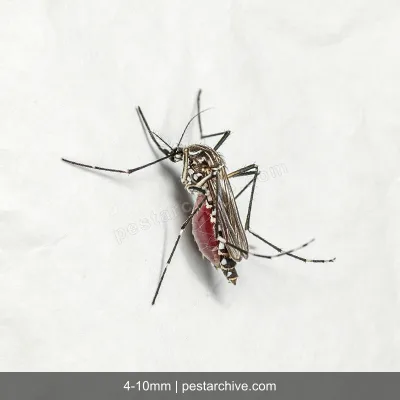
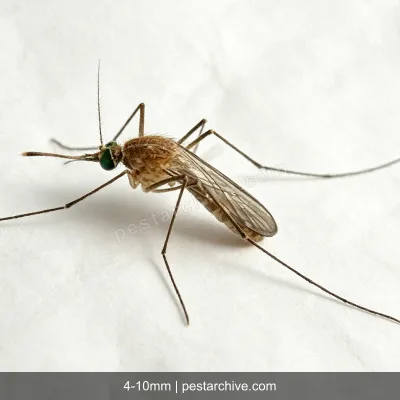
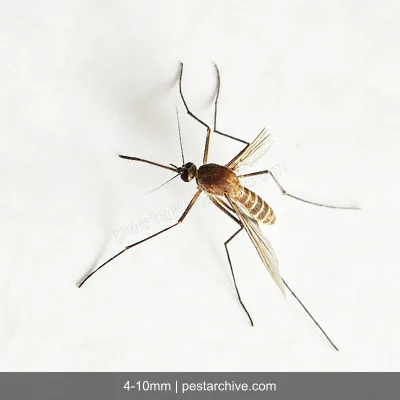
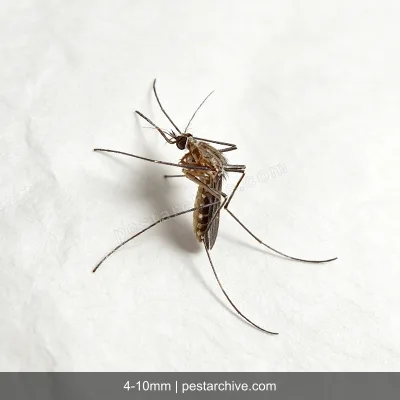
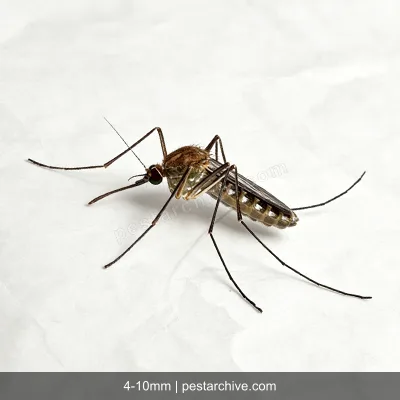
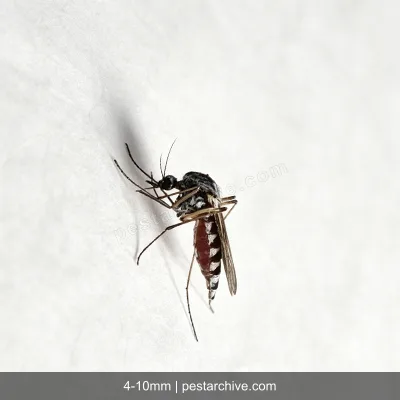
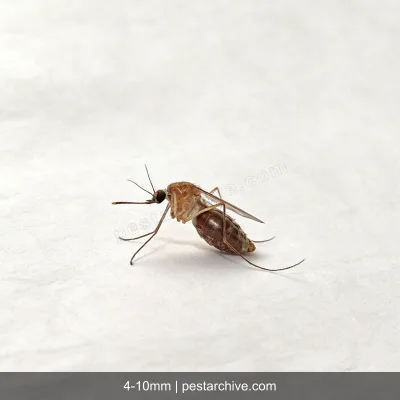
Mosquitoes kill more humans than any other animal on Earth — an estimated 700,000+ deaths per year, primarily from the diseases they transmit. Understanding which mosquito-borne diseases are active in your region, how they spread, and what symptoms to watch for is essential for protecting yourself and your family.
### How Mosquitoes Transmit Disease
Not every mosquito carries disease — only infected females of specific vector species do. The transmission cycle works like this:
- A female mosquito bites an infected person or animal and ingests the pathogen along with the blood.
- The pathogen develops inside the mosquito over days (the "extrinsic incubation period").
- When the mosquito bites the next person, it injects saliva containing the pathogen through its proboscis.
- The newly infected person may or may not develop symptoms, but can become a reservoir for the next mosquito that bites them.
### Major Mosquito-Borne Diseases by Region
Global / Tropical:
Malaria
- Vector: *Anopheles* mosquitoes (night-biting, rural and urban)
- Pathogen: *Plasmodium* parasites (5 species; *P. falciparum* most deadly)
- Symptoms: Cyclical fever (every 48–72 hours), chills, headache, nausea, anemia. Can progress to cerebral malaria (confusion, seizures, coma) — fatal without treatment.
- Prevention: Antimalarial prophylaxis for travelers; insecticide-treated bed nets; indoor residual spraying with pyrethroids; source reduction.
- Treatment: Artemisinin-based combination therapy (ACT). Seek treatment immediately — delay dramatically increases mortality.
Dengue Fever
- Vector: *Aedes aegypti* and *Aedes albopictus* (day-biting, urban)
- Symptoms: High fever, severe headache, retro-orbital pain, joint/muscle pain ("breakbone fever"), rash, mild bleeding. A second infection with a different serotype can trigger severe dengue (dengue hemorrhagic fever) — plasma leakage, hemorrhage, shock.
- Prevention: Source reduction; daytime repellent use; community cleanups; vaccine (Qdenga) in endemic areas for previously infected children.
- Treatment: No specific antiviral. Supportive care — acetaminophen for fever (avoid aspirin/ibuprofen); IV fluids for severe cases.
Zika Virus
- Vector: *Aedes aegypti* and *Aedes albopictus* (day-biting)
- Symptoms: Usually mild — fever, rash, joint pain, conjunctivitis. 80% of infections are asymptomatic.
- Critical risk: Microcephaly and severe birth defects when a pregnant woman is infected. Also linked to Guillain-Barré syndrome.
- Prevention: Same as dengue — source reduction, daytime repellent. Pregnant women should avoid travel to Zika-endemic areas.
- Treatment: No specific treatment. Supportive care only.
Chikungunya
- Vector: *Aedes aegypti* and *Aedes albopictus* (day-biting)
- Symptoms: Sudden high fever and severe, debilitating joint pain that can persist for months or years. Rash, headache, nausea.
- Prevention: Source reduction, daytime repellent.
- Treatment: No specific antiviral. Pain management with acetaminophen or NSAIDs (after dengue is ruled out — NSAIDs worsen dengue bleeding risk).
North America / Temperate Regions:
West Nile Virus
- Vector: House Mosquitoes (*Culex* species, night-biting)
- Symptoms: 70–80% asymptomatic. 20% develop West Nile fever (fever, headache, body aches, rash). <1% develop neuroinvasive disease (encephalitis, meningitis, acute flaccid paralysis) — can be fatal or leave permanent disability.
- Prevention: Evening repellent use; source reduction; community vector control.
- Treatment: No specific treatment. Supportive care; hospitalization for neuroinvasive cases.
Eastern Equine Encephalitis (EEE)
- Vector: *Culiseta melanura* (bird-to-bird) bridged to humans by *Coquillettidia* and *Aedes* species
- Symptoms: Rare but extremely severe — 33% mortality for symptomatic cases. Sudden onset fever, headache, then rapidly progresses to encephalitis (confusion, seizures, coma).
- Prevention: Avoid outdoor activity at dusk/dawn in affected areas; aggressive repellent use.
- Treatment: No specific treatment. Intensive supportive care only.
St. Louis Encephalitis (SLE)
- Vector: *Culex* mosquitoes
- Symptoms: Most infections asymptomatic. Elderly at highest risk for encephalitis. Fever, headache, nausea, in severe cases: confusion, tremors, coma.
- Prevention: Same as West Nile.
- Treatment: Supportive care only.
Japanese Encephalitis
- Vector: *Culex tritaeniorhynchus* (rural, rice-paddy areas)
- Region: Asia-Pacific (China, India, Southeast Asia, Japan)
- Symptoms: Most asymptomatic. 1 in 250 symptomatic cases progresses to severe encephalitis — 20–30% mortality, 30–50% of survivors have permanent neurological damage.
- Prevention: Vaccine available (IXIARO). Recommended for travelers to rural endemic areas during transmission season.
- Treatment: Supportive care.
### Universal Prevention Principles
Regardless of which disease is prevalent in your area:
- Eliminate breeding sites — standing water is the common denominator for all mosquito vectors.
- Use EPA-registered repellents — DEET, picaridin, IR3535, or OLE.
- Wear permethrin-treated clothing for high-risk outdoor exposure.
- Install insect screens on all windows and doors.
- Use bed nets (permethrin-treated) when sleeping outdoors or in unscreened rooms.
- Know local risk — check your health department's surveillance data for active disease reports.
- Seek medical care for suspicious symptoms — fever with headache, joint pain, rash, or any neurological signs after mosquito exposure.