How to Prevent Mosquito Breeding in Your Yard
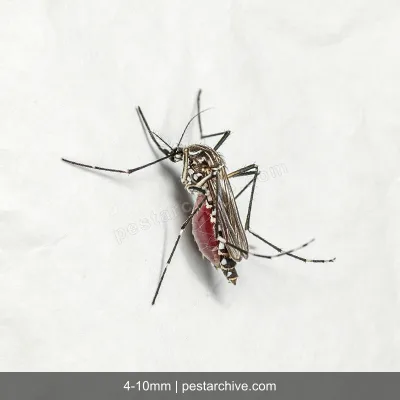
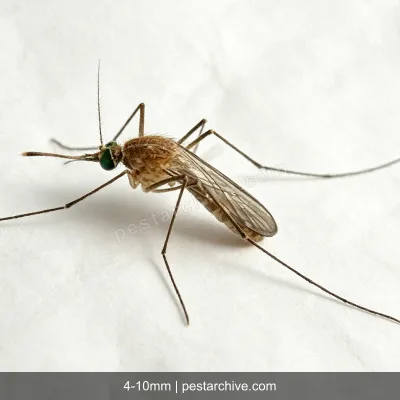
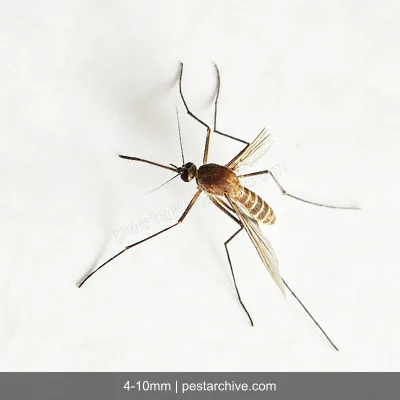
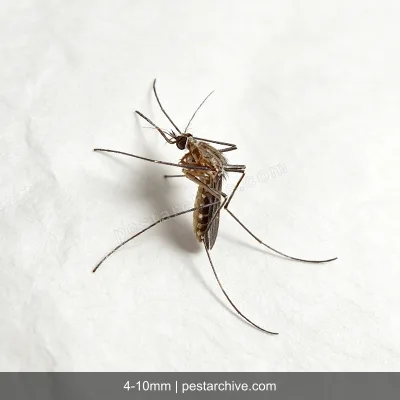
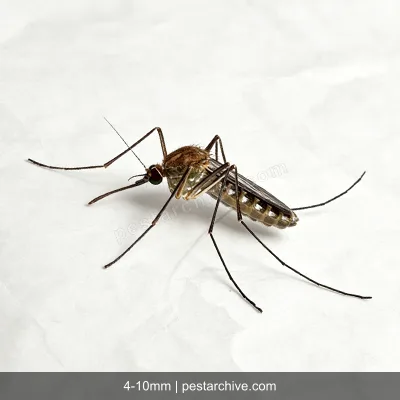
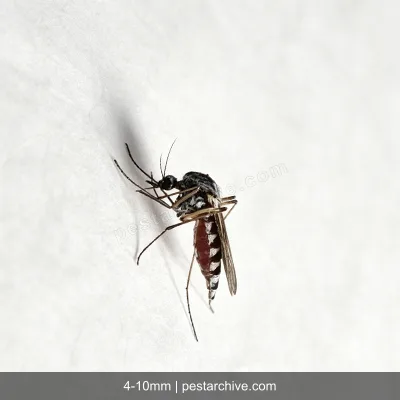
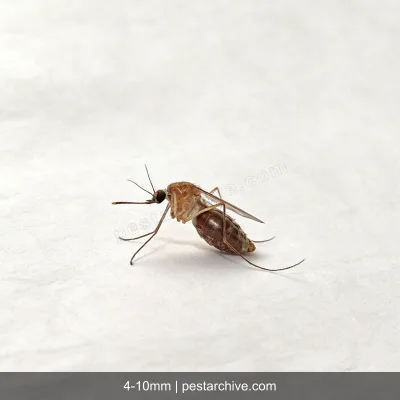
Every mosquito that bites you in your backyard almost certainly hatched within 200 meters of where you are standing. That means the mosquitoes tormenting your family are not some distant swarm — they are your own local population, bred on your property or your neighbor's.
Preventing mosquito breeding in your yard is the single most powerful thing you can do to reduce biting pressure around your home. No repellent, no trap, no fogging campaign can match the impact of systematic source reduction.
### How House Mosquitoes Breed
House Mosquitoes (*Culex pipiens*) and Asian Tiger Mosquitoes (*Aedes albopictus*) follow different breeding patterns, but both exploit standing water:
- House Mosquitoes prefer larger, polluted water bodies — clogged gutters, stagnant birdbaths, unmaintained swimming pools, storm drains, and roadside ditches. They lay egg rafts (100–300 eggs per raft) directly on the water surface.
- Asian Tiger Mosquitoes prefer small, clean containers — flower-pot saucers, bottle caps, tire swings, pet bowls, and discarded cups. They glue individual eggs to container walls above the waterline; eggs survive dry periods and hatch upon rehydration.
Both species go from egg to adult in 7–10 days under warm conditions. A single overlooked container can produce hundreds of biting adults per week.
### The Yard Inspection Checklist
Walk your property thoroughly every 5–7 days and address every item below:
Containers and debris:
- Empty flower-pot saucers, or fill them with sand instead of water.
- Discard or recycle old tires — the #1 breeding site for Asian Tiger Mosquitoes in urban areas.
- Store buckets, wheelbarrows, and watering cans upside down or indoors.
- Check children's toys, swing seats, and wading pools for trapped water.
- Remove fallen leaves, branches, and yard waste that can hold moisture.
Water features:
- Change birdbath water at least twice a week.
- Stock ornamental ponds with mosquito-eating fish (gambusia/minnows) or treat with Bti larvicide.
- Run fountain pumps regularly — moving water deters egg-laying.
- Clean pool filters and maintain chlorine levels; cover pools when not in use.
Gutters and drainage:
- Clean gutters and downspouts at least twice a year (spring and fall). Clogged gutters are one of the most productive — and most commonly overlooked — mosquito breeding sites.
- Ensure downspouts direct water away from the foundation, not into puddles.
- Check French drains and catch basins for standing water; flush if needed.
Structural items:
- Cover rain barrels with tight lids and fine-mesh insect screens.
- Drill drainage holes in trash cans and recycling bins.
- Check boat tarps, grill covers, and furniture covers for pooled water.
- Inspect window wells, basement stairwells, and sump-pump pits.
Vegetation:
- Trim overgrown shrubs and hedges near the house — mosquitoes rest in shaded foliage during the day.
- Keep grass mowed below 4 inches.
- Remove invasive bamboo or dense ground cover that traps water and provides harborage.
- Fill tree holes with expanding foam or sand — rot-cavity water is a natural breeding site.
### Larvicide for Water You Cannot Eliminate
For permanent or semi-permanent water features where source reduction is impractical:
- Bti briquettes or granules — *Bacillus thuringiensis israelensis* kills mosquito larvae specifically. Safe for fish, birds, pets, and humans. Apply every 2–4 weeks during breeding season.
- Monomolecular films — spread a thin surface film on standing water to prevent larvae from breathing at the surface. Effective in small containers and ponds.
- Never apply conventional insecticide sprays to water — they harm aquatic life, pollute groundwater, and are illegal in many jurisdictions when applied to standing water.
### Adult Mosquito Management in the Yard
Source reduction reduces future mosquitoes. For immediate relief from existing adults:
- Barrier sprays. Apply permethrin or deltamethrin to vegetation around the yard perimeter. Professional application creates a residual film that kills mosquitoes resting on treated leaves for 2–4 weeks.
- Mosquito lamps. Place UV-emitting mosquito lamps at the perimeter of the yard, away from human activity areas. They attract and kill night-flying mosquitoes but are less effective against daytime *Aedes* species.
- Carbon dioxide bait stations. Devices like the Mosquito Magnet emit CO2 and heat to attract and trap female mosquitoes seeking a blood meal. Effective in larger yards but require consistent maintenance.
### Community-Level Action
Because House Mosquitoes can fly 1–2 km and Asian Tiger Mosquitoes ~200 m, individual property efforts alone may not be sufficient. Coordinate with neighbors:
- Organize a neighborhood cleanup day targeting streets, ditches, and shared spaces.
- Report unmaintained pools, construction sites, and abandoned properties to the local health department — these can produce mosquitoes by the thousands.
- Support local vector control programs that conduct surveillance and targeted treatments.