Why Do Mosquitoes Bite Some People More Than Others?
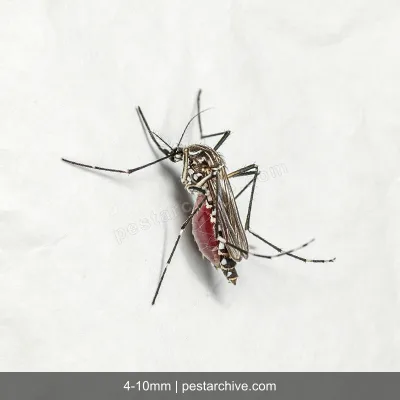
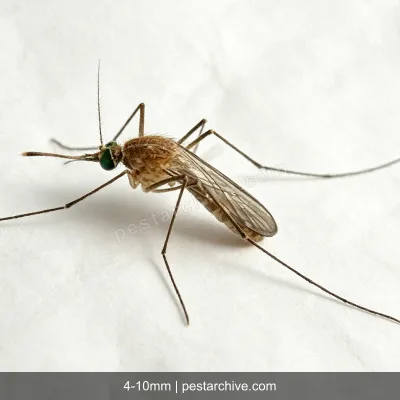
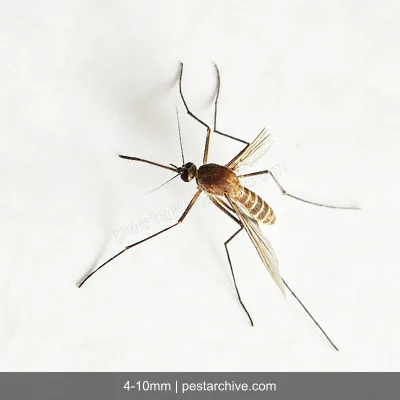
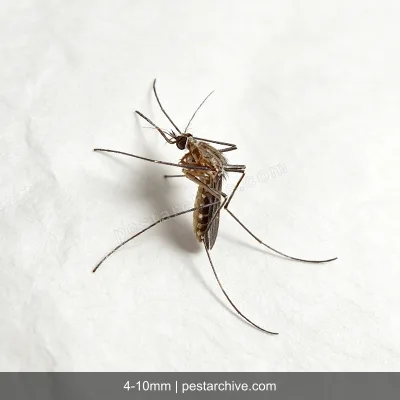
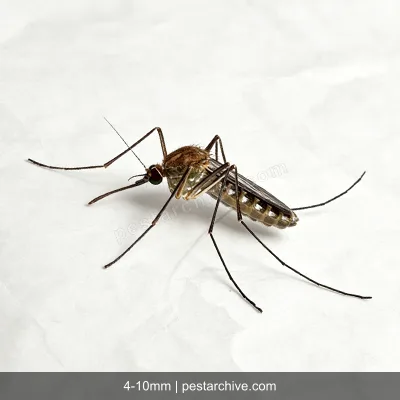
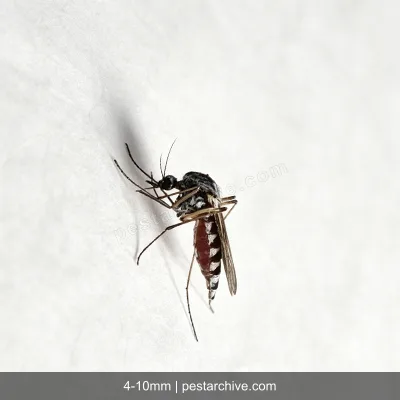
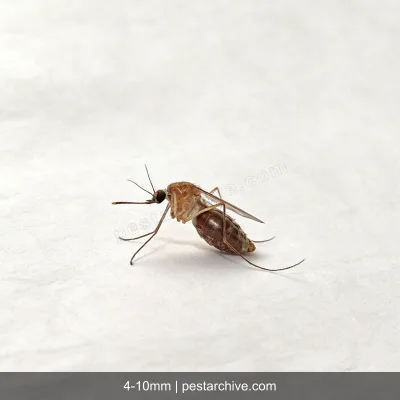
It is one of the most universal complaints of summer: you and your friend sit on the same porch, and within ten minutes you are covered in bites while they have none. Is it your blood type? Your perfume? Something you ate?
The answer is a combination of genetics, body chemistry, and behavior — and while you cannot change your DNA, understanding what makes you a magnet gives you leverage to reduce your risk.
### Factor 1: Carbon Dioxide Output
Mosquitoes detect CO2 from up to 50 meters away using specialized receptors on their antennae. It is their primary long-range cue for finding a blood meal.
- Larger people exhale more CO2 and are bitten more often — adults get more bites than children, and bigger adults get more than smaller ones.
- Pregnant women exhale about 21% more CO2 than non-pregnant women of similar size, making them significantly more attractive to mosquitoes.
- Exercising increases your metabolic rate and CO2 output dramatically. A jogger is a beacon for every mosquito within 50 meters.
### Factor 2: Body Heat
After CO2 draws mosquitoes close, they use thermal sensors to locate warm bodies. People with higher body temperature — whether from exercise, fever, or natural variation — attract more landings. This is why mosquitoes often bite ankles and feet first: those areas are cooler than the torso but still detectably warm, and they are closest to the ground where mosquitoes approach.
### Factor 3: Skin Microbiome (Skin Bacteria)
Your skin is home to billions of bacteria, and the specific mix on your body produces volatile compounds that mosquitoes either love or ignore.
A landmark 2011 study at Wageningen University found that men with higher diversity of skin bacteria were *less* attractive to *Anopheles* mosquitoes (malaria vectors), while men with low-diversity but high-density populations of certain bacteria (especially *Brevibacterium* and *Staphylococcus*) were significantly *more* attractive.
This means that your individual bacterial signature — determined by genetics, hygiene, diet, and environment — is a major factor in mosquito preference that you cannot easily change.
### Factor 4: Blood Type (Ongoing Debate)
A 2004 study found that *Aedes albopictus* (Asian Tiger Mosquitoes) landed on people with Type O blood nearly twice as often as those with Type A, with Type B in between. The mechanism likely involves secreted antigens on the skin surface that mosquitoes can detect.
However, subsequent studies have shown mixed results, and the effect may vary by mosquito species. Blood type appears to play a secondary role compared to CO2, heat, and skin chemistry.
### Factor 5: Lactic Acid, Uric Acid, and Ammonia
Sweat contains lactic acid, uric acid, and ammonia — all detectable by mosquito chemoreceptors. People who sweat more or whose sweat contains higher concentrations of these compounds are more attractive. Exercise dramatically increases lactic acid output, which is why post-workout outdoor activity invites swarms.
### Factor 6: Dark Clothing
Mosquitoes use vision at close range and prefer dark, high-contrast targets. Black, navy, and red clothing makes you more visible to approaching mosquitoes. Light-colored, loose-fitting clothing is less attractive and harder for mosquitoes to bite through.
### Factor 7: Alcohol Consumption
A 2010 Japanese study found that drinking even a single beer significantly increased mosquito landing rates. Alcohol raises body temperature and alters sweat chemistry — both cues that mosquitoes exploit. Wine and spirits had similar effects.
### Factor 8: Floral Fragrances
Many personal-care products — perfumes, scented lotions, shampoos, and deodorants — contain compounds that mimic flower nectar. Mosquitoes (especially *Aedes* species) feed on nectar when they are not seeking blood, and floral scents can accidentally attract them to you.
### What You Can Change vs. What You Cannot
| Factor | Can You Change It? | Action |
|--------|-------------------|--------|
| CO2 output | Partially | Avoid exercising outdoors at peak mosquito hours |
| Body heat | Partially | Cool down before going outside; avoid midday heat |
| Skin bacteria | Not easily | Maintain normal hygiene; avoid antibacterial soaps that disrupt microbiome |
| Blood type | No | Use stronger repellents if you are Type O |
| Sweat chemistry | Partially | Shower before outdoor activity; avoid exercising before going out |
| Clothing color | Yes | Wear light-colored, loose clothing |
| Alcohol | Yes | Limit drinking before outdoor time |
| Fragrances | Yes | Switch to unscented products during mosquito season |
### Practical Takeaways
- If you are consistently the person who gets bitten the most, you likely have a combination of high CO2 output, favorable skin chemistry, and/or Type O blood — factors that are largely genetic.
- The best compensation is behavioral: use a higher-concentration repellent (30–50% DEET or picaridin), wear permethrin-treated clothing, choose light-colored loose garments, and avoid peak mosquito hours (dusk for House Mosquitoes; dawn and late afternoon for Asian Tiger Mosquitoes).
- Shower before going outdoors to reduce sweat-derived attractants.
- Use unscented personal-care products during mosquito season.