What Are Booklice and How to Get Rid of Them?
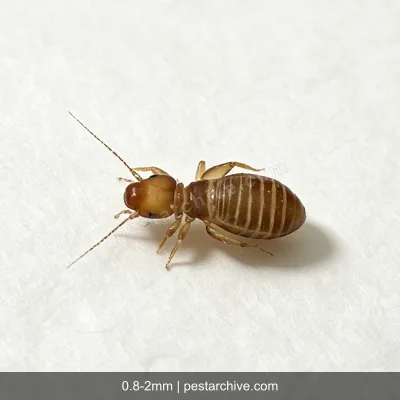
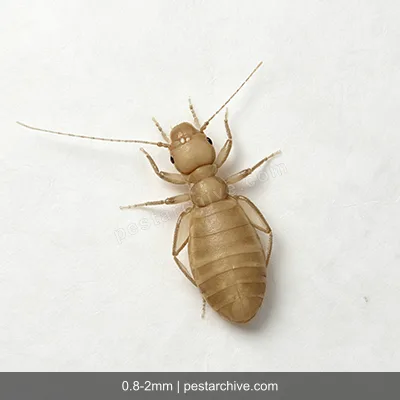
What Are Booklice?
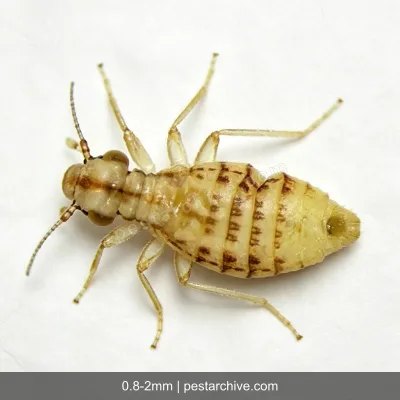
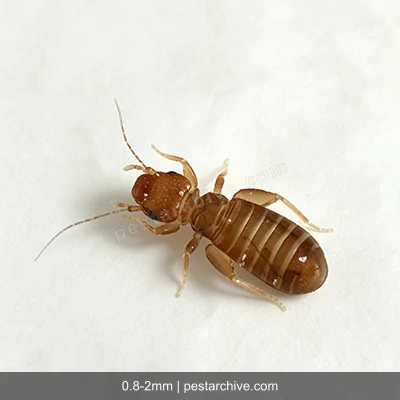
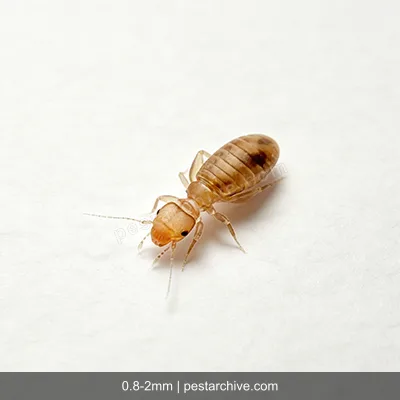
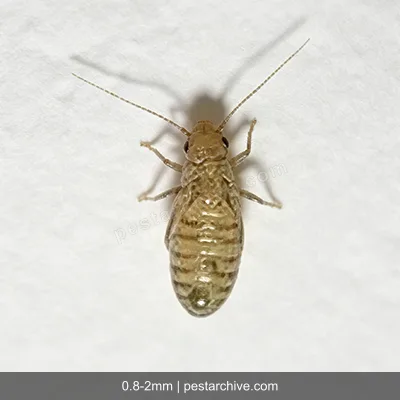
Booklice are tiny insects. Despite the name "lice," they have nothing to do with head lice or pubic lice. Here are their basic characteristics:
Physical Features
- Size: Body length just 1-2mm — smaller than a sesame seed.
- Color: Pale yellowish-white or grayish-white, semi-transparent.
- Body: Soft-bodied, no hard shell. The abdomen is plump.
- Wings: Wingless, cannot fly.
- Antennae: Long and thread-like, longer than the body.
- Movement: Crawl quite fast. They scurry away quickly when disturbed.
Behavior and Habits
- Diet: Mainly eat mold, fungal spores, and starchy glues. Book binding glue, wallpaper paste, and the starch in paper fibers are all food sources.
- Humidity requirement: Extremely dependent on high humidity. They can only survive and reproduce when relative humidity is above 60%. When humidity drops below 50%, booklice dehydrate and die.
- Activity: Active around the clock but avoid light. During the day, they hide in cracks and crevices. They come out to feed when it's dark.
- Reproduction speed: Under ideal conditions (25-30°C, humidity above 70%), they complete a generation in 2-3 weeks. They reproduce fairly quickly.
Why Are They Called "Booklice"?
Booklice got their name because they're often found in old and antique books, feeding on the paste in book spines and mold on the paper. But their diet is broader than the name suggests:
- Behind damp wallpaper in newly renovated homes.
- Damp cardboard boxes and packaging.
- Unsealed cereal, flour, and other dry goods.
- Moldy wood furniture and baseboards.
Booklice Are Not True Lice
Although called "booklice," they belong to the order Psocoptera. True lice (order Phthiraptera) are a completely different group. Booklice don't suck blood, don't parasitize anything, and pose minimal direct harm to humans.
Booklice vs. Flour Mites
Both appear in humid environments, but they're easy to tell apart: booklice crawl faster, have a more elongated body, and are pale yellow — commonly found around old books and cardboard. Flour mites crawl very slowly, have a rounder body, and are grayish-white — commonly found in grain piles.