Are Booklice Harmful to Humans?
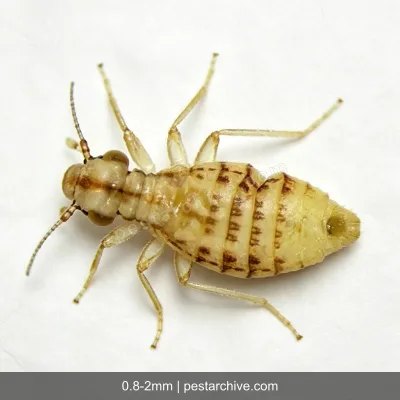
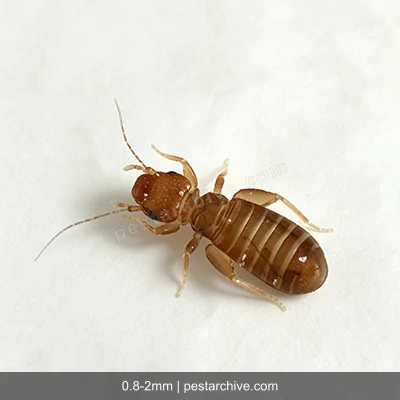
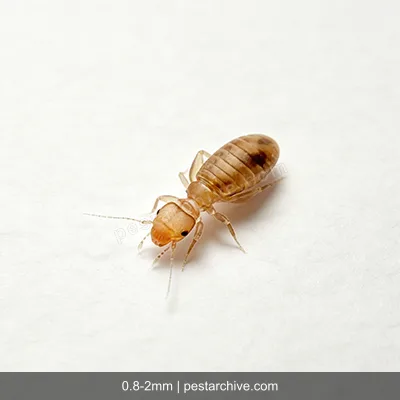
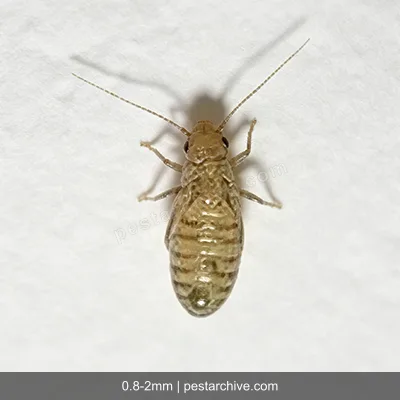
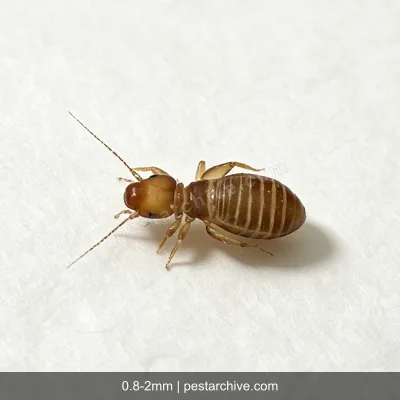
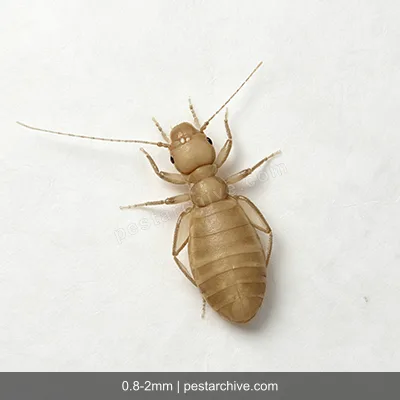
Why Are There Booklice in My House?
There's one reason booklice show up in your home — it's too humid. They don't appear out of nowhere, and they can't fly in from outside (they have no wings).
Humidity Is the Deciding Factor
Booklice depend entirely on high humidity to survive. Their bodies are tiny with a large surface-area-to-volume ratio, so they lose moisture fast. They must absorb water from the air to replenish it. When relative humidity drops below 50%, booklice dehydrate and die. So if you have booklice in your home, it means somewhere has been above 60% humidity for an extended period.
Common Moisture Sources
- Newly renovated homes — Wall paint, wallpaper paste, and moisture in the cement haven't fully dried. Humidity inside the walls is high. Mold grows behind wallpaper, and booklice breed between the wallpaper and the wall.
- Damp cardboard boxes and paper products — Cardboard absorbs moisture and softens. Mold grows on it. Booklice eat the mold and the paper glue.
- Leaks or water seepage — Window leaks, pipe leaks, or exterior wall seepage causing persistent localized dampness.
- Poorly ventilated corners — Behind bookshelves, under wardrobes, under beds — areas with no air circulation. Humidity in these spots is often much higher than in the center of the room.
- Near kitchens or bathrooms — These areas have high humidity. If there are gaps in the adjoining walls, booklice can spread into adjacent rooms.
Don't Rush to Spray When You Find Booklice
Many people's first reaction is to grab a bug spray — but that treats the symptom, not the cause. Spraying kills the booklice you can see, but as long as the humidity problem remains, new booklice (hatching from surviving eggs or crawling in from elsewhere) will keep appearing. Booklice only truly disappear when you find and fix the moisture source.
How to Find the Moisture Source?
Use a hygrometer to measure humidity in different spots. The areas with the highest booklice density are usually the problem spots. Or look for signs like mold, bubbling paint, or peeling wallpaper edges.