Why Do Booklice Keep Coming Back?
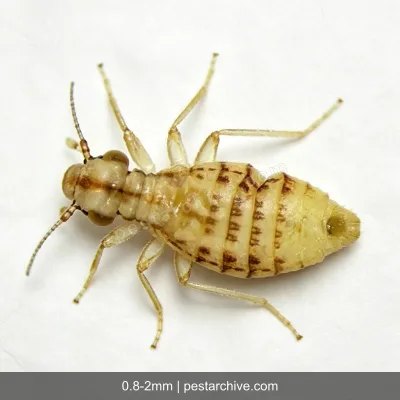
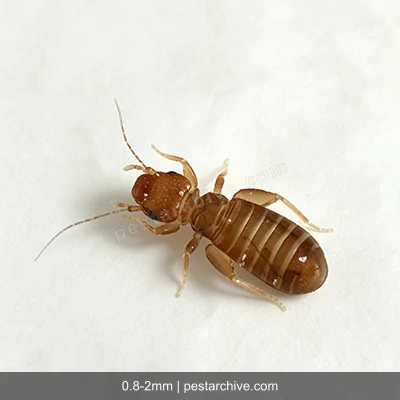
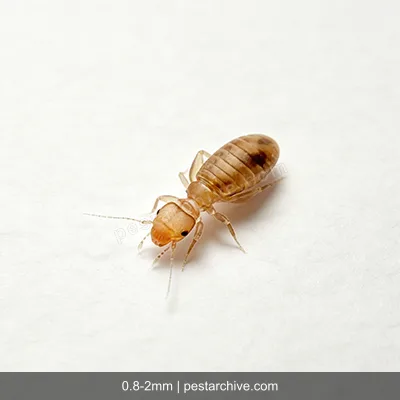
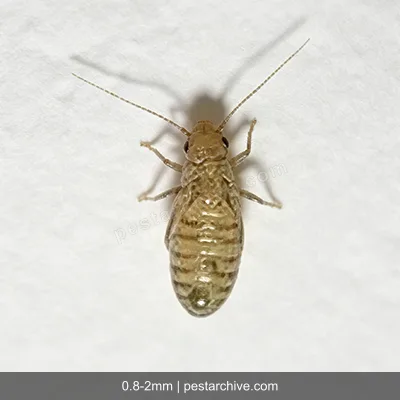
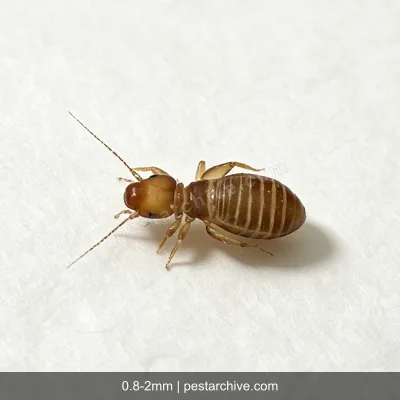
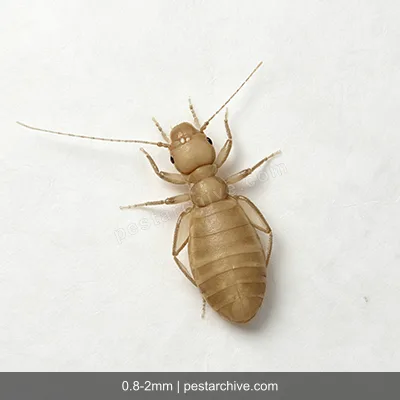
Are Booklice Harmful to Humans?
Booklice pose very little direct harm to human health, but their presence does bring some indirect problems. Understanding these helps you assess the risk correctly.
Health Effects on Humans (Very Low)
- They don't bite — Booklice have chewing mouthparts designed for mold and starchy substances. They can't pierce human skin. They don't feed on blood like mosquitoes or fleas.
- They don't spread disease — Booklice are not disease vectors. They don't feed on human or animal blood or secretions, so they don't transmit diseases through bites.
- Allergy potential — In cases of severe infestation (dozens per square meter, with visible clusters on walls, windowsills, and bookshelves), their shed skins, body fragments, and waste can become airborne. This might cause a small number of allergic individuals to experience sneezing or skin itching. But this is far less common than dust mite allergies and much less impactful.
Damage to Belongings (More Worth Noting)
Booklice don't threaten your health much, but their damage to books, paper collectibles, and home decor is more noteworthy:
- Books — Gnaw on book spine glue and paper fibers, causing pages to loosen and covers to detach.
- Wallpaper — Feed on mold and glue behind wallpaper, causing it to peel and bubble.
- Cardboard boxes and packaging — Damp cardboard gnawed by booklice becomes fragile and crumbles.
- Important documents — Files, photos, and albums left untouched for long periods may have their edges gnawed by booklice.
The Real "Harm" Booklice Signal: An Environmental Alarm
The most important thing booklice tell you isn't about them at all — it's that your home's humidity is too high and you may have a mold problem. Mold itself poses far greater health risks (allergies, respiratory issues) than booklice ever will. So when you see booklice, don't worry about the booklice themselves — worry about the dampness.