Are booklice afraid of dinotefuran-containing household insecticide spray?
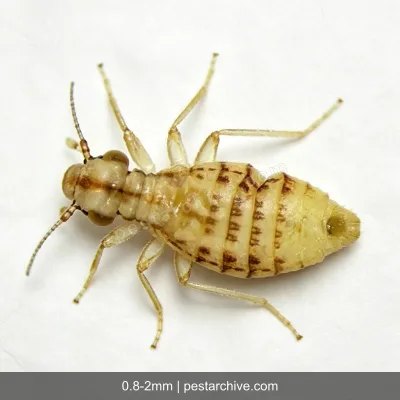
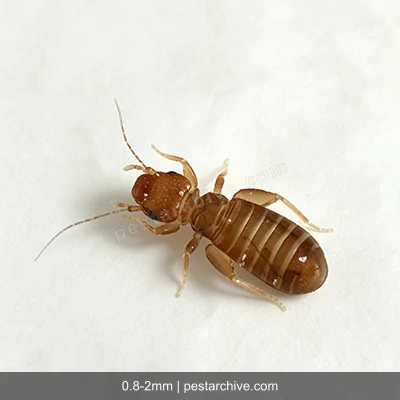
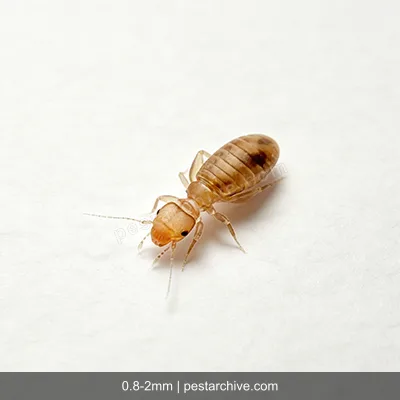
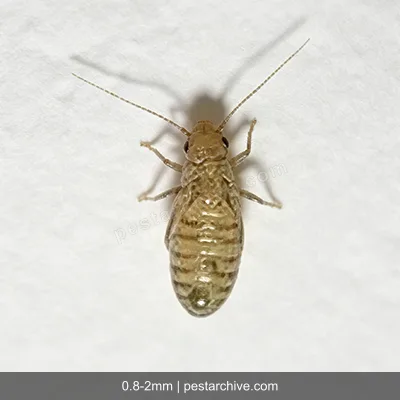
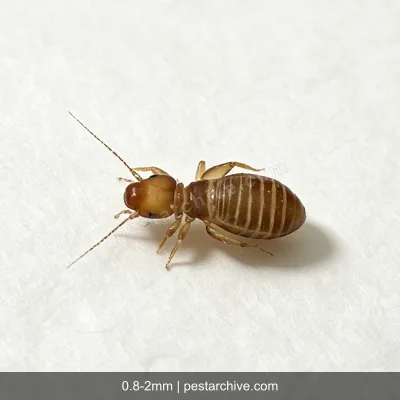
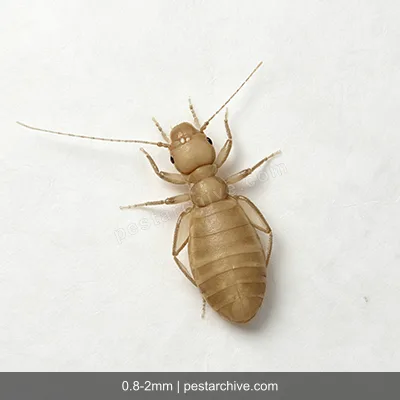
Are booklice afraid of dinotefuran-containing household insecticide spray? Dinotefuran spray is highly effective against booklice, but it must be combined with dehumidification for a complete solution.
Why is dinotefuran effective against booklice?
Booklice have soft bodies and thin cuticles without hard shells, making them very sensitive to contact insecticides. Dinotefuran acts on their nervous system, killing them within hours of contact. Residual spraying on surfaces where booklice crawl provides continuous control for 2-4 weeks.
Suitable spraying locations
- Baseboards and wall edges — booklice crawl along wall-floor junctions.
- Cabinet crevices — shelf joints and back panel gaps in bookcases and wardrobes.
- Window frames — areas near windows with higher humidity.
- Bookcase bottoms and backs — booklice hide in gaps at the bottom of books and between shelves.
- Loose wallpaper edges — gaps between wallpaper and walls.
Application method
- Vacuum booklice and dust first.
- Spray dinotefuran-containing insecticide evenly on dry surfaces.
- Wait for the spray to dry completely (about 1-2 hours).
- Avoid spraying on books, paper, clothing, and food.
- Dehumidify before spraying — use a dehumidifier or air conditioner to reduce humidity below 50%; booklice will naturally die or become sluggish.
Important reminder: dehumidify before spraying
Spraying only kills existing booklice. If humidity remains high, eggs will continue to hatch and new booklice will emerge from crevices. The correct order is:
- Address the moisture problem first — dehumidifier, ventilation, fix leaks.
- Then clean the environment — vacuum, wipe, discard moldy items.
- Finally apply dinotefuran spray — for residual control.