How to eliminate biting midges from the home?
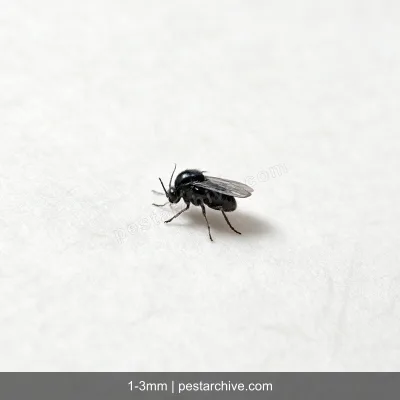
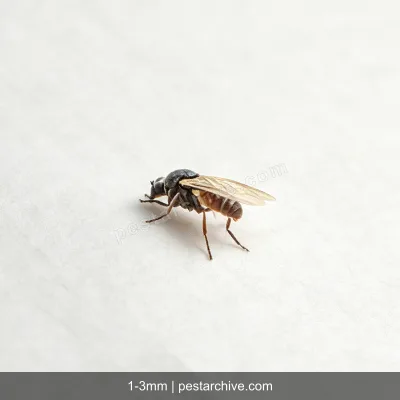
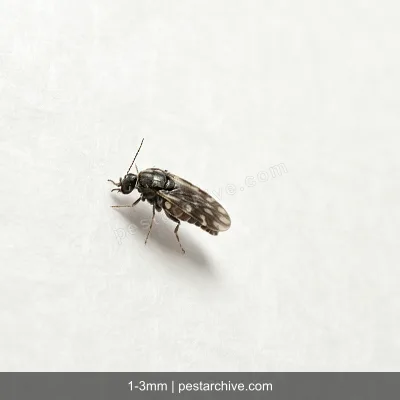
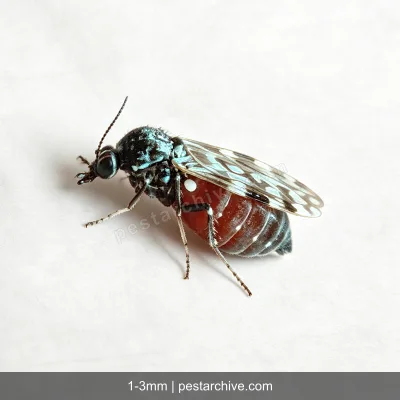
How to eliminate biting midges from the home?
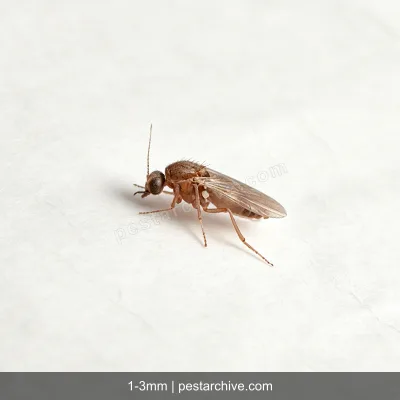
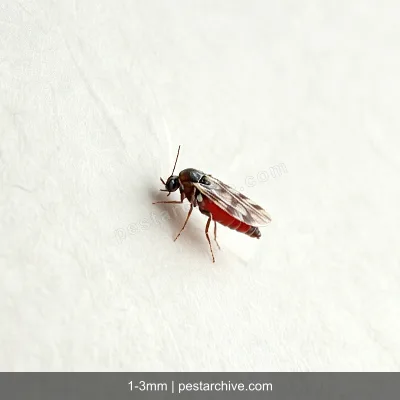
Biting midges (no-see-ums) are extremely small but can pass through window screens and breed in large numbers in damp indoor areas. Eliminating them requires addressing both the source and the adults — keeping things dry is essential for a complete solution.
Step 1: Eliminate breeding environments (fundamental)
Biting midge larvae grow in water or damp organic matter. Removing standing water is the most fundamental control method:
- Check all plant pot trays; empty standing water promptly after watering — do not let water sit for more than 2 days.
- Clear drains; clean hair and grime from floor drains — the buildup on pipe walls is a larval breeding ground.
- Run exhaust fans after using bathrooms and kitchens to keep them dry and reduce indoor humidity.
- Keep garbage bin bottoms dry; dispose of kitchen waste daily, not overnight.
- Check balconies and window sills for containers or dead spaces with standing water.
Step 2: Kill adults (symptomatic)
After environmental cleaning, spray dinotefuran-containing household insecticide on areas where midges frequently rest:
- Wall corners, baseboards, and lower edges of screens — midges like to rest here.
- Around flower pots and window sill corners.
- Drain openings and around floor drains — emergence points for adults.
- Inside and outside of garbage bins.
After spraying, the dried insecticide forms an invisible film; midges that land on it lose activity and die. Residual effect lasts 2-4 weeks.
Step 3: Ongoing prevention
Biting midges have a short breeding cycle (7-14 days). Maintain these habits:
- Keep indoor areas ventilated and dry; midges struggle to breed below 50% humidity.
- Check plant pot trays and floor drains weekly; remove any standing water immediately.
- Reapply dinotefuran-containing insecticide weekly for 2-3 weeks to ensure newly emerged adults are also killed.
- Install fine-mesh screens (40 mesh or finer) — ordinary screens cannot block midges.
As long as the environment remains dry and clean, midges cannot continue breeding, and they will be completely controlled within a short time.