What is the difference between no-see-ums and mosquitoes?
What is the difference between no-see-ums and mosquitoes?
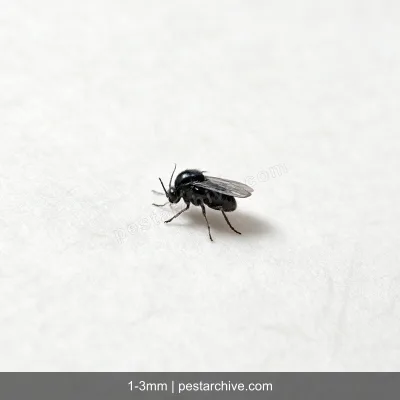
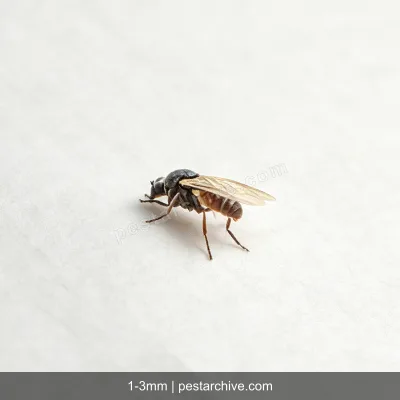
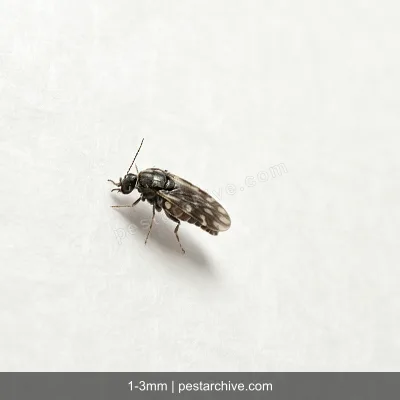
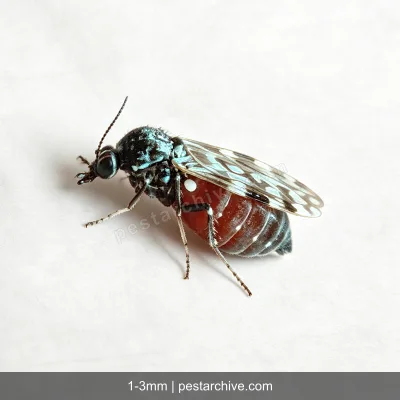
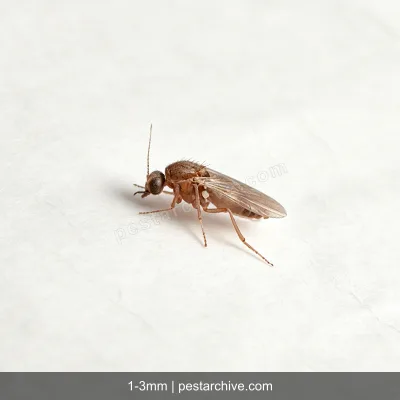
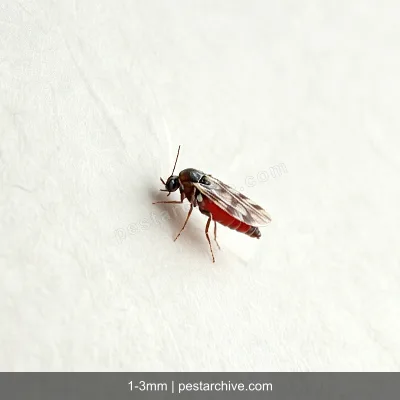
No-see-ums are the common name for biting midges. Although both are small blood-feeding flies, they have distinct differences. Understanding these helps with targeted control and avoiding the wrong methods:
Size difference
- Biting midges (no-see-ums): only 1-3 mm, about the size of a sesame seed, humpbacked, wings broad and short without scales.
- Mosquitoes: 5-15 mm, noticeably larger, with long protruding mouthparts and narrow, scaled wings.
Activity characteristics
- Biting midges: swarm in groups, attacking in large numbers; silent flight.
- Mosquitoes: usually solitary (unless in very high density); produce a buzzing sound in flight.
Bite sensation
- Biting midges: almost no sensation during biting (mouthparts are fine), but afterward, the itch is intense and lasts for days with significant swelling. Midges "slice" the skin to feed, causing greater tissue damage.
- Mosquitoes: a stinging sensation during biting; itching is relatively milder and usually subsides within 1-2 days. Mosquitoes "pierce" the skin to feed, causing a smaller wound.
Activity time
- Biting midges: most active at dawn and dusk; some species are also active during the day.
- Mosquitoes: most species are active at night; they hide in dark places during the day.
Control differences
- Biting midges: ordinary screens cannot block them (they are too small); focus on removing standing water and keeping things dry.
- Mosquitoes: ordinary screens work (they are too large to pass through); focus on removing large containers of standing water and installing screens.
Because biting midges are extremely small, their source is often hard to identify. Spraying dinotefuran-containing household insecticide along walls, window sills, and drain openings, while also removing standing water, is an effective control approach.