How to control biting midges in the garden?
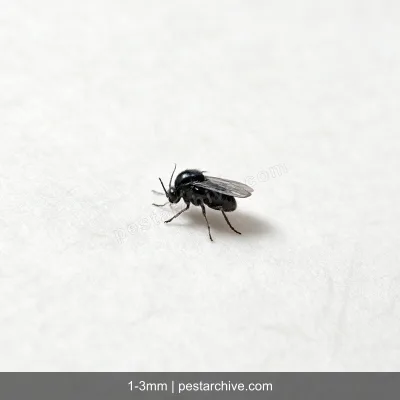
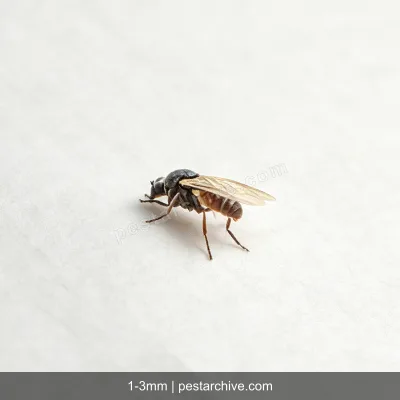
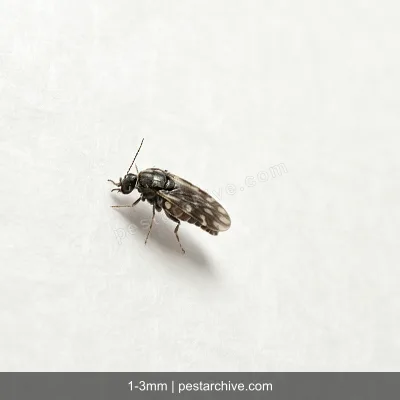
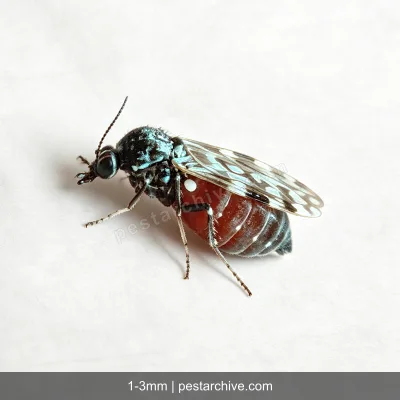
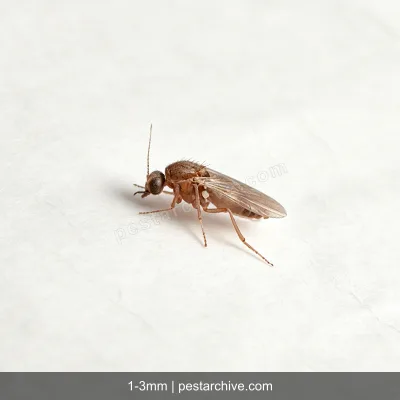
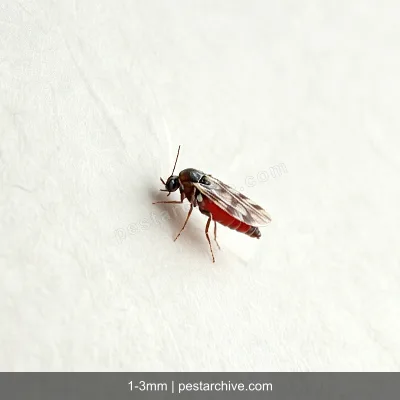
How to control biting midges in the garden?
Garden midges are harder to control than indoors because the breeding area is larger and sources are more numerous. Effective control requires integrated management.
Eliminate breeding environments
- Remove weeds and leaf piles to reduce hiding places.
- Fill in low-lying areas with standing water; clear drainage ditches.
- Turn unused buckets and flower pots upside down to prevent water accumulation.
- Change water in birdbaths frequently — at least weekly.
Reduce attractants
- Midges are most active at dusk; minimize bright lights during this time.
- If outdoor lighting is needed, use warm-yellow lights, which are less attractive to midges than white lights.
- Wear long sleeves and pants when in the garden at dusk.
Chemical control
- Spray dinotefuran-containing household insecticide on grass, under shrubs, and along walls where midges rest.
- Spray at dawn or dusk when midges are most active for best results.
- Spray weekly for 2-3 weeks to significantly reduce midge density.
- Reapply after rain.
Physical barriers
- Plant repellent plants (mint, rosemary, lavender) around garden seating areas.
- Install fine-mesh screens (40 mesh or finer) on garden doors and windows to block midges.
Important note
Garden midges are difficult to eliminate completely because new ones will always fly in from outside. Regular, persistent treatment is key, especially during spring and summer peak breeding seasons.