Do biting midges transmit diseases?
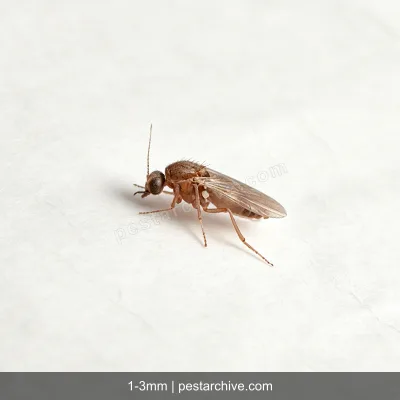
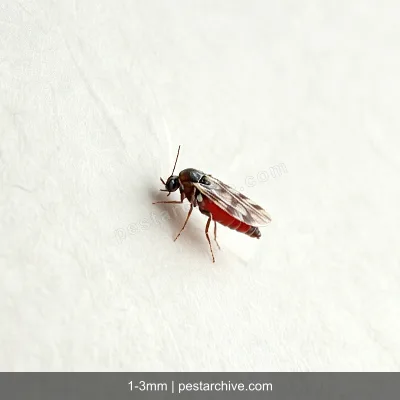
Do biting midges transmit diseases?
Biting midges can theoretically transmit diseases, but in ordinary household environments, the main concern is the intense itching and skin irritation caused by their bites.
Main harm from bites
- Biting midges make tiny wounds in the skin when feeding, injecting saliva to prevent blood clotting.
- The body's allergic reaction to proteins in the saliva causes redness, swelling, and intense itching.
- Scratching can break the skin and lead to infection, potentially developing into dermatitis or cellulitis.
- Itching can last for several days, more severe than mosquito bites, because the proteins in midge saliva are more antigenic, triggering a stronger immune response.
Disease transmission risk
In some tropical and subtropical regions, biting midges do transmit diseases such as filariasis and Oropouche virus. However, in urban Chinese household environments, the risk of such diseases is extremely low — there is no need for excessive concern.
Special issues with midges
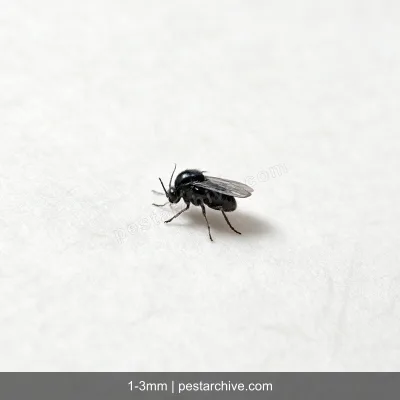
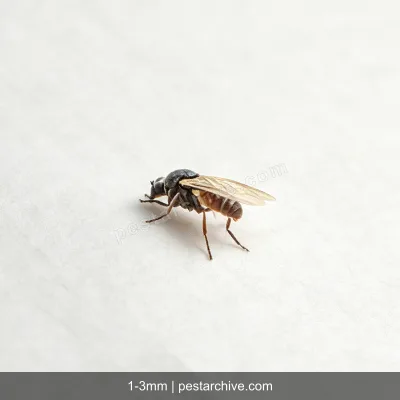
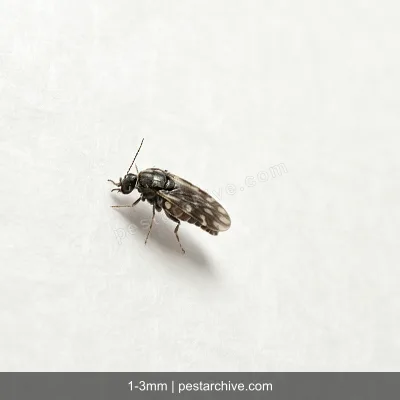
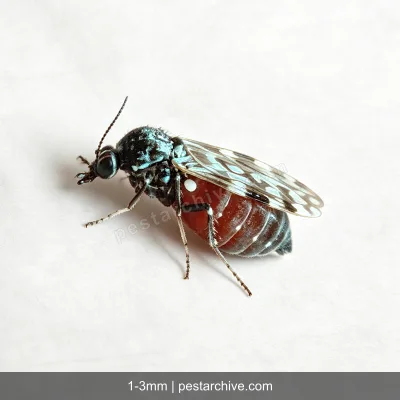
Biting midges are extremely small (1-3 mm) and can pass through ordinary window screens. They also breed in large numbers in damp areas like flower pots and drains. If there is a large infestation, promptly remove standing water and spray dinotefuran-containing household insecticide on corners, window sills, and drain openings.
When to seek medical attention?
If a bite causes extensive swelling, fever, or pus formation, seek medical attention. For itching relief, use calamine lotion or ice packs; avoid scratching.